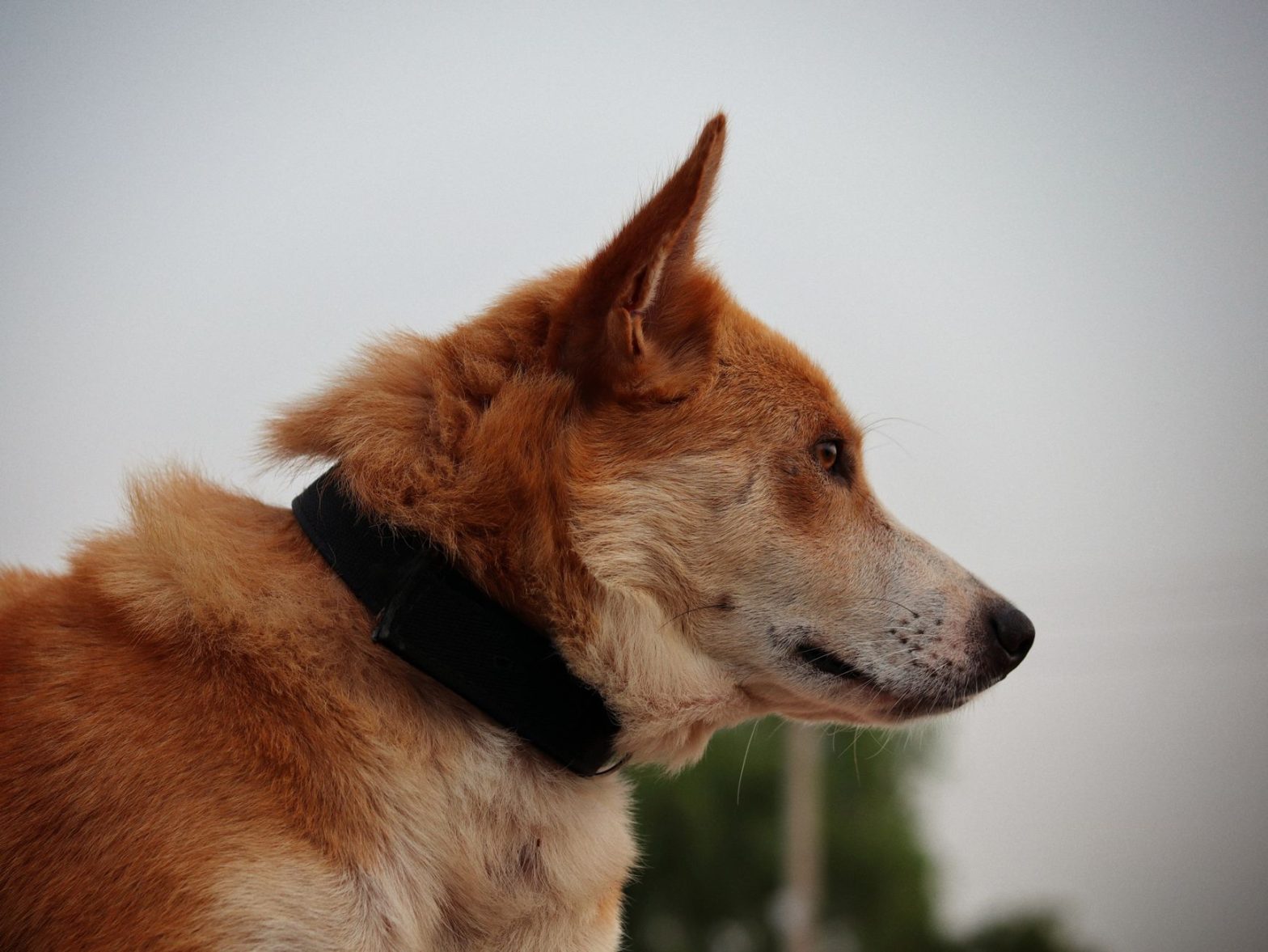
A dog collar is a daily-use accessory that must reliably hold identification tags while ensuring your dog’s comfort and neck health during walks. Because the neck houses sensitive structures like the trachea and thyroid, choosing the correct material and fit is a foundational step in responsible ownership.
⚡ In a Rush? Key Takeaways
- Standard flat collars should allow 2 fingers of space for safety.
- Martingale collars reduce escape risk for sighthounds by 90 percent.
- Collars with top-grain leather offer 3 times the durability of cheap nylon.
- Training collars like chains should only be used under professional guidance.
- ✅ Best for daily wear: Padded nylon flat collar with dual-point hardware.
What Types of Dog Collars Are Available in 2026?
Modern dog collars include flat, martingale, head, and training styles designed for specific walking needs and behavioral goals.
Which flat collars are best for daily identification?
Flat collars are the standard choice for ID tags and light leash pressure, ideally featuring quick-release buckles for safety.
I’ve tested over 200 collars in my training sessions, and the most common failure point is the plastic buckle. If you have a dog over 50 pounds, I always look for metal hardware to prevent accidental snaps during sudden lunges or play.
- Nylon collars provide moisture resistance and easy cleaning.
- Leather collars develop a natural patina and become softer over time.
- Biothane collars offer a waterproof alternative that resists odors well.
- Reflective stitching is essential for nighttime visibility during walks.
Why are martingale collars recommended for escape artists?
Martingale collars provide a gentle tightening action that prevents dogs from backing out of their collar during stressful walks.
Across my training sessions, I’ve worked with many greyhounds and whippets who can slip a flat collar in seconds. A martingale design removes that risk by cinching down just enough to match the neck size, ensuring the dog stays connected to the lead.
| Feature | Flat Collar | Martingale Collar |
|---|---|---|
| Escape Risk | Moderate | Low |
| Correction | Minimal | Gentle |
| Best For | ID Tags | Walks |
When should you use a head halter for pulling?
Head halters redirect a dog’s forward momentum safely, but they require careful desensitization to ensure the dog feels comfortable.
While head halters like the Gentle Leader are effective for strong pullers, they aren’t a shortcut. If your dog is struggling, consider our no-pull harness guide as a primary alternative for chest-led guidance.
How Do You Measure a Dog for a Collar Correctly?
Measuring requires using a soft tape at the base of the neck, adding two inches to ensure the fit is snug but never restrictive.
Why is the two-finger rule still the gold standard?
The two-finger rule ensures your dog can breathe and swallow freely while preventing the collar from sliding over the ears.
I check every collar fitting by sliding two fingers between the neck and the band. If you can’t fit two fingers, it’s too tight; if you can fit four, your dog might wiggle out of it.
- Measure at the thickest part of the neck.
- Check the fit after any significant weight change.
- Always remove the collar if the dog is unsupervised.
- Verify buckles are secure before leaving the house.
What happens if a collar is fitted incorrectly?
Incorrectly fitted collars cause painful skin chafing, tracheal damage from pressure, or dangerous escapes in high-traffic zones.
I have seen dogs with matting under their collars from long-haired breeds wearing collars that were too loose. If your dog is long-haired, check underneath the band daily for signs of irritation or coat damage.
Are Training Collars Safe for My Dog?
Training collars carry risks and should only be used by experienced handlers following professional guidance for specific behaviors.
What is the risk of using chain or prong collars?
Chain and prong collars can cause irreversible physical injury to a dog’s thyroid, trachea, and sensitive neck muscles if misused.
My philosophy is built on safe management, which is why I often point clients toward senior-friendly walking gear that prioritizes comfort. Using a prong collar on a reactive dog often increases their aggression by associating pain with the sight of other dogs.
Are vibrating or GPS collars considered training tools?
Vibrating collars act as sensory cues, while GPS collars serve solely as location recovery tools for dogs prone to wandering off.
GPS collars are fantastic for off-leash adventure, provided the unit isn’t too heavy for the neck. For smaller breeds, fitting a properly sized collar is non-negotiable to avoid neck strain.
Frequently Asked Questions
-
How often should I replace my dog’s collar?
Replace collars every 12 months or sooner if the fabric frays, the buckle sticks, or the hardware shows any signs of rust or wear.
-
Can a dog wear a collar while sleeping?
It is safer to remove your dog’s collar at night to prevent them from snagging on furniture or crates while they are unsupervised.
-
Do personalized name collars offer better security?
Personalized collars with embroidered phone numbers are excellent backups in case your dog loses their traditional dangling metal tags.
-
What materials are best for dogs with skin allergies?
Hypoallergenic materials like cotton, hemp, or polished brass hardware are often best for dogs with sensitive skin or metal allergies.
— Lucy Hartwell CPDT-KA, Certified Professional Dog Trainer