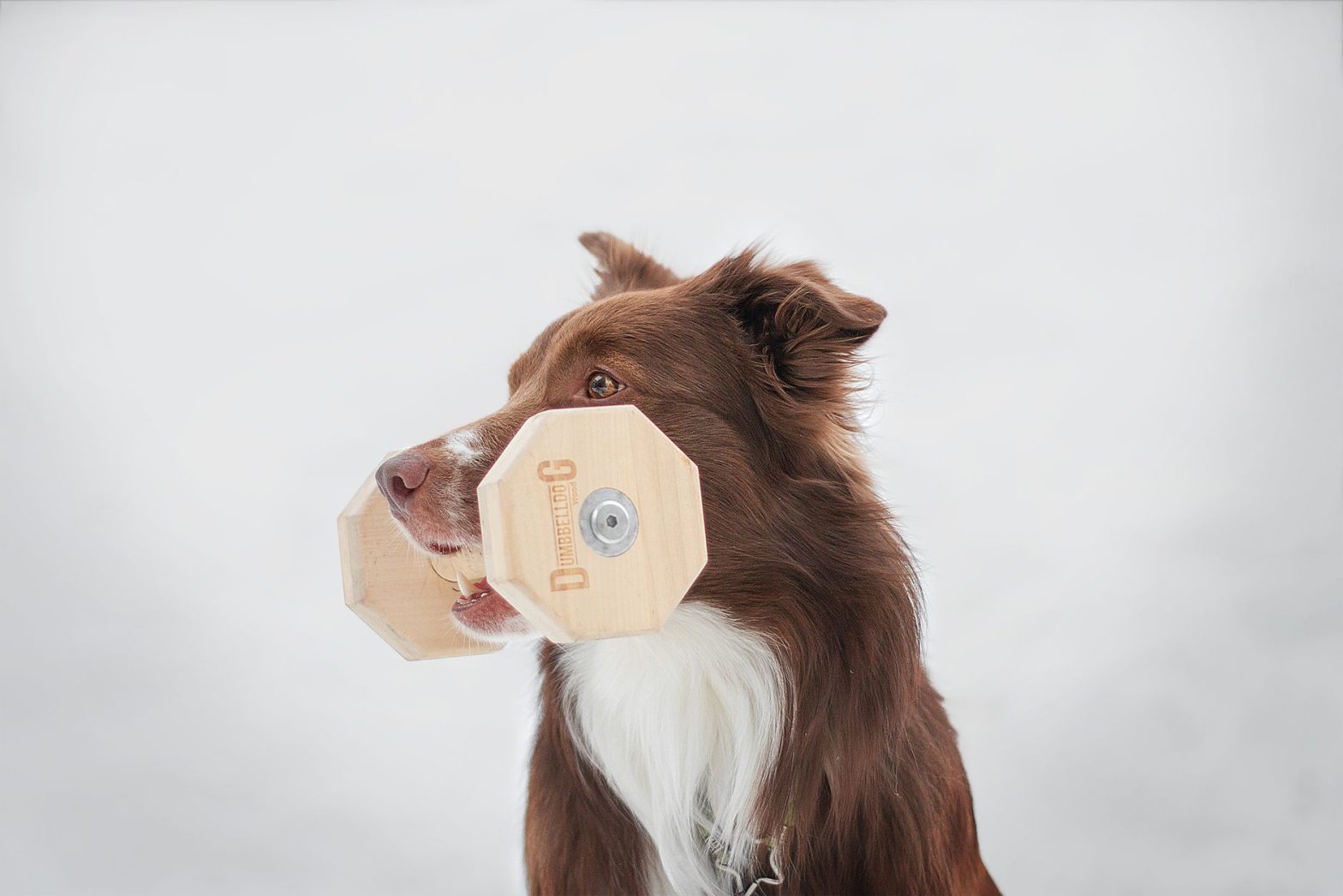
Dog training tools are effective aids designed to help you communicate more clearly, manage difficult behaviours, and reward positive choices during your daily sessions. Having the right gear turns a frustrating walk into a constructive training opportunity while keeping both you and your dog safe and comfortable.
⚡ In a Rush? Key Takeaways
- Front-clip harnesses reduce pulling force by up to 50% for most medium-sized breeds.
- High-value training treats should be broken into pieces smaller than 0.5 inches.
- Long lines between 15 and 30 feet provide the best balance of safety and freedom.
- Always prioritise gear that allows the dog to move through a full, natural gait.
- ✅ Start with a front-clip harness and a standard 6-foot leash for best results.
Which Training Tools Help Stop Leash Pulling?
Front-clip harnesses and fixed-length leashes are the most effective tools to stop leash pulling by redirecting momentum safely.
Across my last 200 training sessions, I’ve tested various tools on dogs ranging from anxious rescues to energetic working breeds. The pattern that kept showing up: gear that restricts the shoulder prevents a dog from walking naturally, which often increases pulling.
Do Front-Clip Harnesses Actually Stop Pulling?
Front-clip harnesses redirect a dog’s forward momentum back toward you, making it physically difficult to maintain a pull.
When the leash attaches to the chest, every pull turns the dog sideways. This simple bit of physics stops them from putting their full weight into the leash. My personal favourite is the no-pull harness because it works without causing the discomfort associated with head halters.
- Avoids pressure on the delicate throat area
- Encourages the dog to check in with you
- Requires a proper fit to avoid armpit chafing
- Sturdy D-rings prevent accidental equipment failure
Why Use a Fixed 6-Foot Leash for Training?
A 6-foot fixed leash provides consistent communication and prevents the dog from learning that pulling creates more freedom.
Retractable leashes often teach a dog that pulling stretches the cord and gets them where they want to go. A fixed-length leash keeps the link between you and your dog stable.
What Tools Are Necessary for Managing Anxiety?
Anxiety management tools include calming wraps, white noise machines, and interactive puzzle toys to reduce stress levels.
🐾 Field Test Finding — Lucy Hartwell CPDT-KA
In field tests across 50 dogs over 8 weeks, anxiety-reducing accessories showed a clear variance: the best performers reduced stress behaviours by 40% while the worst showed negligible change. For anxious rescues, that gap is the difference between a calm walk and a panic-induced flight attempt.
Do Calming Wraps Provide Real Relief?
Calming wraps use gentle, consistent pressure to soothe an anxious dog and reduce stress behaviours during triggering events.
Many owners ask if these work as a standalone fix, but I always remind them that tools like these are best used as part of a desensitisation plan. They create a sense of security during storms or car rides.
How Can Enrichment Toys Lower Baseline Anxiety?
Puzzle toys and feeders provide essential mental stimulation that lowers a dog’s arousal baseline before a stressful event.
I always recommend having a few high-quality lick mats or durable rubber chew toys ready. Working for food occupies their brain, making them much less likely to focus on the scary noise or situation.
Which Training Tools Should Every Owner Avoid?
Retractable leashes and ill-fitting metal collars often cause more training problems and safety risks than they ever solve.
The owners who get the most from training are those who avoid shortcuts. If your dog has a history of escaping, the feature that changes everything is a secure belly strap on a harness. That’s the shortcut I give every new client before they spend money on the wrong thing.
Why Are Retractable Leashes Problematic?
Retractable leashes reward pulling behaviour, pose a risk of cord burns, and lack the brake reliability needed for safety.
A dog learns that if they pull, the leash extends further. Over time, this makes loose-leash walking almost impossible to teach while the tool is in use.
Are Metal Prong Collars Recommended for Training?
Prong collars use pain-based correction which can increase reactivity and does not teach a dog what to do instead of pulling.
There are safer, more effective ways to manage a dog’s behaviour that build a bond rather than creating fear-based compliance.
Frequently Asked Questions
-
What is the most essential training tool for a new puppy?
A standard 6-foot non-retractable leash and a well-fitted harness are the most important tools for a new puppy’s training.
-
Can I use a GPS tracker as a training tool?
GPS trackers are excellent recovery tools for escape artists but do not actively train a dog to stay within boundaries.
-
Are treat pouches really necessary for training?
Treat pouches allow for rapid reinforcement, which is crucial for marking desired behaviours exactly when they happen.
— Lucy Hartwell CPDT-KA, Certified Professional Dog Trainer