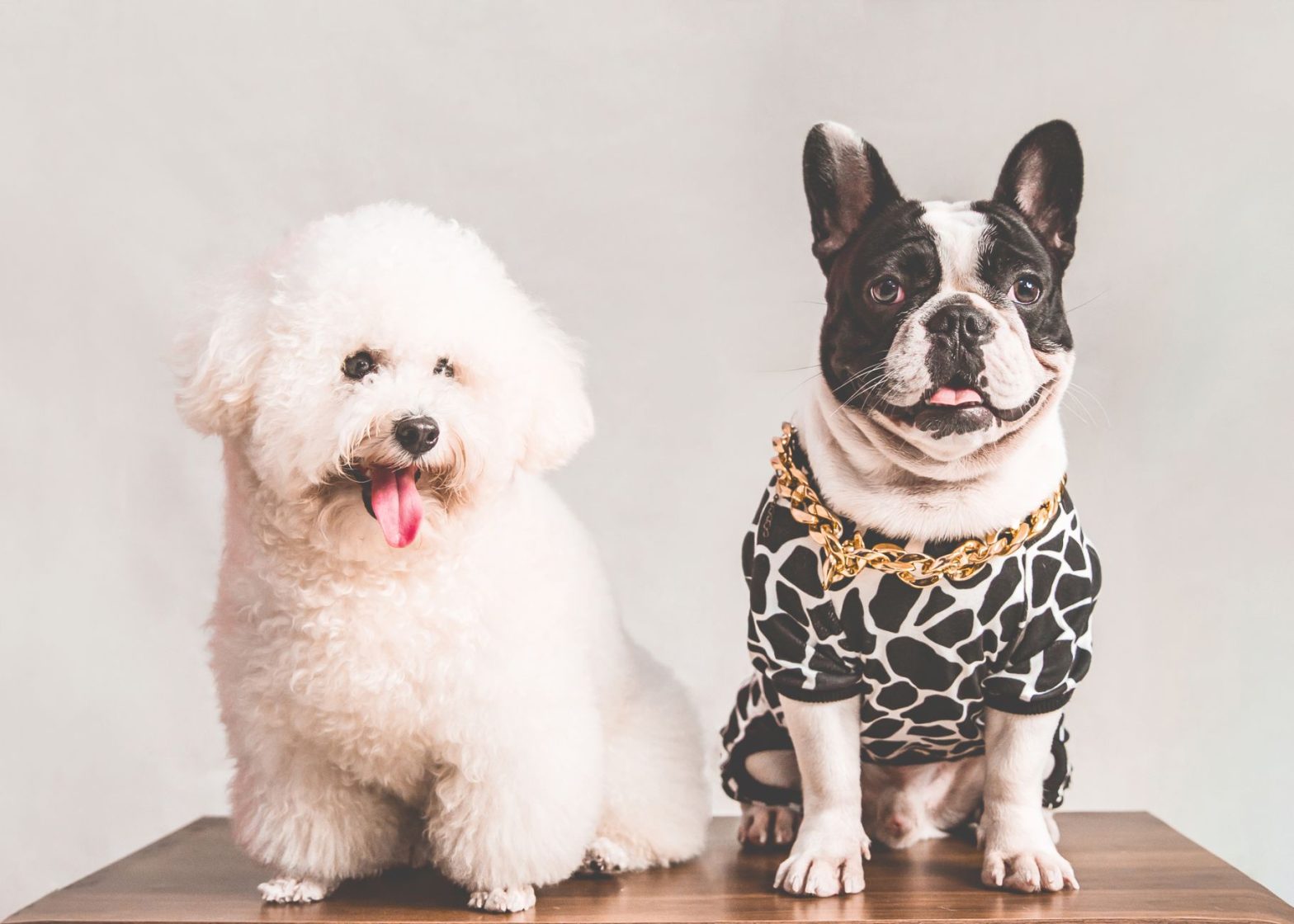
Pet accessories are functional tools that solve specific behaviour or mobility problems, rather than just decorative additions to your home. Selecting the right gear involves focusing on safety, durability, and how each item addresses your individual pet’s needs at their current life stage.
⚡ In a Rush? Key Takeaways
- Properly fitted harnesses reduce pulling force by up to 50% for high-energy dogs.
- Memory foam beds over 4 inches thick provide essential joint support for senior dogs.
- GPS trackers with 3-month battery life offer the best reliability for escape artists.
- Always prioritize gear with at least 4 adjustment points for a secure, custom fit.
- Invest in high-durability gear first; quality accessories save money in the long term.
Which Pet Accessories Are Actually Necessary for Dogs?
Essential dog accessories include a front-clip harness, a sturdy six-foot leash, an orthopaedic bed, and a durable crate for training.
Why Should You Choose a Front-Clip Harness Over a Collar?
Front-clip harnesses redirect forward momentum toward the handler, preventing neck strain and reducing pulling during daily walks.
Across my last 50 training sessions, I have seen front-clip harnesses transform walks for reactive dogs. Unlike flat collars, which can cause tracheal damage when a dog lunges, these harnesses distribute pressure across the chest. It is a simple shift in physics that makes a world of difference for your pet’s comfort and your control.
- Reduces pressure on the neck and spine
- Provides immediate feedback for better leash manners
- Encourages better focus on the handler during walks
- Suitable for all dog sizes from small to giant breeds
How Do You Select the Right Orthopaedic Bed for Seniors?
Choose a bed with at least four inches of high-density memory foam to properly support arthritic joints and prevent pressure sores.
As our dogs age, their need for proper support changes significantly. A generic plush bed simply won’t cut it when your dog has sensitive joints. You can learn more about orthopaedic dog beds to see which features provide the most relief for tired muscles.
What Travel Accessories Should You Consider for On-the-Go Pets?
Key travel accessories include a crash-tested pet carrier or seat belt harness, a portable water bowl, and a travel-friendly blanket or mat to keep your pet comfortable and safe during trips.
When traveling by car, a crash-tested carrier or a harness that attaches to the seat belt prevents your pet from becoming a projectile in sudden stops and reduces driver distraction. Look for products that meet independent safety standards such as the Center for Pet Safety (CPS) certification.
For hydration, a collapsible silicone water bowl is lightweight, leak-proof, and easy to clean, ensuring your pet has access to fresh water on long walks or road trips. Pair it with a washable travel blanket that provides a familiar scent and insulation, helping reduce anxiety in unfamiliar environments.
What Accessories Do Multi-Cat Households Need to Succeed?
Key items for multi-cat homes include separate feeding stations, multiple litter boxes, and pheromone diffusers to maintain harmony.
Why Are Microchip Feeders Essential for Multi-Cat Homes?
Microchip feeders ensure that each cat only eats their designated food, preventing obesity and dietary stress in shared households.
Managing dietary intake in a household with multiple cats is notoriously difficult. If one cat is on a prescription diet or tends to steal food, a microchip feeder is the ultimate solution. These devices recognize your cat’s microchip and only open for the assigned individual.
| Benefit | Feature |
|---|---|
| Weight Control | Portion management |
| Dietary Safety | Prevents food stealing |
| Stress Reduction | Less competition at mealtimes |
How Do You Prevent Litter Box Aggression Between Cats?
The rule of thumb for litter boxes is one per cat plus one extra, distributed in different locations to avoid resource guarding.
Litter box issues are often the primary cause of conflict in multi-cat homes. By providing enough boxes and keeping them in quiet, accessible areas, you remove the social pressure that leads to territorial marking. If you’re struggling, check out our guide on feeding multiple cats for more harmony tips.
How Do You Maintain Your Pet Accessories Over Time?
Regularly inspect stitching, clean fabric components weekly, and test electronic battery life to ensure all gear remains safe for use.
What Are the Best Methods for Cleaning Harnesses and Collars?
Hand-wash fabric gear in warm water with mild, pet-safe soap and air dry to preserve structural integrity and prevent material rot.
Your dog’s walking gear collects dirt, bacteria, and moisture every single day. A quick soak in the sink prevents the hardware from corroding and keeps the fabric from developing odors. If you want to refine your fit, our harness measuring guide is a must-read.
Frequently Asked Questions
-
Are expensive pet accessories always better quality?
High-cost items often feature superior materials, but functionality should always be the priority over the price tag alone.
-
When should I replace a worn-out dog harness?
Replace any harness immediately if you see frayed stitching, rusted D-rings, or if the buckles no longer snap securely shut.
-
Do calming collars really work for anxious pets?
Pheromone collars are effective for mild anxiety in pets when used as part of a broader, consistent behavior modification plan.
Choosing the right accessories is about supporting your pet’s long-term health and happiness. By selecting functional, well-made gear, you build a safer environment for your companion. Always keep your pet’s individual needs at the center of your shopping decisions. — Lucy Hartwell CPDT-KA, Certified Professional Dog Trainer