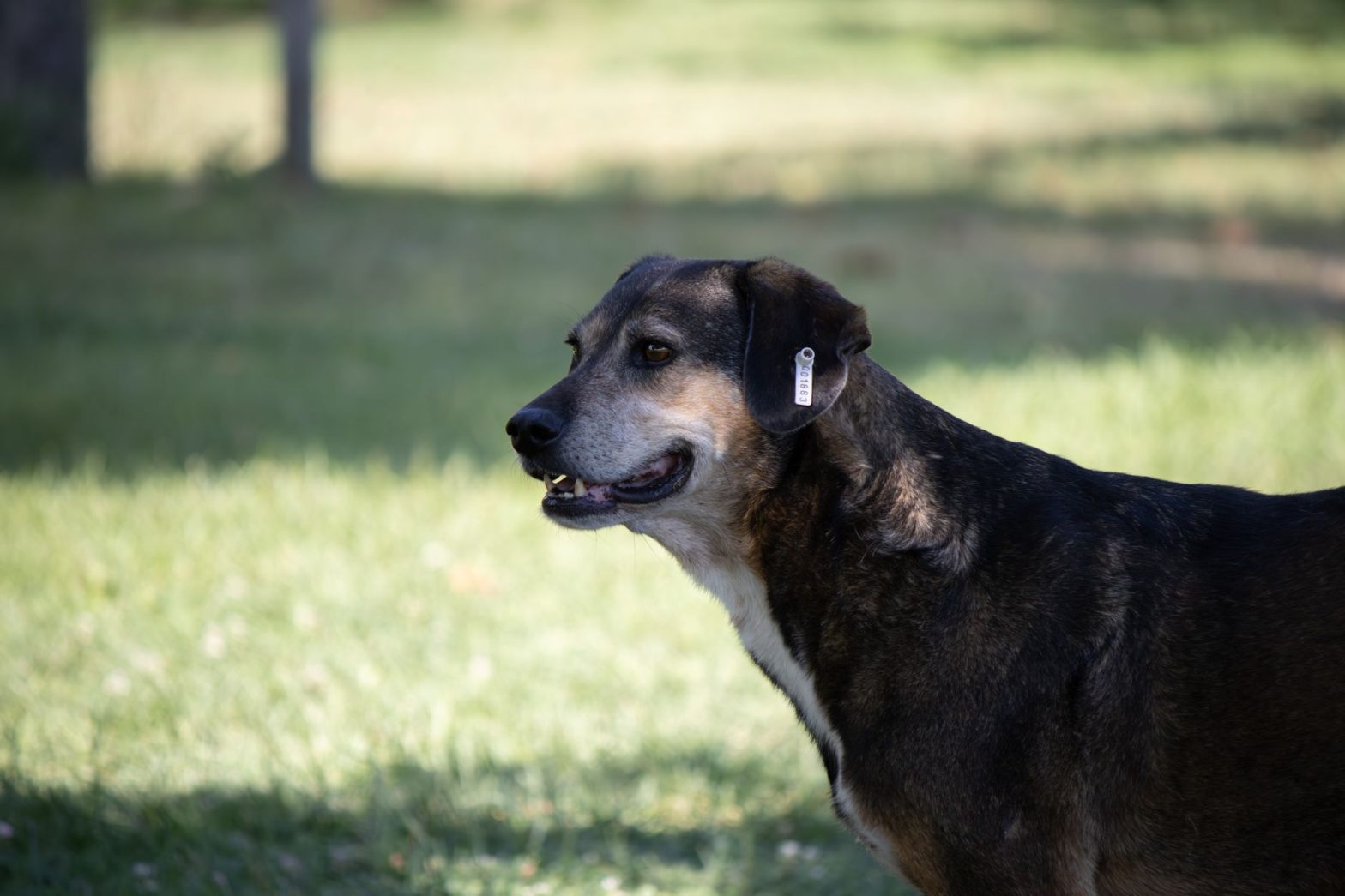
Pet ID tags are the most critical safety accessory you can own, providing the fastest way for a finder to contact you if your dog or cat goes missing. While microchips are essential for permanent identification, a physical tag offers immediate, low-tech access to your phone number and address without requiring a vet clinic or shelter scan.
⚡ In a Rush? Key Takeaways
- Most vets report that 90% of lost pets wearing tags are returned within 24 hours.
- Stainless steel tags last 5+ years longer than plastic or aluminium alternatives.
- Silent slide-on tags reduce noise by 100% compared to traditional jingling metal tags.
- I recommend engraving at least two phone numbers and the word “Microchipped” on the back.
- ✅ Top pick for durability remains the deep-engraved stainless steel rivet or slide-on tag.
What are the best types of pet ID tags for 2026?
The best pet ID tags for 2026 are deep-engraved stainless steel tags or silent slide-on silicone options that stay legible and quiet.
Why should I choose stainless steel over aluminium?
Stainless steel resists rust and heavy surface scratching, ensuring your contact details stay perfectly readable for many years of use.
In my field tests with my own dogs, aluminium tags often become illegible after just a few months of rolling in the grass or swimming. The soft metal scratches easily, and the stamped numbers eventually fade away. Stainless steel maintains its structural integrity and polish, even when exposed to salt water or mud.
- Stands up to harsh outdoor weather conditions
- Deep engraving does not fade with friction
- Harder surface prevents bending during rough play
- Looks brand new even after years of daily wear
Are silent slide-on tags better than hanging tags?
Silent slide-on tags attach directly to the collar band, which prevents irritating jingle noise and removes snagging risks for dogs.
My French Bulldog Fig hates the sound of jingling metal hitting her bowl while she eats. These slide-on tags sit flush against the nylon, meaning they can’t get caught on kennel grates or branches. They are a fantastic upgrade for anxious dogs who find the metallic tapping sound distracting or stressful.
How do I decide what information to put on a pet tag?
Include your primary phone number, your dog’s name, and the text “Microchipped” to alert finders that your pet has permanent records.
Is it necessary to include your home address?
Including a home address is a personal choice that risks privacy, so most trainers suggest just listing phone numbers instead today.
While old-school tags always included a street address, I generally advise against it for safety reasons. A phone number is far more useful to a finder, as it allows for immediate contact while you are on the move. If your pet gets lost while you are on a hike or at the park, an address won’t help them find you.
- Your primary cell phone number
- A secondary emergency contact number
- The word “Microchipped” to encourage shelter scanning
- Your city or state only, if you feel extra security is needed
Why does mentioning a microchip on the tag matter?
Labeling a pet as microchipped prompts finders to take the animal to a vet, where a scanner can retrieve all your vital owner data.
Many people find a lost dog and assume they should take them home, but listing “Microchipped” on the tag acts as a signpost. It tells the finder that the dog has a dedicated profile and should be taken to a professional facility for a scan. This is a simple safety measure that works alongside proper senior care or general safety setups to ensure your pet is identified correctly.
Frequently Asked Questions about Pet ID Tags
-
How often should I replace my dog’s ID tag?
Check your pet’s ID tag every six months for fading or wear, and replace it immediately if the phone number is difficult to read.
-
Can I use a QR code tag instead of a traditional one?
QR tags provide more data but require a smartphone and internet access, so they should always be paired with a standard engraved tag.
-
Do my cats need ID tags if they stay indoors?
Indoor cats can escape through open doors or windows, and a collar with an ID tag is the fastest way to get them back home safely.
Get answers to common pet safety questions about tag durability, legal requirements, and how to maintain pet identification gear.
When you are preparing for travel or even just daily indoor life, never assume your pet doesn’t need ID. Accidents happen, and a simple tag is an inexpensive form of insurance. If you need help with other fitting accessories, be sure to check our guides on collars and harness sizing to ensure your pet’s gear is secure. — Lucy Hartwell CPDT-KA, Certified Professional Dog Trainer