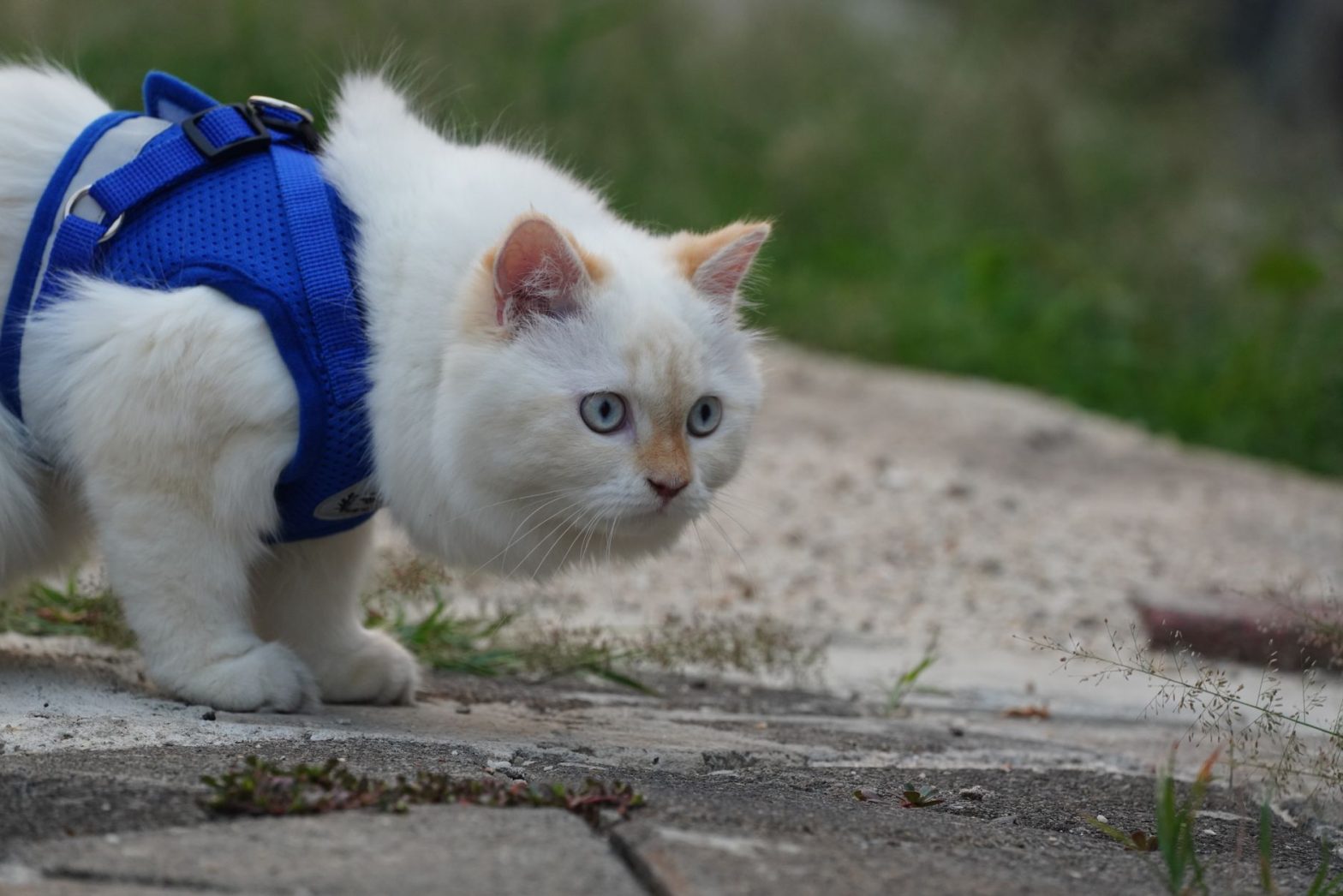
Cat safety gear includes GPS trackers, break-away collars, secure harnesses, and window screens designed to prevent accidental escape and protect cats from common environmental hazards. Selecting the right equipment depends entirely on your cat’s activity level and whether they live primarily indoors or require supervised outdoor time.
⚡ In a Rush? Key Takeaways
- GPS trackers offer location accuracy within 2 to 10 meters for peace of mind.
- Break-away collars are essential, as 95% of standard collars pose a strangulation risk.
- Secure harnesses should be tested for at least 15 minutes in a safe indoor area.
- Always consult your vet before adding wearables to a senior cat’s daily routine.
- The best overall safety investment for indoor cats remains secure window guards.
Which Types of GPS Trackers Keep Cats Safe?
Cat GPS trackers use cellular or radio frequency signals to provide real-time location data, with most models weighing under 30 grams.
How Do Cellular GPS Trackers Perform in Real Time?
Cellular GPS trackers update locations every 2 to 10 seconds, making them the most reliable choice for fast-moving or roaming cats.
These devices use existing mobile networks to ping your cat’s location directly to your phone. I have found that they provide the best coverage in suburban and urban areas where cellular signals are robust.
- Requires a monthly subscription fee, typically ranging from $5 to $15.
- Battery life usually lasts between 3 to 7 days depending on usage.
- Weight must be monitored to ensure it does not cause spinal discomfort.
Are Radio Frequency Trackers Better for Rural Safety?
Radio frequency trackers operate without cellular networks, offering a 1 to 3 mile range ideal for cats in remote or rural locations.
While these lack the infinite range of cellular models, they do not require monthly fees. They are often lighter, which makes them a great option for smaller cats who might find bulky cellular units bothersome.
| Feature | Cellular Tracker | Radio Tracker |
|---|---|---|
| Range | Unlimited | 1-3 Miles |
| Subscription | Required | None |
| Battery | 3-7 Days | 2-4 Weeks |
How to Choose a Secure Harness for Cats?
The ideal cat harness features a vest-style design with at least four adjustment points to prevent the cat from backing out quickly.
What Makes a Harness Truly Escape-Proof?
Escape-proof harnesses use dual-layer closures or belly straps to ensure that the cat cannot wiggle out during a sudden startle.
You want to ensure the neck and chest straps fit snugly but still allow two fingers to slide underneath. I always recommend testing the harness indoors for a week before heading outside to build your cat’s confidence.
- Look for durable, high-density nylon or breathable mesh materials.
- Ensure hardware consists of reinforced buckles, not just simple velcro.
- Always pair a harness with a cat travel harness guide to verify fit.
Should You Use a Harness for Senior Cats?
Senior cats require lightweight, soft-mesh harnesses that distribute pressure evenly across the chest rather than the delicate neck.
Mobility-impaired cats benefit from designs that do not require pulling over the head. You can find more advice on aging pet comfort in our senior cat care resources.
How to Prevent Indoor Hazards with Safety Gear?
Indoor safety gear includes window screens, balcony guards, and microchip-controlled feeders that keep cats secure and healthy.
Why Do Indoor Cats Need Window Protection?
Window safety guards prevent high-rise syndrome and accidental falls, which remain a top reason for emergency veterinary visits.
Standard screens often pop out under pressure. Investing in reinforced steel mesh guards ensures your cat can safely view the outdoors without the risk of an unintended exit.
How Can Multi-Cat Households Manage Feeding Safety?
Microchip-enabled feeders ensure that individual cats only access their prescribed diets, preventing competition and food aggression.
If you have cats with different nutritional needs, check our guide on managing multi-cat households. These feeders provide a stress-free environment for every cat in your home.
Frequently Asked Questions
-
Is a break-away collar necessary for indoor cats?
Yes, break-away collars are essential because they release if a cat gets caught, preventing serious strangulation or neck injury.
-
Do cats need identification tags in addition to microchips?
Yes, a tag with your current phone number provides immediate contact information for neighbors or finders without requiring a scanner.
-
How long should a cat wear a safety harness?
Harnesses should only be worn during supervised outdoor time or training sessions, not as a permanent or 24/7 accessory at home.
— Lucy Hartwell CPDT-KA, Certified Professional Dog Trainer
What Travel Safety Gear Keeps Cats Safe on the Road?
Crash-tested carriers and harnesses protect cats during car rides by preventing ejection and reducing injury in sudden stops.
When traveling by car, a secure carrier that meets veterinary crash‑test standards keeps your cat contained and reduces the risk of becoming a projectile in an accident. Look for carriers labeled as “crash‑tested” or that have passed the Center for Pet Safety (CPS) evaluations.
A properly fitted harness attached to a seat‑belt tether can also be used for cats that tolerate harnesses, but the harness must be designed to distribute force across the chest and never attach to the neck. Always test the harness‑tether combination on a short drive before longer trips.
- Choose carriers with reinforced walls, ample ventilation, and a secure locking door.
- Harnesses for travel should have a wide, padded chest plate and a metal D‑ring for the tether.
- Never leave a cat unattended in a carrier on a seat; secure it with the vehicle’s seat belt or ISOFIX anchors.