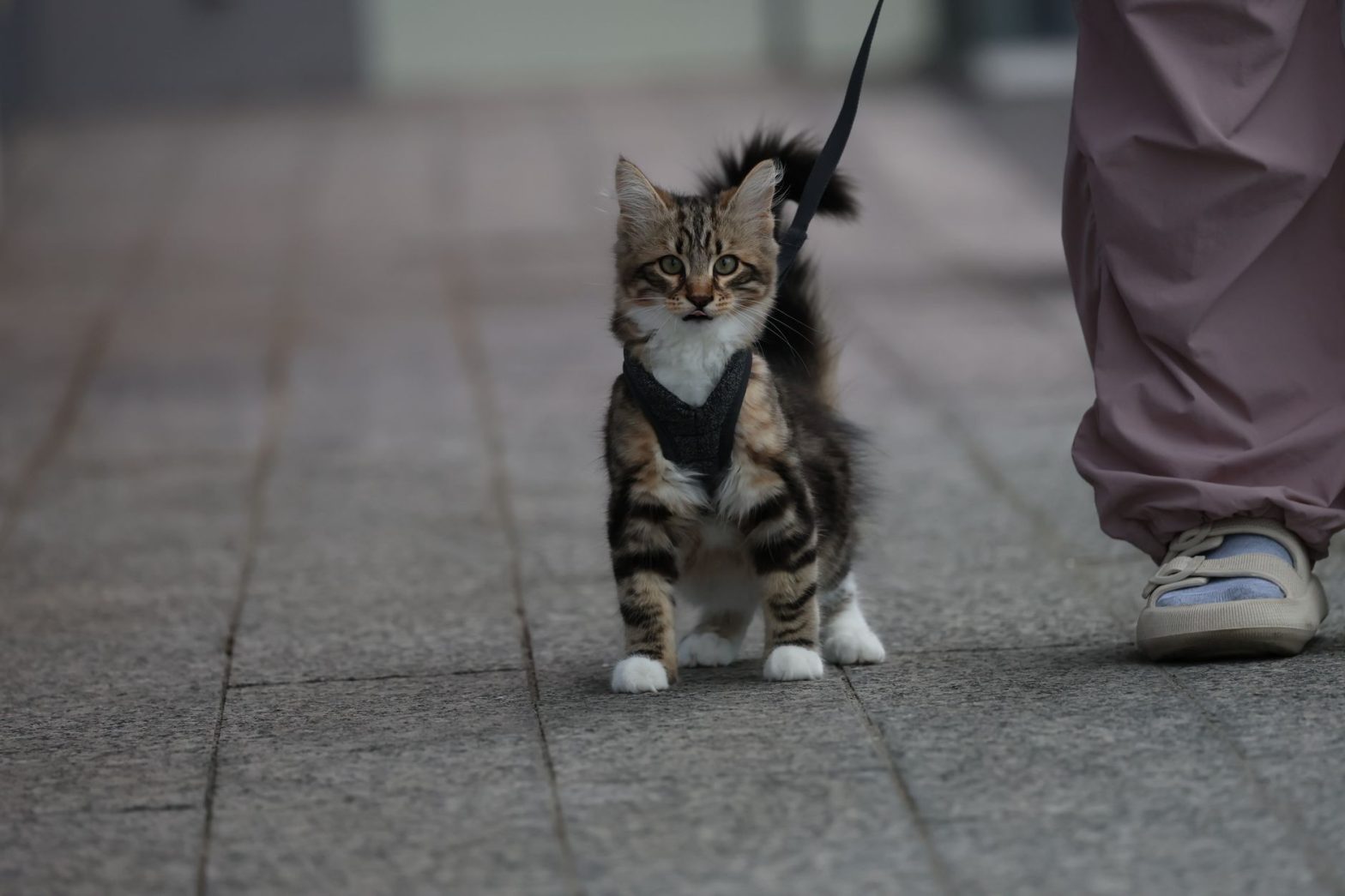
The best cat harnesses for 2026 offer a secure, H-style or vest-style fit that prevents escape while keeping your cat comfortable during outdoor walks. Properly fitted gear is the difference between a fun outing and a frantic, dangerous situation where your cat slips out of their equipment.
⚡ In a Rush? Key Takeaways
- Most cats require 2 to 4 weeks of indoor practice before their first outdoor walk.
- Over 75% of escape-proof accidents occur because the harness neck strap was too loose.
- Vest-style harnesses distribute pressure across 3 different chest points for safety.
- Always ensure you can fit 2 fingers under the strap to prevent breathing restriction.
- The top-rated pick for 2026 is the Rabbitgoo Cat Harness for its 4-point adjustment.
Which Cat Harness Is Truly Escape-Proof?
An escape-proof cat harness features a secure belly strap and a chest plate design that prevents a cat from backing out of the gear.
What makes a harness difficult for cats to escape?
Escape-proof designs use a dual-point attachment system where both the neck and the belly straps are snug but allow for movement.
I have seen many cats wiggle backward out of standard flat-strap harnesses in seconds. A secure design uses a wider chest plate, which acts as a physical barrier against the cat’s shoulder blades when they try to reverse.
When selecting a model, look for these features:
- Dual buckles that secure both neck and ribcage areas
- Breathable mesh material to prevent overheating
- Sturdy D-rings that won’t pull apart under tension
- Reflective strips for visibility during evening outings
How do I measure my cat for the perfect fit?
Measure your cat’s girth just behind the front legs and the base of the neck using a soft tape measure for the best harness fit.
Most harness returns happen because of poor fit, not poor design. I always suggest adding two fingers of width between the cat and the tape measure to ensure they can breathe easily while moving.
For more details on sizing, check out my harness sizing calculator to double-check your measurements before purchase.
How Do I Train My Cat to Wear a Harness?
Train your cat by introducing the harness indoors, letting them wear it for short periods before attaching a leash for movement.
Why is indoor-only training so important?
Indoor training builds positive associations with the gear, ensuring your cat feels confident before facing scary outdoor sights.
Never take a cat outdoors for the first time with a brand new harness. They need time to process the sensation of the fabric on their fur without the pressure of outdoor sounds and smells.
Follow these training steps:
- Place the harness near their feeding area for two days.
- Let them wear the harness indoors for 5-minute sessions.
- Attach a light lead and let them drag it inside to get used to the weight.
- Provide high-value treats every time the harness goes on.
What should I do if my cat freezes in the harness?
If your cat freezes, play with their favorite toy or offer a treat to encourage them to move and associate gear with excitement.
This is a normal behavior; many cats interpret the pressure of the harness as a predator grabbing their scruff. Most will recover within ten minutes of movement, especially if you lead them toward a cat enrichment area filled with their favorite toys.
Is Outdoor Walking Always Safe for My Cat?
Outdoor walking is safe if you are in a quiet, low-traffic environment and your cat shows zero interest in bolting toward danger.
When should I choose a carrier instead?
Choose a carrier if your cat is easily startled by loud noises or if you plan to travel through busy urban or crowded areas.
If you need help selecting a safe way to transport your cat, my guide to best cat carriers for anxious cats covers models that keep them enclosed and secure. Some cats prefer the view from a backpack carrier over walking on a lead.
What gear do I need for a full outdoor adventure?
Bring a lightweight lead, a backup collar with ID, water, and a portable dish for a successful outdoor adventure with your feline.
| Gear Item | Purpose |
|---|---|
| Reflective Leash | Added safety for low-light |
| Portable ID Tag | Crucial if they break free |
| Small Treats | Keeps the cat focused on you |
Frequently Asked Questions
-
Can my cat wear a dog harness instead?
Dogs have different shoulder structures and chest shapes, so standard dog harnesses are usually too bulky and uncomfortable for cats.
-
How often should I replace a cat harness?
Replace your harness every 12 months or if you notice any fraying, loose stitching, or buckles that no longer click securely shut.
-
What if my cat hates the harness?
If your cat truly hates the harness, stop forcing them and consider a pet stroller or a cat backpack to enjoy the outdoors safely.
Common cat harness questions involve sizing accuracy, safety during travel, and how to prevent cats from slipping out of gear.
— Lucy Hartwell CPDT-KA, Certified Professional Dog Trainer