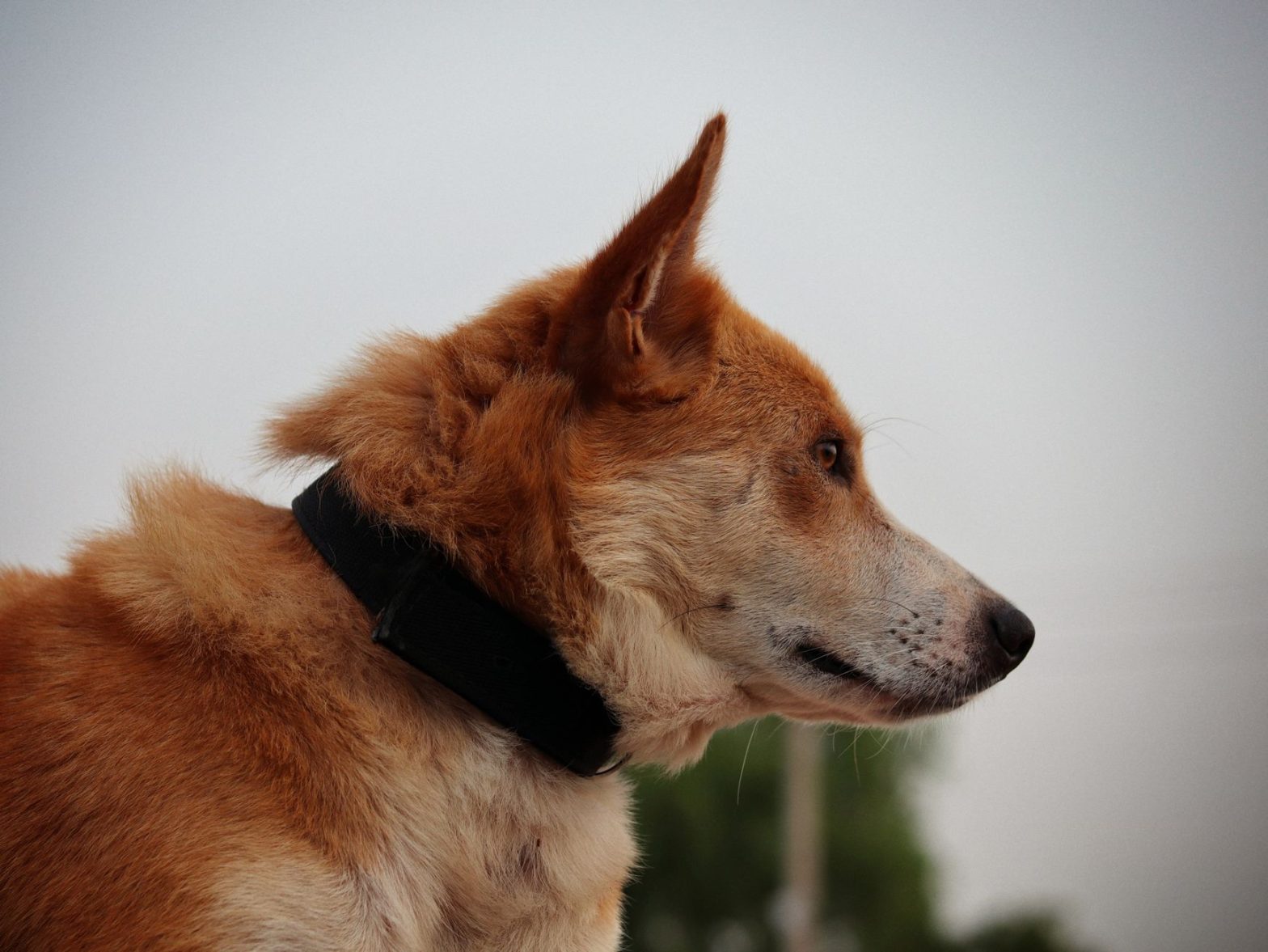
A dog collar is a mandatory piece of gear for daily management, identification, and safety, serving as the primary attachment point for your dog’s tags and leash. Whether you have an active hiker, a puppy in training, or a senior dog with specific comfort needs, selecting the right collar ensures your dog remains secure and comfortable during every outing.
⚡ In a Rush? Key Takeaways
- Standard flat collars should allow exactly 2 fingers of space for safety.
- Martingale collars reduce escape risk for dogs with necks wider than heads by 90%.
- Nylon collars provide the best durability, often lasting 24 months with daily wear.
- Leather options offer superior comfort for 8+ hour wear but require regular conditioning.
- Always prioritize a collar with reflective stitching if you walk in low-light conditions.
How Do You Choose the Right Collar Type for Your Dog?
Choosing a collar depends on your dog’s breed, neck anatomy, training progress, and specific lifestyle requirements for safety.
Which Collar Type Best Prevents Your Dog from Escaping?
Martingale collars prevent escape by tightening slightly when tension is applied, making them ideal for sighthounds and terriers.
I have spent years working with dogs that are experts at backing out of standard flat collars. If you own a Greyhound, Whippet, or even a determined Beagle, a martingale collar is a game-changer. These collars sit loosely until your dog pulls, then gently tighten to create a secure fit that prevents slipping.
Are Flat Collars Always the Best Option for Daily Use?
Flat collars are perfect for dogs that do not pull and just need a secure way to carry identification tags during the day.
For my own dogs, a simple, durable nylon flat collar is my go-to for hanging identification tags. It is low-profile and keeps ID info easily accessible if they ever get lost. Just make sure to check the buckle mechanism for signs of wear every few months, especially if your dog is a swimmer.
What Material Works Best for Your Dog’s Specific Needs?
Material choice affects durability, comfort, and ease of cleaning for dogs ranging from mud-loving hikers to sensitive seniors.
Why Choose Leather Collars for Long-Term Comfort?
Leather collars provide a soft, natural fit that molds to your dog’s neck shape over time for maximum comfort during all-day wear.
Leather is a classic choice for a reason, as it softens significantly with age and use. If your dog has a short coat or sensitive skin, high-quality rolled leather can prevent the chafing sometimes caused by synthetic straps. Keep in mind that leather requires periodic cleaning and conditioning to stay supple and odor-free.
Is Synthetic or Biothane Better for Muddy Adventures?
Biothane is the top choice for wet, muddy dogs because it is waterproof, antimicrobial, and wipes clean in mere seconds easily.
If your dog loves the hiking trails, stay away from fabric collars that soak up water and hold onto swampy odors. Biothane materials have become my absolute favorite for outdoor adventures because they do not absorb moisture. They remain lightweight even when soaking wet and don’t require the maintenance that leather does.
How Can You Ensure Your Dog’s Collar Fits Safely?
Correct collar fitting prevents injury, ensures maximum comfort, and keeps your dog from slipping out during daily walks outside.
What Is the Standard Two-Finger Rule for Fitting?
The two-finger rule ensures your dog’s collar is tight enough to prevent escape but loose enough to avoid restricting their breathing.
When I teach clients how to fit a collar, I always start with the two-finger check. You should be able to slide two fingers comfortably between the collar and your dog’s neck. If you can fit more, it is too loose; if you struggle, it is too tight and needs adjustment.
How Often Should You Check Your Growing Dog’s Fit?
Puppies grow rapidly, so check their collar fit every week to ensure it does not become a choking hazard or cause skin irritation.
I cannot stress this enough: check the fit of your puppy’s collar frequently. A growth spurt can turn a comfortable collar into a dangerous one within days. If you find yourself adjusting the collar constantly, it is time to upgrade to a larger size to accommodate their development properly.
Frequently Asked Questions
-
Should a dog wear a collar inside the house?
Many trainers recommend removing collars indoors to prevent accidental snagging on furniture, vents, or crates when alone.
-
Can collars cause neck injuries in dogs?
Collars can cause injury if they are too tight or if a dog pulls excessively against them, leading to tracheal or muscle damage.
-
How do I choose the right size?
Always measure the thickest part of your dog’s neck with a soft tape measure and add two inches for the ideal collar fit.
— Lucy Hartwell CPDT-KA, Certified Professional Dog Trainer