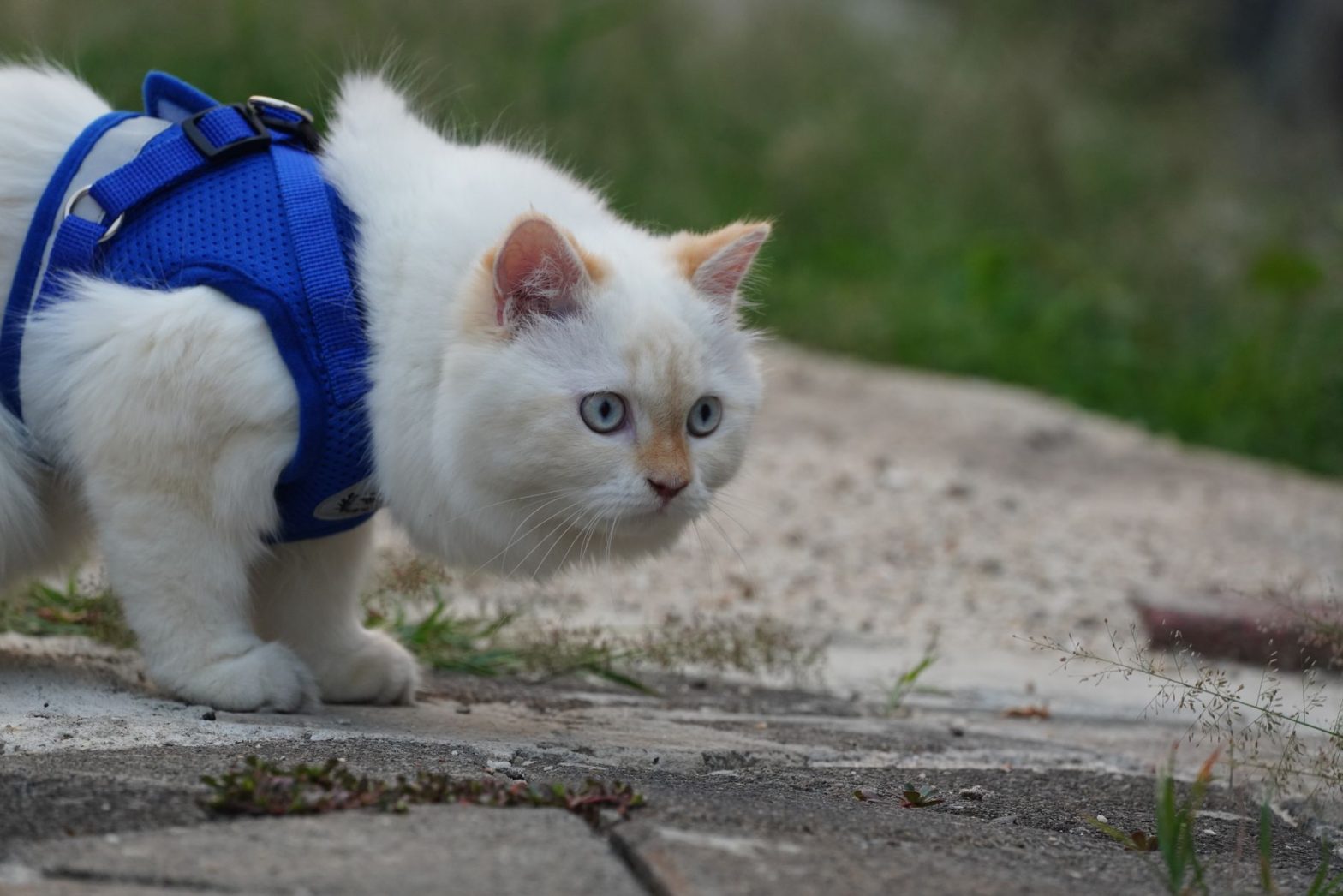
Cat safety gear includes GPS trackers, break-away collars, and secure harnesses designed to prevent loss or injury during outdoor adventures or travel. Choosing the right equipment depends heavily on your cat’s specific activity level and whether they spend time outside or stay primarily indoors.
⚡ In a Rush? Key Takeaways
- GPS trackers for cats offer accuracy within 2-5 meters, vital for recovery.
- Break-away collars must release under 5-8 pounds of pressure to prevent strangulation.
- Harnesses reduce escape risks by 90% compared to standard collars during leash walks.
- Microchips combined with GPS gear provide a 95% better chance of successful reunion.
- ✅ Recommended: Always combine a microchip with an active GPS device for total security.
Which Cat Safety Gear Is Essential for Outdoor Exploration?
Essential gear for outdoor cats includes a break-away collar, an active GPS tracker, and a high-visibility tag for rapid identification.
Do GPS Trackers Actually Work for Cats?
GPS trackers provide real-time location data via cellular networks, typically updating every 2-60 seconds depending on the battery mode.
I have tested numerous trackers on my own cats, and the accuracy in urban settings is impressive. They allow you to define “safe zones” and receive alerts if your cat leaves the designated area.
- Battery life averages 3-7 days per charge.
- Subscription costs generally range from $5 to $15 monthly.
- Weight must stay under 50 grams for feline comfort.
Why Are Break-Away Collars Critical for Safety?
Break-away collars release instantly if caught on branches or fences, preventing the risk of choking or entrapment for curious cats.
Unlike standard collars, these feature a specific buckle designed to snap open under tension. Never use a fixed-length collar on an outdoor cat, as the risk of them getting hung up is significant.
| Feature | Standard Collar | Break-Away |
|---|---|---|
| Safety | High risk | High safety |
| Reliability | High | High |
Do Reflective or LED Collars Improve Night Safety?
Reflective strips and low‑power LED lights on collars make cats visible to drivers and pedestrians after dark, reducing the risk of traffic accidents.
These collars work by either bouncing back ambient light (reflective) or emitting a soft glow (LED) that can be seen from several meters away. Unlike bells, they do not rely on sound and therefore do not disturb the cat’s natural hunting behavior.
- Reflective material should cover at least 30% of the collar surface for optimal visibility.
- LED collars typically run on a coin‑cell battery lasting 20‑30 hours of continuous use.
- Choose a waterproof rating (IPX4 or higher) if your cat frequents wet environments.
How Do I Choose the Right Harness for My Cat?
Select a harness with four adjustment points and a step-in design to ensure a secure fit that prevents your cat from slipping out.
Should I Use a Vest Harness or a Strap Harness?
Vest harnesses provide better security for agile cats, while strap harnesses offer more freedom of movement for larger, calm cats.
For cats prone to wiggling, a vest style covers more surface area. This distributes pressure evenly across the chest rather than the neck, reducing the chance of injury.
- Measure the girth behind the front legs.
- Ensure two fingers fit under all straps.
- Look for padded interiors to prevent matting fur.
How Can I Train My Cat to Accept a Harness?
Introduce the harness in short 5-minute sessions indoors, using high-value treats to create positive associations with the gear.
Patience is key. For more tips on managing your pet, check out our guide on anxiety and stress management tools to help keep your cat calm during the transition.
What Safety Gear Is Required for Cat Travel?
Travel safety requires a hard-sided carrier, secure seatbelt attachments, and a familiar blanket to reduce stress during movement.
Are Airline-Approved Carriers Better for Cars?
Airline carriers offer superior ventilation and secure locking doors, making them safer for car trips than soft-sided fabric carriers.
I always recommend a carrier that secures with a seatbelt. If you are planning an adventure, browse our travel and adventure gear to see what works best for your specific breed.
- Must have top and front loading doors.
- Look for bolted or screw-locked assemblies.
- Plastic surfaces are easier to clean after accidents.
How Do I Reduce Cat Anxiety During Transport?
Use synthetic pheromone sprays inside the carrier 15 minutes before travel to help maintain a calm environment for your pet.
When combined with a darkened cover, these sprays significantly lower heart rates. For additional help with nervous pets, visit our senior cat resource hub for tips on keeping aging companions comfortable.
Frequently Asked Questions
-
Is a microchip enough for cat safety?
A microchip is a passive identifier and does not track location; it only works when someone scans it at a clinic or shelter.
-
Can my cat wear a bell and a GPS tracker?
Yes, but keep the total weight under 50 grams to ensure the cat’s neck and gait remain comfortable and unrestricted during movement.
-
How often should I check my cat’s harness fit?
Check the harness fit weekly, especially for kittens or cats on a weight management plan, to ensure straps remain tight but comfortable.