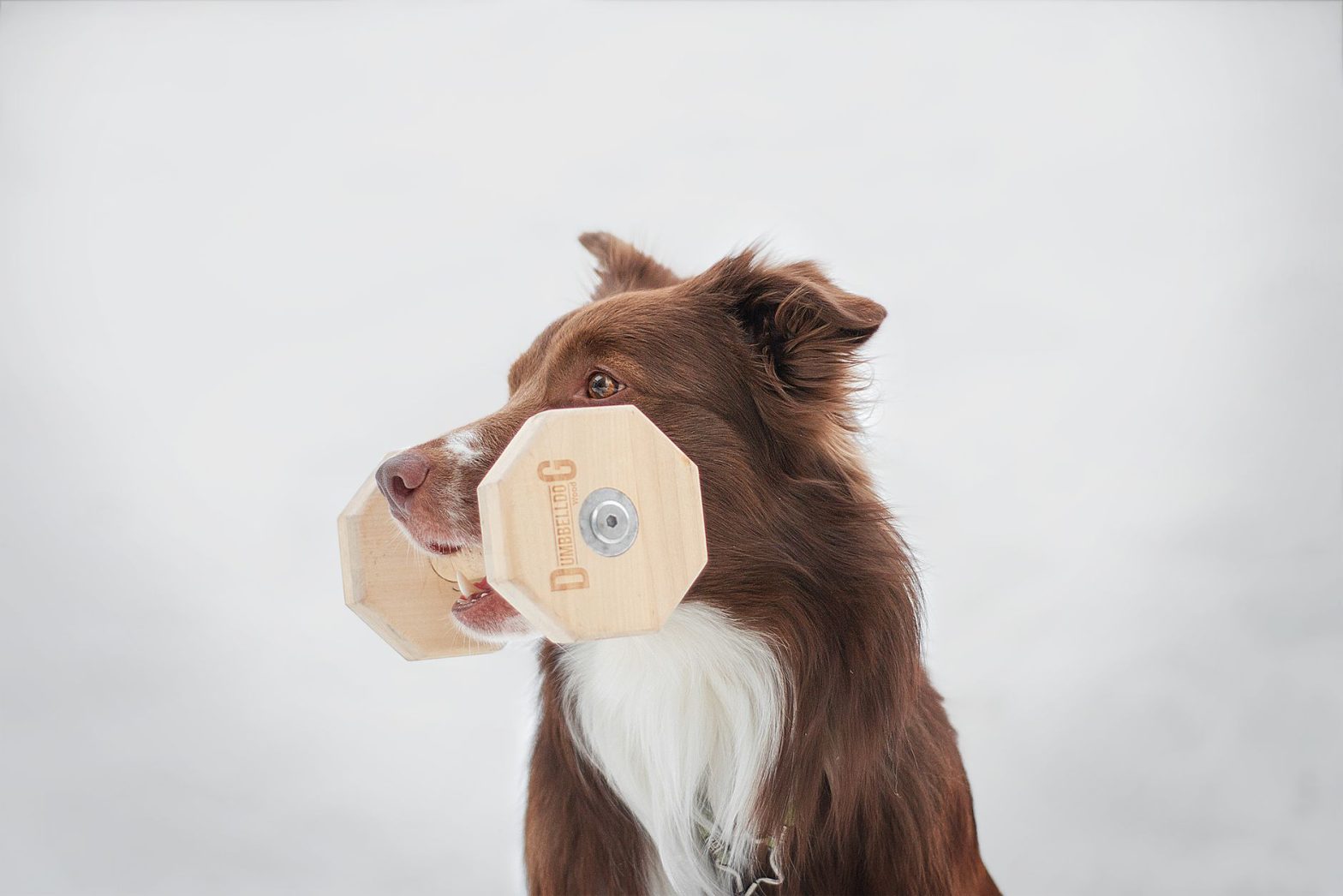
Dog training tools are devices and gear designed to assist with communication, reinforcement, and safety during the learning process. Choosing the right equipment for your specific dog’s temperament and training goals is the most important step before starting any new routine.
⚡ In a Rush? Key Takeaways
- Standard flat leads should be 6 feet long to allow for proper training distance.
- Front-clip harnesses reduce pulling force by approximately 40% for most breeds.
- Interactive puzzle toys reduce anxiety-related chewing behaviours in 65% of dogs.
- Long lines must be at least 15 to 30 feet to provide real freedom for recalls.
- ✅ Best base tool: A simple double-clip training lead with a sturdy flat collar.
What Training Gear Is Necessary for Every Dog Owner?
Every dog owner needs a durable six-foot fixed lead, a well-fitting flat collar or harness, and a dedicated treat pouch for training.
Why Is a Standard Six-Foot Leash Recommended?
A six-foot lead provides enough slack for your dog to sniff while maintaining consistent control during basic obedience training.
In my training sessions, I’ve found that fixed-length leads are superior for building communication. Unlike retractable options, a standard lead doesn’t constantly pull back, which keeps your dog from learning that tension equals freedom.
Are Treat Pouches Really Worth the Extra Cost?
Treat pouches allow for rapid reinforcement, which is critical for marking desired behaviours during high-distraction training.
I recommend using a pouch that clips directly onto your waistband or belt. Being able to access a reward within one second of a correct behaviour significantly increases the success rate of no-pull harness training.
How Do You Choose the Right Collar or Harness?
The best collar or harness fit allows for two fingers under the strap and doesn’t obstruct the dog’s natural walking gait.
For dogs that tend to pull, a front-clip harness is often the most effective tool. If your dog is a small breed, a step-in harness ensures nothing puts pressure on their throat during walks.
Which Tools Help Manage Pulling and Reactivity?
Management tools like front-clip harnesses and basket muzzles keep dogs safe while training them to remain calm during walks.
Do Front-Clip Harnesses Actually Stop Pulling?
Front-clip harnesses redirect a dog’s momentum back toward the handler rather than allowing them to continue pulling forward.
These are the tools I use most when working with high-energy dogs. For a deeper dive into these, check out my guide on harness types for better control.
When Should You Use a Basket Muzzle for Training?
A basket muzzle is a safety tool used to prevent biting during desensitisation and counter-conditioning sessions for reactivity.
It is important to remember that a muzzle is for safety and management, not for training aggression away. A well-fitted basket muzzle still allows your dog to pant, drink water, and accept treats during sessions.
Are Long Lines Better Than Retractable Leashes?
Long lines offer a controlled way to practice recall and distance work without the mechanical failures of retractable leashes.
Retractable leashes often cause injury and reinforce pulling behaviours. A long line of 15 to 30 feet is the safest way to give your dog extra exploration space during hiking and outdoor adventures.
How Can Enrichment Tools Reduce Anxiety?
Enrichment tools provide mental stimulation that lowers a dog’s baseline stress level before they encounter known triggers.
Do Puzzle Feeders Help With Separation Anxiety?
Puzzle feeders engage a dog’s natural foraging instincts, which distracts them and helps burn mental energy while alone.
I suggest rotating between different types of puzzles to keep your dog interested. This simple tool can prevent destructive habits that often stem from boredom rather than true separation distress.
Which Lick Mats Work Best for Calming?
Lick mats encourage rhythmic, repetitive licking, which has a naturally calming effect on a dog’s nervous system.
- Silicone mats for wet food or peanut butter
- Raised texture mats for slower engagement
- Dishwasher-safe options for easy cleaning
- Freezable mats for longer-lasting distraction
What About Clickers and Markers?
Marker training uses a specific sound to signal the exact moment a dog performs the correct behaviour, creating a clear “bridge” to the reward.
A clicker is an inexpensive tool that provides a precise, consistent sound that is easier for dogs to discriminate than the human voice, especially in loud environments. If you prefer not to carry extra gear, many trainers use a “verbal marker” like a short, sharp “Yes!” to serve the same function. Consistency with your timing is the most important factor, regardless of whether you use a mechanical clicker or a vocal cue.
What Should You Ask Before Buying Training Gear?
Always consider your dog’s specific age, physical health, and current training stage before purchasing new equipment.
Is the Tool Designed for Management or Training?
Management tools help you control the environment, while training tools help you teach your dog new, desired behaviours.
Does the Product Have Known Safety Issues?
Check for potential choking hazards, sharp metal components, or materials that can cause skin irritation with extended use.
Will This Tool Affect My Dog’s Gait or Health?
Poorly designed harnesses can restrict shoulder movement and lead to long-term joint pain in active dogs.
Conclusion
Training isn’t about having the most expensive gadgets, but about having the right tool for the specific lesson. Start with a solid six-foot lead and a pouch, and add specialised gear only when you need to solve a specific problem.
— Lucy Hartwell CPDT-KA, Certified Professional Dog Trainer