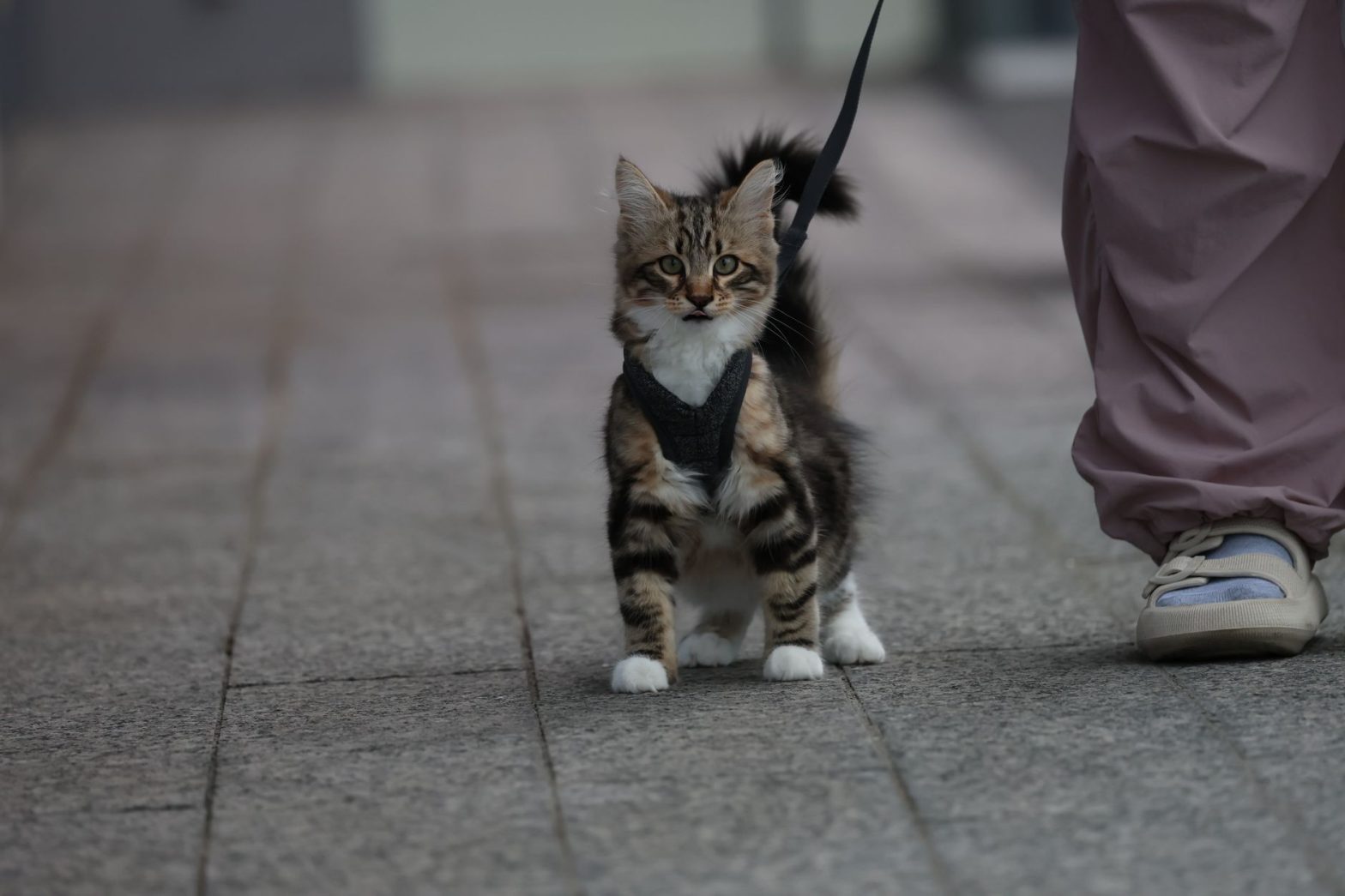
Cat harnesses are essential tools for safely acclimating your cat to the outdoors, provided you select an escape-proof design that fits their unique anatomy. I have spent years training cats to walk on leashes, and selecting the right equipment is the difference between a panicked feline and a curious explorer.
⚡ In a Rush? Key Takeaways
- Most cats require 3–4 weeks of indoor training before their first outdoor walk.
- An escape-proof harness should allow for only 2 fingers of space under the straps.
- Velcro-based harnesses offer better security for 90% of cats than simple clips.
- Always pair your harness with a secure carrier for emergency transport situations.
- ✅ Best overall security: A vest-style harness with both velcro and buckle closures.
Which Cat Harness Style Is Safest?
The safest cat harness style is a vest-style harness that covers the chest and shoulders, preventing the cat from slipping backward.
Why Are Vest Harnesses Better Than Straps?
Vest harnesses distribute pressure evenly across the cat’s ribcage rather than focusing it on the delicate neck and throat area.
Strap-style harnesses often leave too much room for a flexible cat to wiggle out. A vest design acts like a snug jacket, making it nearly impossible for your cat to back out when startled.
- Even pressure distribution reduces the risk of injury during a sudden tug.
- The larger surface area provides more comfort for long-term wear.
- These designs are more difficult for cats to chew on while being fitted.
What Features Make a Harness Escape-Proof?
An escape-proof harness features dual-closure systems like velcro combined with an adjustable buckle or a secondary locking strap.
I always look for a harness that secures both around the neck and the girth. If a harness only secures at the waist, your cat can easily pull their head through the loop.
What Materials Should You Look For in a Cat Harness?
Choose lightweight, breathable fabrics like mesh or soft nylon with reflective trim for visibility and comfort.
Mesh panels allow airflow, preventing overheating during warm weather walks, while reinforced nylon straps provide durability without adding bulk. Reflective stitching or strips increase safety during low-light conditions, making your cat more visible to cyclists and cars.
Avoid heavy cotton or thick padding that can trap heat and cause skin irritation; instead, opt for quick‑dry, machine‑washable materials that are easy to clean after outdoor adventures.
How Do I Train My Cat to Wear a Harness?
Train your cat by introducing the harness inside the home for short intervals, using high-value treats to create positive feelings.
How Can I Start Harness Training Safely?
Begin by placing the harness near the cat’s sleeping area to ensure they become familiar with the scent and presence of the gear.
Once they are comfortable, place it on them loosely indoors without the leash. Leave them to explore while wearing it for five minutes at a time while providing their favorite snacks.
- Keep training sessions under 10 minutes to avoid feline fatigue or stress.
- Use a soft, lightweight leash once they seem calm wearing the vest.
- Reward every successful step they take while wearing the equipment.
When Should I Take My Cat Outside?
Only take your cat outside once they walk calmly on a leash indoors and show no signs of freezing or panic in the harness.
Start with a quiet, enclosed space like a backyard or a hallway. For more tips on managing your cat’s environment, check out our guide on indoor cat enrichment to boost their confidence before hitting the trails.
What Size Should My Cat Harness Be?
Measure your cat’s neck and girth circumference using a soft tape measure, then add one inch for a comfortable, non-restrictive fit.
How Do I Measure My Cat Correctly?
Measure the base of the neck where a collar sits and the widest part of the ribcage, located just behind the front shoulder blades.
Accuracy is vital because cats have very different body shapes depending on their breed and weight. A harness that is too tight can cause chafing, while one too loose is an invitation to escape.
Can I Use a Dog Harness for My Cat?
Avoid using standard dog harnesses for cats because they are rarely designed for a cat’s lower center of gravity and flexibility.
Most dog harnesses are too bulky and can restrict a cat’s movement. If you are struggling with fitting, see our tool for cat carrier sizing to ensure they are safe if you need to travel.
Frequently Asked Questions
-
Are Harnesses Better Than Collars?
Harnesses are significantly safer than collars because they prevent neck injury if a cat pulls or tries to bolt unexpectedly.
-
Will My Cat Always Accept a Harness?
Some cats may never enjoy wearing a harness, so monitor their body language closely and stop training if they show distress.
-
Should I Use a Retractable Leash?
Avoid retractable leashes for cats because the constant tension and potential for mechanical failure pose a risk to feline safety.
Proper training is a journey, and your cat’s comfort always comes first. If you share your home with multiple pets, consider checking our tips for multi-cat harmony to keep everyone stress-free during training.
— Lucy Hartwell CPDT-KA, Certified Professional Dog Trainer