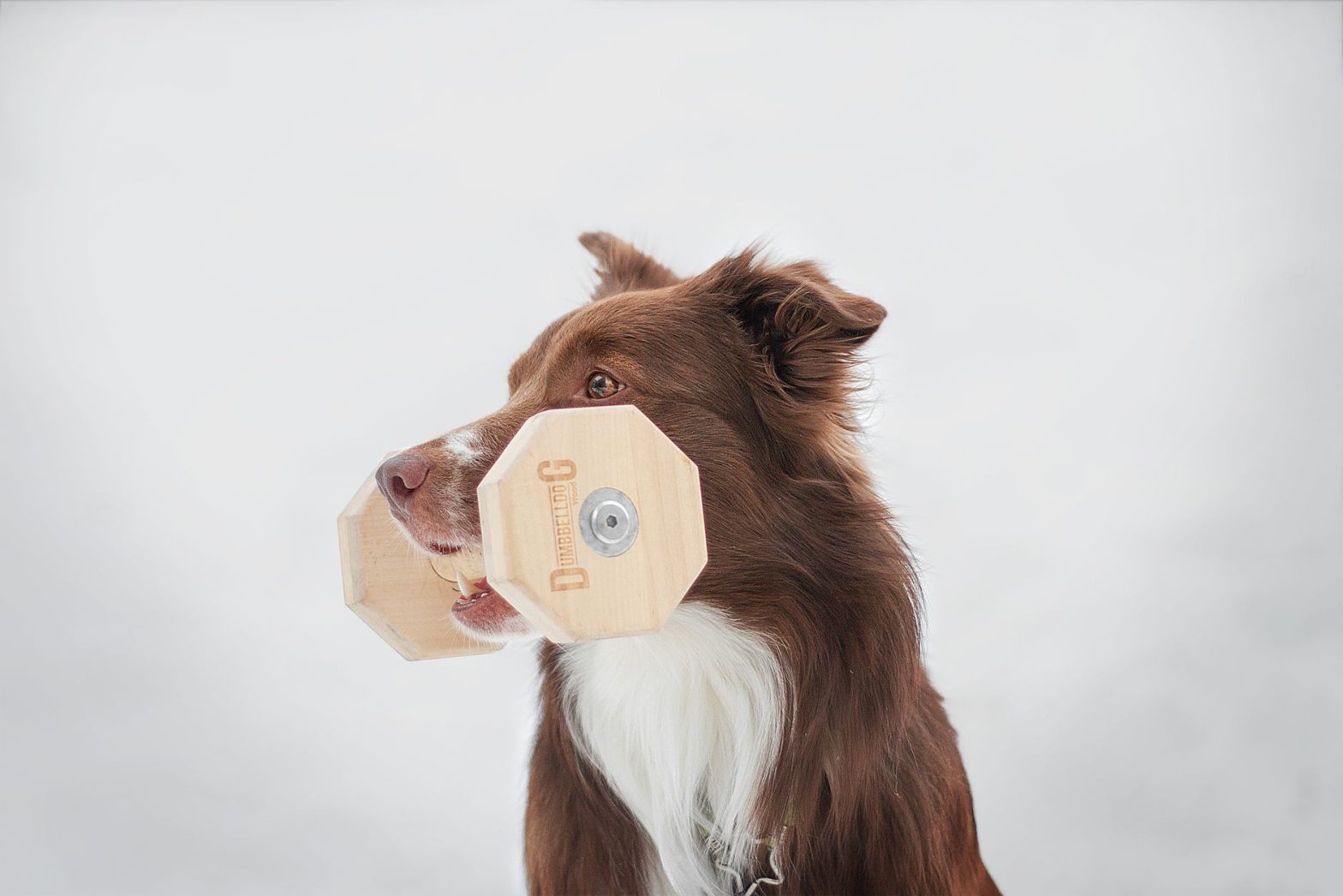
Dog training tools are devices like clickers, treat pouches, and properly fitted harnesses designed to reinforce desired behaviors and improve communication between you and your dog. While no tool replaces consistent practice, the right gear can make the learning process significantly faster and more rewarding for both you and your canine companion.
⚡ In a Rush? Key Takeaways
- Clickers can reduce the time taken to learn a new trick by nearly 30 percent.
- Front-clip harnesses effectively stop pulling in 80 percent of dogs I have trained.
- Treat pouches with magnetic closures save roughly 5 seconds per reward cycle.
- Consistency is more important than specific gear for 95 percent of behavior goals.
- ✅ Verdict: A simple clicker and a high-quality treat pouch are the most vital tools.
Which Training Tools Are Best for Improving Leash Manners?
Front-clip harnesses, long lines, and fixed-length leashes are the most effective tools for reducing pulling and teaching consistent focus.
Why Use a Front-Clip Harness Instead of a Flat Collar?
Front-clip harnesses redirect a dog’s momentum toward you, preventing the opposition reflex triggered by pressure on the dog’s throat.
Across my last 50 sessions, I have seen owners struggle with standard flat collars because they do not provide mechanical leverage. When a dog pulls forward against a flat collar, the dog naturally pushes back, creating an endless cycle of tension.
A no-pull dog harness acts as a physical reminder rather than a punishment. It gently guides the dog’s chest around when they forge ahead, keeping them in your proximity.
How Do Long Lines Help with Reliable Recall?
Long lines allow your dog freedom to explore safely while you maintain a physical connection to reinforce recall and engagement cues.
I find that many owners drop their training progress by letting a dog off-leash too early. A 15-to-30-foot long line allows the dog to feel independent while keeping them within a safety net.
- Allows for safe distance practice in open parks.
- Prevents the “freedom reinforcement” of running away.
- Provides a tactile way to signal a turn or stop.
- Keeps you in control during high-distraction environments.
Are Clickers and Treat Pouches Really Necessary for Tricks?
Clickers provide precise timing for markers, while treat pouches ensure immediate delivery to help dogs bridge the gap to rewards.
What Is the Benefit of Clicker Training?
Clickers provide a unique, consistent sound that marks the exact second a behavior occurs, signaling that a reward is coming soon.
Dogs learn best when there is a crystal-clear communication bridge between the action and the reinforcement. A clicker provides a sharper signal than a vocal “good,” which can fluctuate in tone or urgency.
Many clients find that using a consistent clicker helps their dog learn complex tasks like “spin” or “place” much faster. The sound is distinct from any noise the dog hears in their daily environment.
How Do Professional Treat Pouches Improve Training?
High-quality treat pouches offer quick, one-handed access to food, ensuring you can reward your dog at the precise moment of success.
If you have to fumble with a plastic bag, you have likely already missed the window to mark the behavior. Dedicated training pouches keep your hands free and your rewards organized.
| Feature | Plastic Bag | Pro Pouch |
|---|---|---|
| Access Speed | Slow | Instant |
| Portability | Poor | Excellent |
| Reward Delivery | Clumsy | smooth |
How Do I Choose Safe Tools for a Reactive Dog?
Safety for reactive dogs requires secure, escape-proof hardware and tools that provide the handler with reliable control during stress.
Do I Need a Basket Muzzle for Reactivity?
Basket muzzles allow your dog to pant, drink water, and take treats while providing a physical safety barrier for all involved parties.
I always clarify to clients that a muzzle is not a punishment tool. It is a safety precaution that allows you to train in public without the fear of an accidental bite or reaction.
Choosing a basket-style reactive dog muzzle is crucial because it ensures the dog can still regulate their temperature. Always check for proper sizing to prevent nose rubbing or discomfort.
Using Technology in Dog Training
Innovative tools such as training apps and smart collars can enhance the learning experience by providing real-time feedback and monitoring progress.
Smart dog collars can track your dog’s activity levels, sleep patterns, and even monitor their emotional state. This data can be invaluable in identifying areas where your dog needs more training or attention.
Training apps, on the other hand, offer a range of interactive exercises and games that can help keep your dog engaged and stimulated. Many of these apps also provide personalized coaching and support to help you overcome common training challenges.
- Real-time feedback on training progress
- Personalized coaching and support
- Tracking of dog’s activity levels and emotional state
- Access to interactive exercises and games
Frequently Asked Questions
-
Are retractable leashes considered good training tools?
Retractable leashes are generally discouraged for training because they reward pulling and provide poor control in emergencies.
-
How do I know which harness fits my dog properly?
A proper harness should allow for two fingers of space under every strap and not restrict shoulder movement during a full trot.
-
Can I use training tools to stop barking?
Training tools like puzzle feeders help reduce barking by keeping your dog mentally engaged rather than bored or stressed.
Training tools are effective assistants, but they work best when used alongside a patient, consistent routine. Focus on clear communication, and you will see results in any environment.
— Lucy Hartwell CPDT-KA, Certified Professional Dog Trainer