Are Heated Cat Beds Good for Senior Cats?
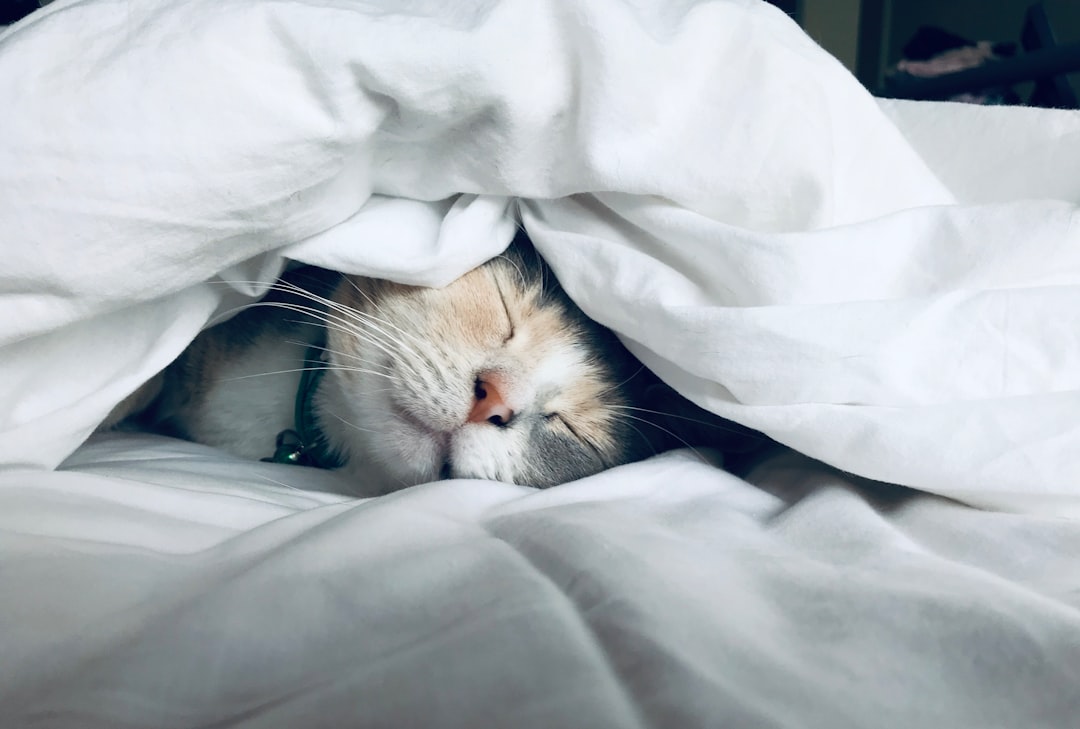
Yes, heated cat beds can be very beneficial for senior cats, especially those suffering from arthritis or joint pain. The gentle warmth can help soothe aching muscles, improve circulation, and provide comfort. However, it’s crucial to choose a bed with safety features and monitor your cat’s use to prevent overheating. As senior cats are more sensitive, it is crucial to be aware and pay attention to how long they are spending in a new heated bed.
Do heated cat beds help with arthritis in older cats?
Yes, the warmth from a heated cat bed can help alleviate arthritis symptoms in older cats. The heat helps to improve blood flow to the joints, reducing stiffness and pain. This can make your cat more comfortable and mobile.
Benefits of Heated Cat Beds for Senior Cats
As cats age, they become more susceptible to various health issues, and their ability to regulate body temperature may decline. Heated cat beds can offer numerous benefits that improve their overall comfort and well-being. Lucy’s Barkery did some digging and here is what we found:
Pain Relief
One of the primary advantages of heated beds is their ability to soothe aching joints and muscles. Many senior cats suffer from arthritis, hip dysplasia, or other degenerative joint diseases. The gentle warmth can help reduce inflammation and ease discomfort, allowing them to rest more comfortably.
Improved Circulation
Heat promotes better blood flow, which is essential for delivering nutrients and oxygen to tissues. Enhanced circulation can alleviate stiffness and promote healing, which is essential for senior cats with mobility issues.
Thermoregulation
Senior cats often struggle to maintain their body temperature, especially in colder environments. A heated bed provides a consistent and comfortable warmth, preventing them from getting chilled. This is particularly beneficial for cats with decreased muscle mass or thyroid issues.
Comfort and Security
Beyond the physical benefits, heated cat beds offer a sense of security and comfort. The cozy warmth can create a relaxing environment that helps reduce anxiety and stress. This is particularly helpful for senior cats who may be experiencing cognitive decline or behavioral changes.
How warm should a heated cat bed be for a senior cat?
A safe and comfortable temperature for a heated cat bed should be around 100-102°F (38-39°C). Ensure the bed has a thermostat to prevent overheating.
Related: Best Orthopedic Cat Beds for Senior Cats
Types of Heated Cat Beds
Different types of heated cat beds cater to various needs and preferences. Understanding the options can help you choose the best one for your senior cat. Here are some things Lucy’s Barkery considered looking at the different bed types:
Electric Heated Beds
These beds plug into an electrical outlet and use a heating element to generate warmth. They typically come with adjustable temperature settings and safety features like automatic shut-off. Electric beds provide consistent and reliable heat, making them a popular choice.
Self-Warming Beds
Self-warming beds utilize the cat’s body heat to create warmth. They often have multiple layers of insulating material that reflect the cat’s heat back to them, providing a cozy environment without electricity. These beds are energy-efficient and safe but may not provide consistent warmth in colder conditions.
Microwaveable Beds
Microwaveable beds contain a heat-retaining pack that you warm in the microwave. Once heated, the pack gradually releases warmth over several hours. These beds are portable and convenient.
USB Heated Beds
USB heated beds can be powered by a USB port, making them suitable for use with laptops or power banks. They are ideal for travel or situations where an electrical outlet is not readily available.
What is the safest type of heated cat bed for older cats?
Self-warming beds are generally the safest as they don’t rely on electricity and avoid the risk of overheating. Electric beds with automatic shut-off features are also a safe option.
Features to Look For in a Heated Cat Bed for Senior Cats
When selecting a heated cat bed for your senior cat, several key features can ensure their safety and comfort. These features can not only save you unneeded stress about your cat but also give you comfort in knowing that your feline friend is as safe as possible.
Temperature Control
Opt for beds with adjustable temperature settings to customize the warmth level according to your cat’s needs and the ambient temperature. A thermostat ensures the bed maintains a consistent temperature without overheating.
Safety Features
Look for beds with safety certifications, such as UL or CE, indicating they meet safety standards. Features like automatic shut-off, overheat protection, and chew-resistant cords can prevent accidents.
Material and Construction
Choose beds made from non-toxic materials that are soft, comfortable, and easy to clean. Durable construction ensures the bed can withstand daily use and potential scratching or chewing.
Size and Shape
Select a bed size that allows your cat to stretch out comfortably. Consider their preferred sleeping position and choose a shape that accommodates their needs, such as a round bed for curling up or a rectangular bed for stretching out. Also make sure that the entry to and exit from the cat bed is easy and effortless.
Ease of Cleaning
Opt for beds with removable, machine-washable covers for easy cleaning. Senior cats may have accidents or health issues that require frequent cleaning, so this feature is essential.
How can I tell if a heated cat bed is too hot for my cat?
Monitor your cat’s behavior. If they avoid the bed, pant, or seem restless, the bed may be too hot. Always check the bed’s temperature with your hand to ensure it’s comfortable.
Potential Risks and Precautions
While heated cat beds offer numerous benefits, it’s essential to be aware of potential risks and take necessary precautions to ensure your cat’s safety.
Overheating
One of the primary concerns is overheating, which can lead to dehydration and heatstroke. Always use beds with temperature control and monitor your cat for signs of discomfort.
Electrical Hazards
Electric heated beds pose a risk of electrical shock or fire if not used properly. Ensure the bed has safety certifications, inspect the cord regularly for damage, and avoid using extension cords.
Burns
Contact burns can occur if the bed’s surface becomes too hot. Use beds with thermostats and avoid placing additional blankets or pads on top, which can trap heat.
Cord Chewing
Cats may chew on electrical cords, posing a risk of electric shock. Choose beds with chew-resistant cords or take measures to protect the cords from chewing.
Are heated cat beds a fire hazard if left on all the time?
While modern heated cat beds have safety features like automatic shut-off, it’s best not to leave them on 24/7. Give them a break to prevent overheating and potential fire risks.
Tips for Introducing a Heated Cat Bed to Your Senior Cat
Introducing a new bed to a senior cat requires patience and understanding. Here are some tips to help your cat adjust to their heated bed:
Make it Familiar
Place the bed in a familiar location where your cat already likes to rest. This can help them feel more comfortable and secure.
Add Familiar Scents
Place a blanket or toy that smells like your cat on the bed. This can make the bed more inviting and help them associate it with positive feelings.
Use Treats and Praise
Encourage your cat to explore the bed by placing treats on it or offering praise when they approach or use it. Positive reinforcement can help them overcome any initial hesitation.
Start Slowly
Initially, only turn the bed on for short periods and gradually increase the duration as your cat becomes more comfortable. This allows them to adjust to the warmth and avoid overheating.
Monitor Their Reaction
Pay close attention to your cat’s behavior. If they seem uncomfortable or avoid the bed, adjust the temperature or try a different type of bed.
Top Heated Cat Beds for Senior Cats
Based on Lucy’s Barkery testing and review and consideration of safety, comfort, and reliability, here are some of the best-heated cat beds for senior cats:
K&H Thermo-Kitty Bed
The K&H Thermo-Kitty Bed is an electric heated bed with a built-in thermostat and automatic shut-off. It maintains a consistent temperature of 10-15 degrees above ambient room temperature, providing gentle warmth without overheating. The soft, plush cover is removable and machine-washable for easy cleaning.
Pros:
- Consistent, gentle warmth
- Automatic shut-off
- Machine-washable cover
Cons:
- Cord may be accessible to chewers
- Some cats may not like the texture of the bed
Sealy Lux Pet Bed
A self-warming bed that uses thermal technology to reflect your cat’s body heat back to them. It features multiple layers of insulating material for enhanced warmth and comfort. The bed is lightweight and portable, making it ideal for travel.
Pros:
- No electricity required
- Safe and energy-efficient
- Lightweight and portable
Cons:
- May not provide enough warmth in very cold conditions
- Requires the cat to consistently use the bed for warmth
RIOGOO Pet Heating Pad
This USB heated pad is versatile and can be used in various settings. It features adjustable temperature settings and a timer function for added convenience. The pad is made from soft, waterproof material and is easy to clean.
Pros:
- Adjustable heat settings
- Waterproof and easy to clean
- USB powered for portability
Cons:
- May require a separate power adapter
- Cord length may be limiting
Related: Best Low-Entry Litter Boxes for Arthritic Senior Cats
Conclusion
Heated cat beds can significantly improve the comfort and well-being of senior cats, especially those suffering from arthritis or age-related health issues. By choosing a bed with appropriate safety features, monitoring your cat’s use, and following the tips for introduction, you can provide a warm and cozy environment that enhances their quality of life.