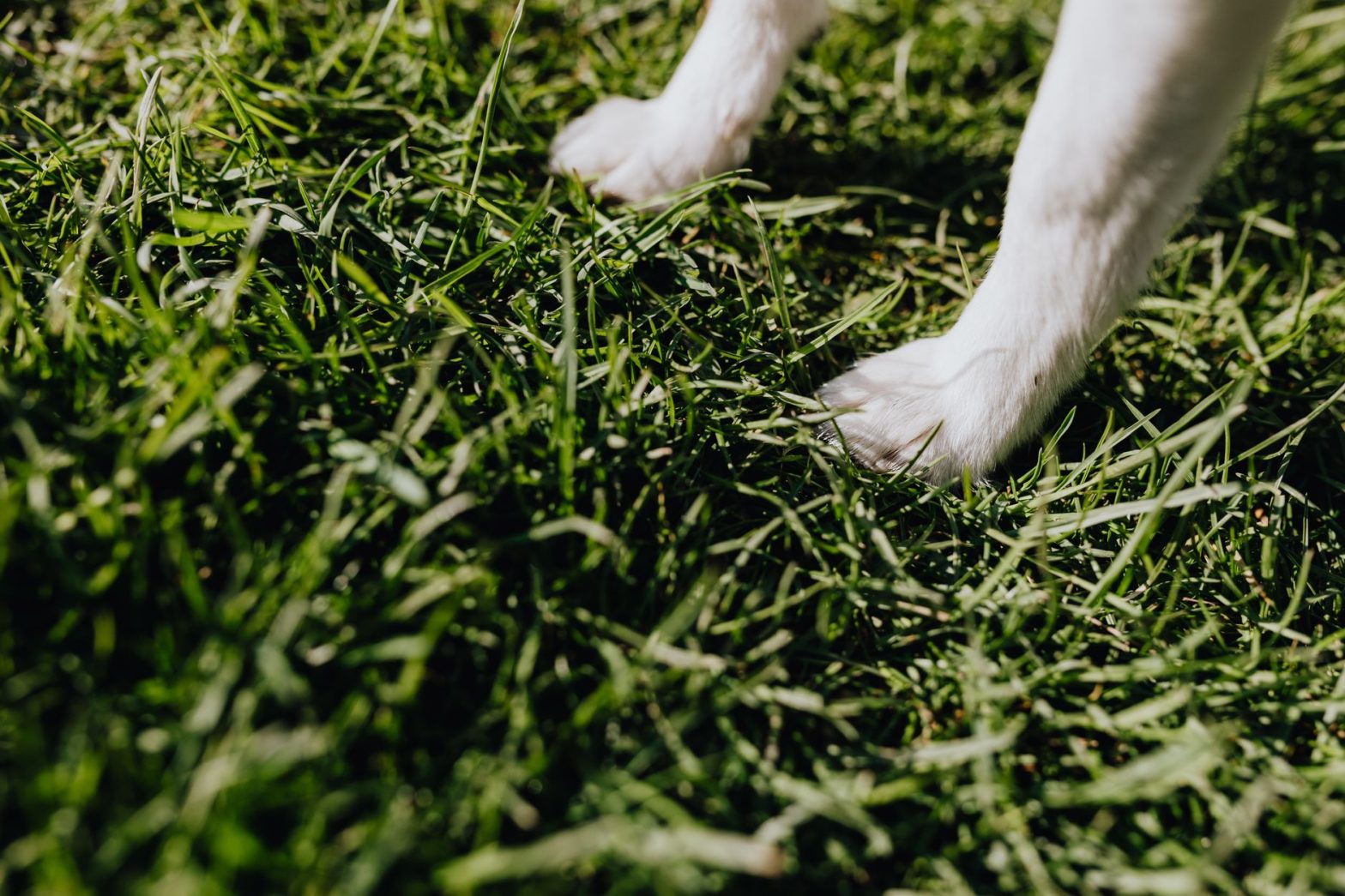
Dog booties provide essential protection for sensitive paw pads against extreme environmental hazards like jagged ice, chemical ice melts, and blistering asphalt. For many dogs, these aren’t just accessories but necessary gear to maintain comfort and prevent long-term injury during walks.
⚡ In a Rush? Key Takeaways
- Properly fitted booties prevent paw burns on asphalt over 125 degrees Fahrenheit.
- Over 80% of dogs stop limping immediately when protected from road salt chemical burns.
- Measure paw width while the dog is standing, adding 0.25 inches for comfort room.
- ✅ Best all-around pick: Durable, breathable rubber-soled boots with dual-strap closure.
Why Do Dogs Need Paw Protection?
Dogs require paw protection to prevent heat burns on pavement, lacerations from jagged ice, and skin irritation caused by harsh road salts.
Is Hot Asphalt Dangerous for Dog Paws?
Asphalt reaches 140 degrees in summer, causing third-degree burns to dog pads in less than 60 seconds of direct, stationary contact.
Many owners assume that because dogs have thick pads, they are immune to surface heat. My own dogs have shown visible distress on sidewalks that felt fine to my hand, and the damage can happen faster than you think.
If you aren’t sure, use the seven-second test: place your own bare palm on the surface. If it is too hot for you to hold it for seven seconds, it is too hot for your dog.
Can Road Salt and Ice Hurt My Dog?
Chemical ice melts contain calcium chloride that causes severe pad drying, painful cracking, and chemical burns if ingested by the dog.
Winter brings a different set of challenges, specifically the gritty salt used to keep our roads clear. This salt acts like sandpaper, grinding into the soft tissue between the toes.
If your dog is licking their feet frantically after a walk, the salt is likely the culprit. You can learn more about managing these winter risks in our senior dog home audit checklist, which includes tips for indoor traction as well.
How Do I Find the Right Bootie Fit?
The ideal bootie fit requires measuring the widest point of the paw while the dog is standing and adding a quarter-inch for movement.
How Should I Measure My Dog’s Paws?
Place the dog’s paw on a piece of paper, mark the width of the widest part, and measure the distance between those two marked lines.
Most owners make the mistake of measuring the paw while the dog is lying down. This is inaccurate because the toes don’t spread out as they do when bearing weight.
- Always measure the front paws, as they are typically larger than the back.
- Measure during the afternoon when the dog has been active.
- If you are between sizes, almost always choose the larger size.
How Can I Keep Booties From Falling Off?
Choose designs with dual-strap closures or internal cinching mechanisms that secure the bootie above the dog’s dewclaw for stability.
The most common complaint I hear is that dogs lose their boots after five minutes. This is usually due to the straps being too loose or the boot being too short in the ankle.
If your dog struggles with balance, you might also consider non-slip dog socks for shorter indoor periods before graduating to full outdoor boots. These provide excellent grip without the bulk of a heavy sole.
What Are the Different Types of Booties?
Booties vary from lightweight rubber balloons for short-term protection to heavy-duty hiking boots with thick, high-traction rubber soles.
When Should I Use Lightweight Rubber Boots?
Lightweight rubber balloons work best for occasional use in rain or light mud where you need to keep paws dry without adding weight.
These are incredibly popular because they allow the dog to feel the ground beneath them. They are essentially thin latex, which means they are not suited for rocky terrain or long hikes.
Consider these a temporary solution for rainy days rather than a daily walking gear item. For longer hikes or rougher conditions, you should look into more robust dog hiking gear that can withstand abrasive surfaces.
Are Hiking Boots Better for Daily Walks?
Hiking boots offer durable, non-slip soles that protect against sharp debris while providing the structure needed for long-distance walks.
| Feature | Hiking Boot | Latex Balloon |
|---|---|---|
| Durability | High | Low |
| Traction | Excellent | Fair |
| Comfort | High | Moderate |
Frequently Asked Questions
-
How long can a dog wear booties?
Dogs can wear booties for the duration of a walk, but remove them immediately upon returning home to allow the paw pads to breathe.
-
Do booties cause dogs to walk funny?
Dogs often walk with a high-stepping gait when first wearing booties, but most adapt fully within two to three consistent wearing sessions.
-
Can I use human shoes for my dog?
Human shoes do not fit dog paw anatomy, which leads to poor posture, restricted blood flow, and dangerous tripping hazards while walking.
Conclusion
Protecting your dog’s paws is a simple but effective way to ensure their comfort throughout the changing seasons. Whether you need them for burning summer sidewalks or icy winter paths, the key is proper measurement and consistent practice. Once your dog gets used to the feel, they will likely start enjoying those longer walks just as much as you do.
— Lucy Hartwell CPDT-KA, Certified Professional Dog Trainer