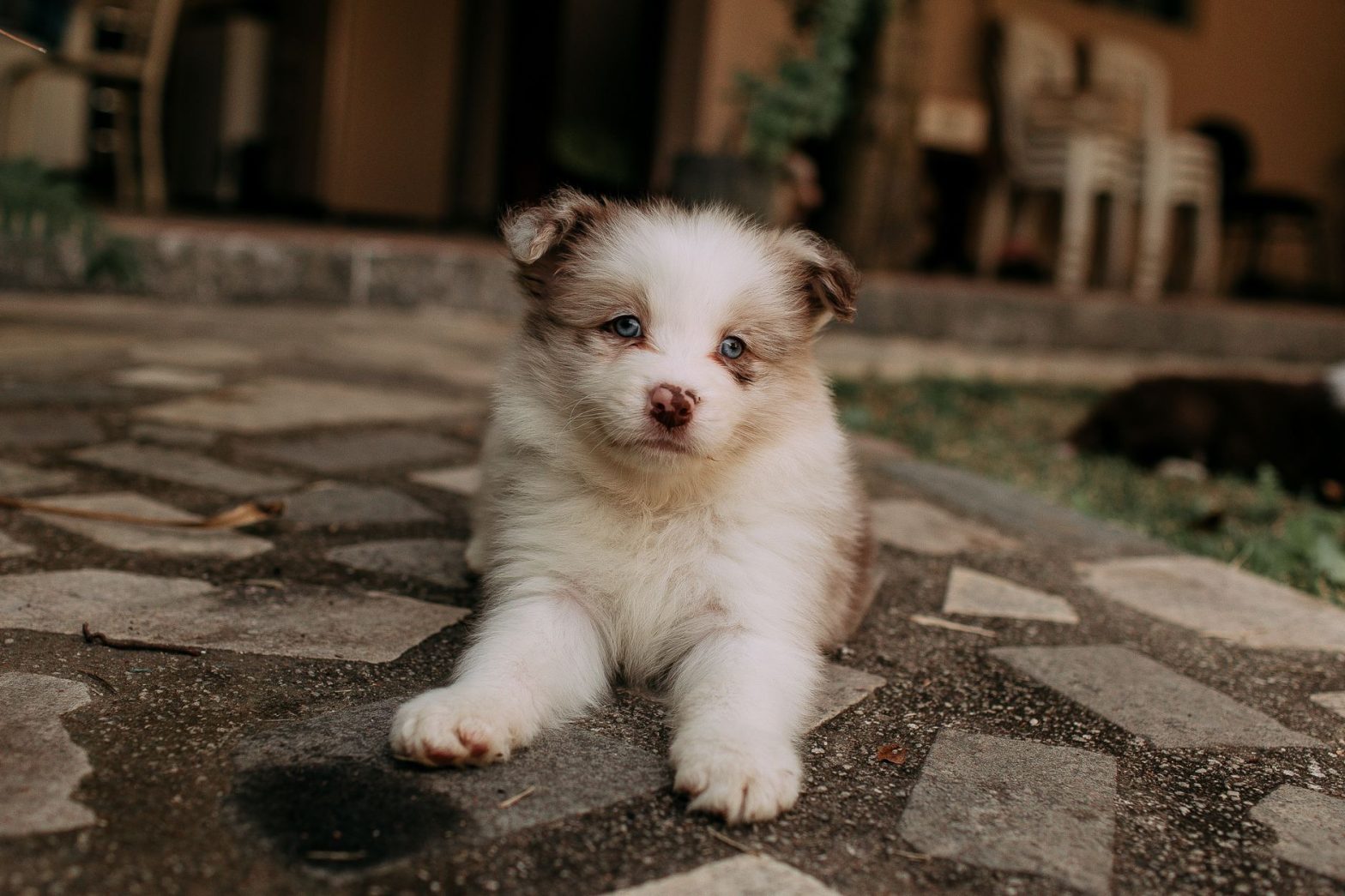
Puppy training pads are absorbent, leak-proof mats designed to serve as an indoor toileting spot while a young dog is still learning bladder control. They act as a management tool during the early house-training phase when a puppy cannot physically hold their bladder long enough to reach the yard.
⚡ In a Rush? Key Takeaways
- Puppies under 16 weeks typically have a bladder capacity of only 2 to 3 hours.
- Over 85% of trainers find that pads can delay outdoor potty training if left out too long.
- Choose pads with a 5-layer polymer system to prevent leaks on hardwood and tile.
- ✅ Best approach: Use pads only for emergencies and prioritize outdoor trips for long-term success.
How Do Puppy Training Pads Actually Work?
Training pads use attractant scents to draw puppies to the surface, and a polymer core that turns liquid into gel for easy disposal.
What is the science behind the attractant scent?
Most pads use pheromones or ammonia-based scents that mimic natural marking behaviours, signalling to the puppy that the area is for relief.
Many of the pads I test use a proprietary scent that mimics canine urine. This helps a puppy associate the pad with their bodily needs rather than your carpet. When I started training my rescue Beagle, Biscuit, he responded almost immediately to these pheromones.
How do the absorbent layers prevent floor damage?
Modern pads use a multi-layer design featuring a quick-dry top sheet, an absorbent polymer core, and a plastic backing to stop leaks.
I always look for pads that feature at least five layers of protection. Without that plastic backing, urine will seep straight through onto your floors, which can lead to lingering odours and damage to wood finishes.
- Quick-dry top layer for clean paws
- Tissue paper layer for structural stability
- Super absorbent polymer core to lock in fluids
- Additional tissue paper for extra leak protection
- Heavy-duty plastic film base
Are Training Pads Recommended for Every Puppy?
Pads are helpful for apartment living or extreme weather, but they can create a habit of indoor toileting that is hard to break later.
When should you consider using training pads?
Pads are best for owners living in high-rise apartments, dogs during harsh winters, or puppies that have not completed vaccination cycles.
If you live on the 20th floor, getting outside in time is often impossible. For these scenarios, the pads act as a safety net. I often refer clients to our senior dog home audit checklist, as these tools often translate well for dogs of all ages needing indoor options.
What are the risks of over-relying on pads?
Extended pad use can lead to confusion where the dog believes that soft textures like rugs or blankets are acceptable spots for relief.
I have seen many dogs develop a preference for soft, carpet-like surfaces because of pad usage. Once they associate the texture of a rug with the pad, you may find accidents occurring on your living room carpet. For more guidance on managing indoor messes, check out our tips on senior dog recovery accessories for ideas on protecting surfaces.
How Do You Transition a Puppy from Pads to Outside?
The secret is moving the pad closer to the door each day until you can remove it entirely and move the training to the grass outside.
How do you gradually move the indoor potty spot?
Move the pad a few feet closer to your exterior door every two days to show the puppy that the bathroom location is shifting outdoors.
Consistency is your best friend here. If you move the pad too quickly, the puppy will get confused and just return to the old spot. Take your time and make sure they are successful at each new interval.
How do you encourage outdoor success after using pads?
Reward your puppy with a high-value treat immediately after they potty outside to reinforce the habit over the previous indoor method.
| Step | Action |
|---|---|
| 1 | Take puppy outside after every meal or nap |
| 2 | Keep a high-value treat ready in your pocket |
| 3 | Use a specific command word every time |
| 4 | Celebrate heavily the moment they finish |
Frequently Asked Questions
-
How often should you change a training pad?
You should change a pad every time it is soiled to maintain hygiene and prevent the puppy from tracking urine around the house.
-
Can pads be used in a crate?
It is generally not recommended as it blurs the line between sleeping area and bathroom, potentially slowing down crate training.
-
What if my puppy shreds the pad?
If your dog treats the pad as a toy, consider a pad holder frame that clips the edges down and prevents access to the corners.
-
Are there eco-friendly pad alternatives?
Yes, washable heavy-duty fabric pads are available, but they require frequent, thorough laundering to manage persistent odours.
These are the most common concerns I hear from pet parents about using indoor training tools for their new puppies.
Remember, for more help with managing your dog’s living environment, be sure to review our Dog Gear Fit Finder tool to see what other accessories might make your life as a new puppy parent easier. — Lucy Hartwell CPDT-KA, Certified Professional Dog Trainer