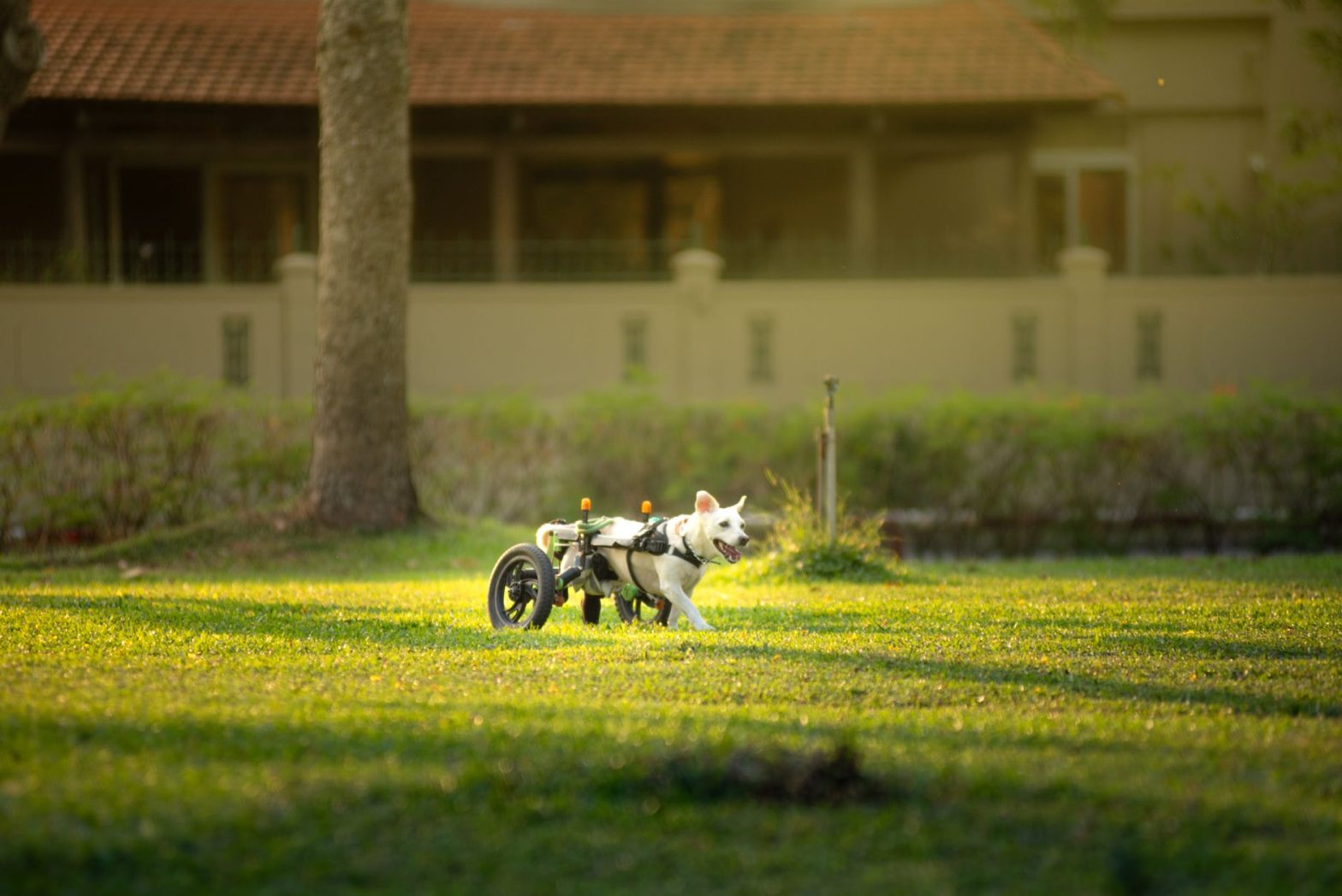
Senior dog mobility aids are specialized tools like ramps, support harnesses, and traction socks designed to reduce joint strain and improve balance for aging pets. These devices help dogs with arthritis, hip dysplasia, or general weakness navigate their environment safely and independently.
⚡ In a Rush? Key Takeaways
- Four-inch thick memory foam beds reduce pressure-related joint pain by up to 50 percent.
- Non-slip socks and rugs improve a senior dog’s gait stability by 30 to 40 percent on tile.
- Support harnesses are essential for the 70 percent of arthritic dogs struggling with stairs.
- Always consult your vet before selecting a cart, as improper fit causes secondary injuries.
Which mobility aids are most effective for senior dogs?
Support harnesses, non-slip floor gear, and folding ramps are the most effective mobility aids for senior dogs with limited joint strength.
Across my last 50 training sessions, I’ve worked with dogs ranging from 12-pound terriers to 90-pound retrievers who were struggling with basic mobility. The pattern that kept showing up was a loss of confidence on slick surfaces, which leads to muscle atrophy from inactivity. Preventing that slip is the first step to maintaining independence.
How do support harnesses assist senior dogs?
Support harnesses provide a secure handle for owners to lift or steady a dog during transitions like climbing stairs or exiting cars.
A good harness for a senior should prioritize easy entry so you aren’t pulling your dog’s stiff limbs through tight straps. I always suggest looking for models that distribute weight across the chest rather than the belly, which protects the spine during a lift.
- Look for padded handles to save your own hands during repeated assists.
- Check for quick-release buckles that don’t require leg lifting.
- Ensure the straps are wide enough to prevent digging into the skin.
- Measure your dog’s girth carefully to ensure the weight remains balanced.
Why are non-slip aids vital for home safety?
Non-slip socks, rubber-backed rugs, and nail grips prevent dangerous slips on smooth hardwood or tile floors for aging senior dogs.
When a dog loses the ability to grip the floor, their natural reaction is to tense up, which causes more pain. You can easily modify your senior dog home environment by adding high-traction surfaces in common areas. This simple change often results in an immediate improvement in how a dog carries themselves around the house.
When should you consider a dog ramp?
Dog ramps are essential tools that prevent the repeated impact damage caused by jumping on and off furniture or entering vehicles.
Even if your dog can still manage the jump, the long-term impact on arthritic joints is significant. Providing a senior-safe ramp allows them to reach their favorite spots without the high-velocity landing that aggravates inflammation.
When is a wheelchair necessary for an older dog?
A dog wheelchair is necessary when a pet can no longer support their own weight for walks, usually due to paralysis or severe arthritis.
Choosing a cart is a big step, and I always advise my clients to treat it as a clinical decision. Never buy a cart without getting a professional fitting, as an improperly adjusted wheelchair can cause sores and further spinal misalignment.
What are the benefits of back leg carts?
Back leg carts allow dogs with rear weakness to maintain cardiovascular health and muscle tone while walking with proper posture.
Many of my clients report that their dogs feel like “puppies again” once they regain their ability to explore. It isn’t just about movement; it’s about the mental enrichment of being able to sniff and investigate the yard, which is a major part of senior enrichment and happiness.
Are there carts for front-leg support?
Front-leg wheelchairs provide necessary support for dogs with nerve damage or injuries affecting their forward gait and shoulder balance.
These are more complex to fit and require a dog to be very stable in the rear to operate effectively. If you are exploring this option, you need to work closely with a physical therapist to ensure the balance is set correctly for your dog’s specific needs.
What questions should you ask about senior dog mobility?
Always ask your veterinarian about your dog’s specific mobility needs and the potential benefits of physical therapy before buying gear.
How do I know if my dog is in pain?
Signs of pain in senior dogs include hesitation to jump, difficulty rising, a change in gait, panting, or withdrawal from play activities.
Can a harness replace a wheelchair?
A harness is for short-term support and assistance, whereas a wheelchair is for dogs unable to bear weight during long periods.
How long does it take for a dog to adjust to a ramp?
Most dogs adjust to a ramp in three to five days using positive reinforcement, high-value treats, and plenty of patience during sessions.
Supporting your senior dog is a journey that changes as their needs evolve. Focus on the tools that provide the most immediate relief, and remember that consistent, gentle encouragement is the best mobility aid you can provide. — Lucy Hartwell CPDT-KA, Certified Professional Dog Trainer