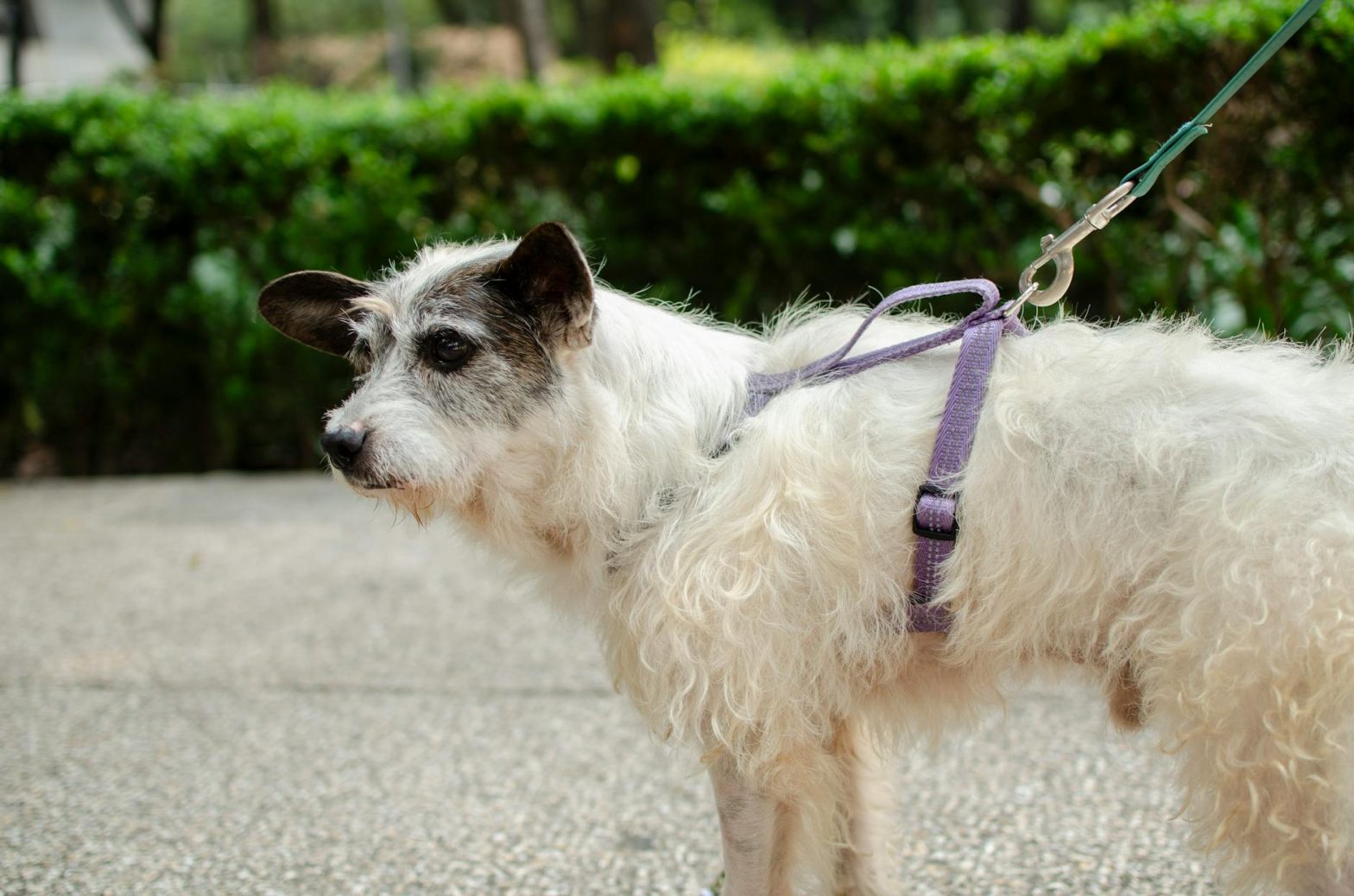
Is finding the right harness a struggle for your anxious dog?
Many dogs experience anxiety during walks or in stressful situations, and a poorly fitted or uncomfortable harness can worsen their distress. A well-designed harness can provide a sense of security and control without exacerbating anxiety. As a dog owner and certified canine nutrition enthusiast, I’ve seen firsthand how the right gear can transform a dog’s experience. Let’s explore some of the best options to help you find the perfect harness for your anxious dog.
What are the key features to look for in an anxiety-reducing dog harness?
When choosing a harness for an anxious dog, prioritize comfort, security, and adjustability. Look for soft, breathable materials that won’t irritate your dog’s skin. A snug but not restrictive fit can provide a calming effect, similar to a gentle hug. Easy on/off designs are also beneficial to minimize stress during the gearing-up process.
Front Clip vs Back Clip Harness: Which Is Better for My Anxious Dog?
Front clip harnesses are generally better for managing anxiety-related pulling, while back clip harnesses offer more comfort for relaxed walks. Many harnesses offer both options! Deciding on front or back clip depends on your dog’s specific behaviours and comfort level. Here’s a breakdown:
What are the benefits of a front clip harness?
Front clip harnesses attach the leash at the dog’s chest. This design redirects your dog’s attention back to you when they pull, making it easier to manage leash manners and reduce anxiety triggers. They discourage pulling without putting pressure on the neck, offering a more humane approach than traditional collars, especially when dogs get anxious and pull harder.
Are there any downsides to front clip harnesses?
Some dogs may initially find front clip harnesses awkward as the leash can get tangled around their legs. It requires a bit of training to get them used to the different point of contact. Also, while effective against pulling, they might not be the most comfortable option for dogs who walk nicely on a leash and simply need a secure way to be walked.
What are the advantages of a back clip harness for anxious dogs?
Back clip harnesses attach the leash at the dog’s back, offering more comfort and freedom of movement for dogs who don’t pull excessively. They are a good choice for dogs who are already comfortable walking on a leash but still experience anxiety, as they provide a secure and familiar feel. The design distributes pressure evenly across the dog’s back, reducing any potential strain.
When should I avoid using a back clip harness?
If your dog tends to pull or lunge, back clip harnesses may not be the best option as they don’t offer the same level of control as front clip harnesses. They can potentially exacerbate pulling behaviour, especially when the dog is anxious or stressed. Opt for a front-clip harness for any dog that tends to pull.
Best Anxiety Wraps for Dogs: Do They Help When Used With a Harness?
Anxiety wraps, like the ThunderShirt, apply gentle, constant pressure to a dog’s torso, which can have a calming effect. When used in combination with a well-fitted harness, anxiety wraps can significantly reduce anxiety during walks or stressful events. But do they really work?
Do anxiety wraps actually calm dogs down?
Research suggests that anxiety wraps can reduce stress behaviours in about 70% of dogs. The pressure mimics the feeling of being hugged, which releases calming hormones. However, it’s most effective when combined with training and positive reinforcement, not as a standalone solution. It’s important to introduce the wrap gradually and associate it with positive experiences, such as treats or gentle praise.
Are there any potential drawbacks to using anxiety wraps?
Some dogs may not tolerate the feeling of being wrapped, especially in hot weather. It’s important to monitor your dog for signs of overheating or discomfort. Start with short periods of wear and gradually increase the duration as your dog gets used to it. Always ensure the wrap is fitted properly to avoid restricting movement or causing skin irritation. Remember to introduce the wrap in a comfortable environment. See other anxiety-reducing gear here.
What are the best dog harnesses for anxious dogs?
Based on customer reviews, expert recommendations, and personal experience, here are some of the best dog harnesses for anxious dogs:
- The Comfort Fit Harness: Made from breathable, soft materials, this harness provides a snug yet comfortable fit. It features both front and back clip options, allowing you to choose the best configuration for your dog’s needs. The padded chest and back panels distribute pressure evenly, reducing strain and discomfort.
- The Security Plus Harness: Designed with escape-proof features, this harness is ideal for anxious dogs who tend to slip out of their gear. It has multiple adjustment points, ensuring a secure and customized fit. The reflective strips enhance visibility during low-light walks.
- The Calming Wrap Harness: This harness combines the benefits of an anxiety wrap with the functionality of a harness. It applies gentle pressure around the dog’s torso, promoting a sense of security and calm. The soft, plush fabric adds an extra layer of comfort.
- The Freedom No-Pull Harness: This harness features a unique design that tightens gently when your dog pulls, discouraging the behavior without causing pain or discomfort. It has multiple attachment points and adjustable straps for a customized fit.
- The Buddy Belts Harness: Offers a snug, secure fit, preventing escape. It’s made from soft, durable materials and features a low-profile design that minimizes bulk. Perfect for dogs who are sensitive to feeling restricted.
How to Choose the Right Size Harness for an Anxious Dog
A properly fitted harness is crucial for an anxious dog’s comfort and safety. A harness that’s too tight can cause chafing and restrict movement, while one that’s too loose can allow the dog to slip out. Follow these steps to ensure you choose the right size:
- Measure Your Dog: Use a soft measuring tape to measure your dog’s chest girth, which is the circumference around the widest part of their chest, just behind the front legs. Also, measure their neck circumference.
- Consult the Size Chart: Each harness brand has its own size chart. Compare your dog’s measurements to the chart and choose the size that corresponds most closely. If your dog falls between sizes, opt for the larger size to ensure comfort.
- Adjust the Fit: Once you receive the harness, adjust the straps to achieve a snug but not restrictive fit. You should be able to fit two fingers comfortably between the harness and your dog’s body.
- Check for Slippage: Before heading out for a walk, test the harness in a safe, enclosed area. Try to gently pull the harness over your dog’s head or back. If it slips easily, tighten the straps or consider a smaller size.
Use our dog harness size calculator to get the perfect fit.
What are some additional tips for helping my anxious dog during walks?
Beyond the harness, other strategies can minimize anxiety during walks:
- Choose Quiet Routes: Opt for less crowded and quieter streets or parks. Avoid areas with high traffic, loud noises, or other potential triggers.
- Use Positive Reinforcement: Bring high-value treats and reward your dog for calm behavior. Praise and treats can help create positive associations with walks.
- Desensitize to Triggers: Gradually expose your dog to potential triggers in a controlled manner. Start with a distance where your dog feels comfortable and gradually decrease the distance as they become more confident.
- Consider Calming Aids: Use calming sprays, pheromone diffusers, or calming treats before walks. These aids can help reduce anxiety levels and promote relaxation. Consult with your veterinarian about the best options for your dog.
- End on a Positive Note: Finish each walk with a positive experience, such as a play session or a favorite treat. Avoid ending the walk when your dog is feeling stressed or anxious.
What are the alternatives to harnesses for managing dog anxiety?
While harnesses are a great option, there are alternatives worth exploring:
- Head Collars (Gentle Leaders): These collars attach to the leash under the dog’s chin, providing gentle control over their head. They can be effective for managing pulling and redirecting attention.
- Martingale Collars: Also known as limited-slip collars, these collars tighten gently when the dog pulls, discouraging the behavior without causing choking or discomfort. They are a good option for dogs who tend to slip out of traditional collars. See our picks for the best martingale collars here.
Conclusion: Choosing the Best Harness
Choosing the right harness for an anxious dog involves considering their specific needs, size, and behaviours. A well-fitted, comfortable harness can provide a sense of security and control. Combine the harness with positive reinforcement, calming aids, and quiet routes to create a positive walking experience for your furry friend.