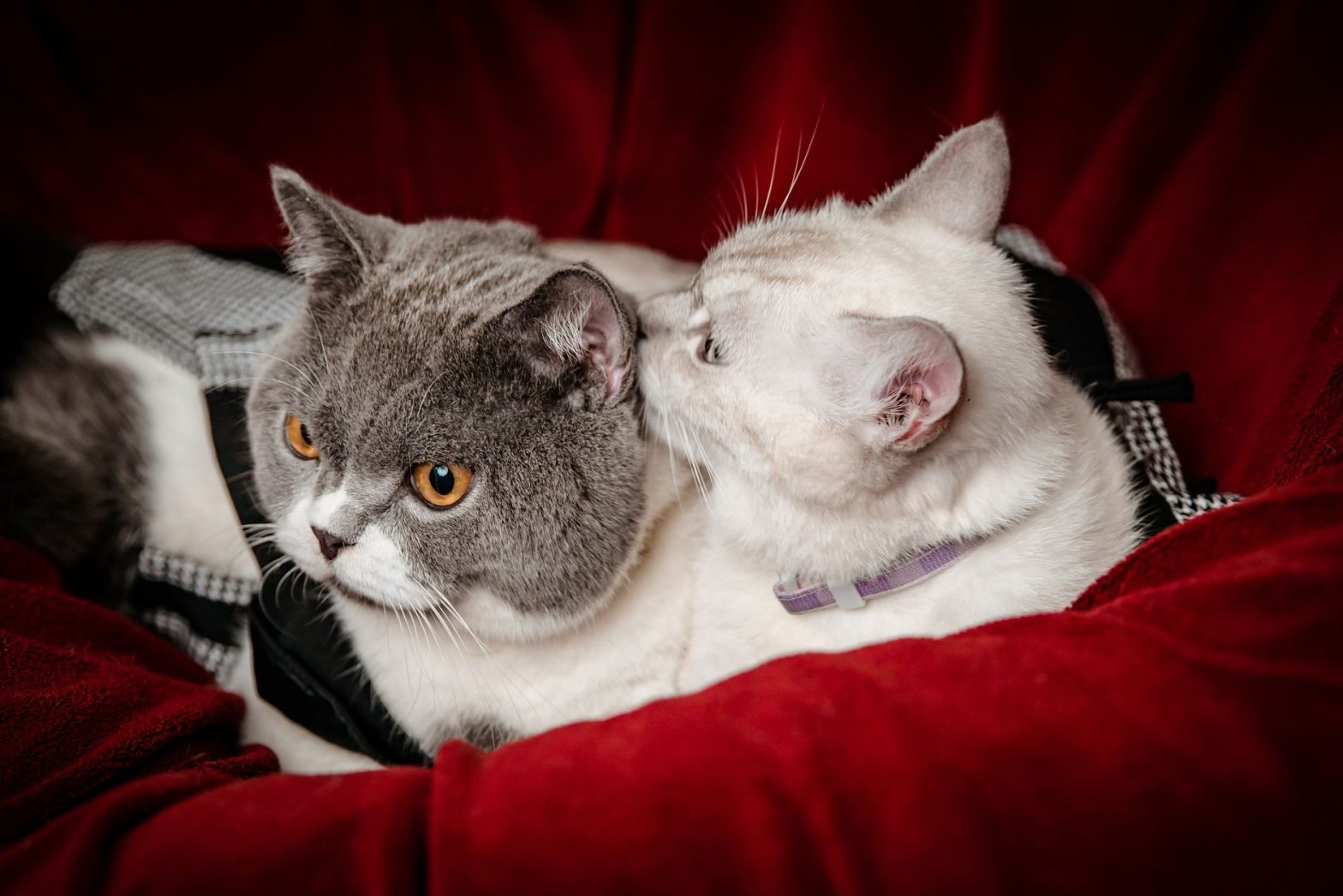
Cat collars provide a vital safety net for your feline friend, but they must feature a breakaway mechanism to prevent accidental strangulation during outdoor adventures. While many cats live exclusively indoors, having a collar with clear identification ensures they can be returned home quickly if they ever slip out the door unexpectedly.
⚡ In a Rush? Key Takeaways
- Breakaway collars must release under 5-8 lbs of pressure to ensure cat safety.
- Over 70% of lost cats with proper ID tags are returned to their owners within 24 hours.
- Collars should have two fingers of space beneath the strap to prevent skin irritation.
- Reflective strips on collars can increase night-time visibility for outdoor cats by 40%.
- ✅ Always choose a safety-release buckle over a traditional fixed buckle for your cat.
Why Are Breakaway Cat Collars the Only Safe Choice?
Breakaway collars use specialized buckles that automatically snap open when snagged, preventing your cat from getting stuck on fences.
How Does a Breakaway Mechanism Protect Your Cat?
The mechanical latch is calibrated to release under moderate tension, allowing the cat to escape if their collar becomes trapped on objects.
As a certified trainer, I have seen too many horror stories involving fixed-buckle collars that snag on branches or furniture. A breakaway mechanism acts as a fail-safe that prioritizes your cat’s physical safety above all else.
- Ensures the cat can pull away if the collar hooks on a tree branch.
- Prevents the collar from becoming a choking hazard in tight spaces.
- Allows the cat to escape safely if they climb through narrow openings.
What Is the Correct Tension for a Breakaway Buckle?
Safe breakaway collars generally require 5 to 8 pounds of resistance to trigger, which is enough to hold a tag without opening easily.
If the buckle is too loose, your cat will lose their collar in the bushes within minutes. If it is too tight, it stops functioning as a safety device entirely.
| Tension Level | Risk Factor |
|---|---|
| Under 3 lbs | High loss rate |
| 5-8 lbs | Ideal safety balance |
| Over 10 lbs | Risk of injury |
How Do You Properly Fit a Collar to Your Cat?
A correctly fitted cat collar should allow two fingers to slide comfortably between the neck and the strap without causing any restriction.
Why Does Collar Tightness Affect Skin Health?
Collars that are fitted too tightly can cause significant matting, skin sores, and persistent discomfort around the delicate neck area.
I often talk to owners struggling with hair loss around the neck area. This is almost always a sign that the fit is too snug or the collar material is too abrasive for daily wear.
- Reduces pressure on the esophagus and trachea for senior cats.
- Prevents matted fur from forming under the fabric strap.
- Allows natural movement during grooming and playtime.
When Should You Re-Measure Your Cat’s Neck?
Check your cat’s collar fit every two weeks, especially for growing kittens or cats that have recently experienced seasonal weight changes.
It is important to remember that indoor enrichment and nutrition changes can impact your cat’s body condition. Keeping up with a regular senior cat health routine includes checking that all accessories still fit properly as they age.
What Types of Identification Are Best for Cats?
Engraved tags and microchips provide the highest rate of recovery for lost cats by combining active and passive identification methods.
Do Tags Actually Help in Reclaiming a Lost Cat?
Visible tags with a current phone number provide an immediate way for neighbors to contact you without needing to visit a veterinary clinic.
A simple tag is your first line of defense. Even if you have a microchip, an engraved tag is the fastest way to get your cat home if they wander into a neighbor’s yard.
- Include your mobile number for instant communication.
- Ensure the text remains legible through regular cleaning.
- Choose lightweight materials like aluminum or silicone to avoid neck strain.
Is a Microchip Better Than a Collar Tag?
Microchips are a permanent, tamper-proof backup to collars, whereas tags are a temporary, accessible way to provide contact information.
I always suggest using both systems for maximum security. While you are exploring cat travel options or just setting up your home, think of the collar as the public contact point and the microchip as the permanent identifier.
Frequently Asked Questions About Cat Collars
-
Can cats get used to wearing a collar?
Most cats adapt to collars within a few days if you introduce the accessory during positive play sessions or meal times for association.
-
Are bells on cat collars necessary?
Bells help warn local wildlife of a cat’s presence, though they may annoy some cats and cause unnecessary stress for highly sensitive pets.
-
Should I use a collar for a strictly indoor cat?
Even indoor cats should wear a breakaway collar with ID, as accidents happen and an escaped cat without identification is hard to trace.
Find answers to common questions about cat collar safety, training, and the transition from indoor to outdoor environments for your feline.
Choosing the right gear is part of providing a safe environment for your pets, much like setting up cat enrichment tools to keep them happy and mentally stimulated indoors. If your cat resists the collar, be patient and use positive reinforcement to build their confidence.