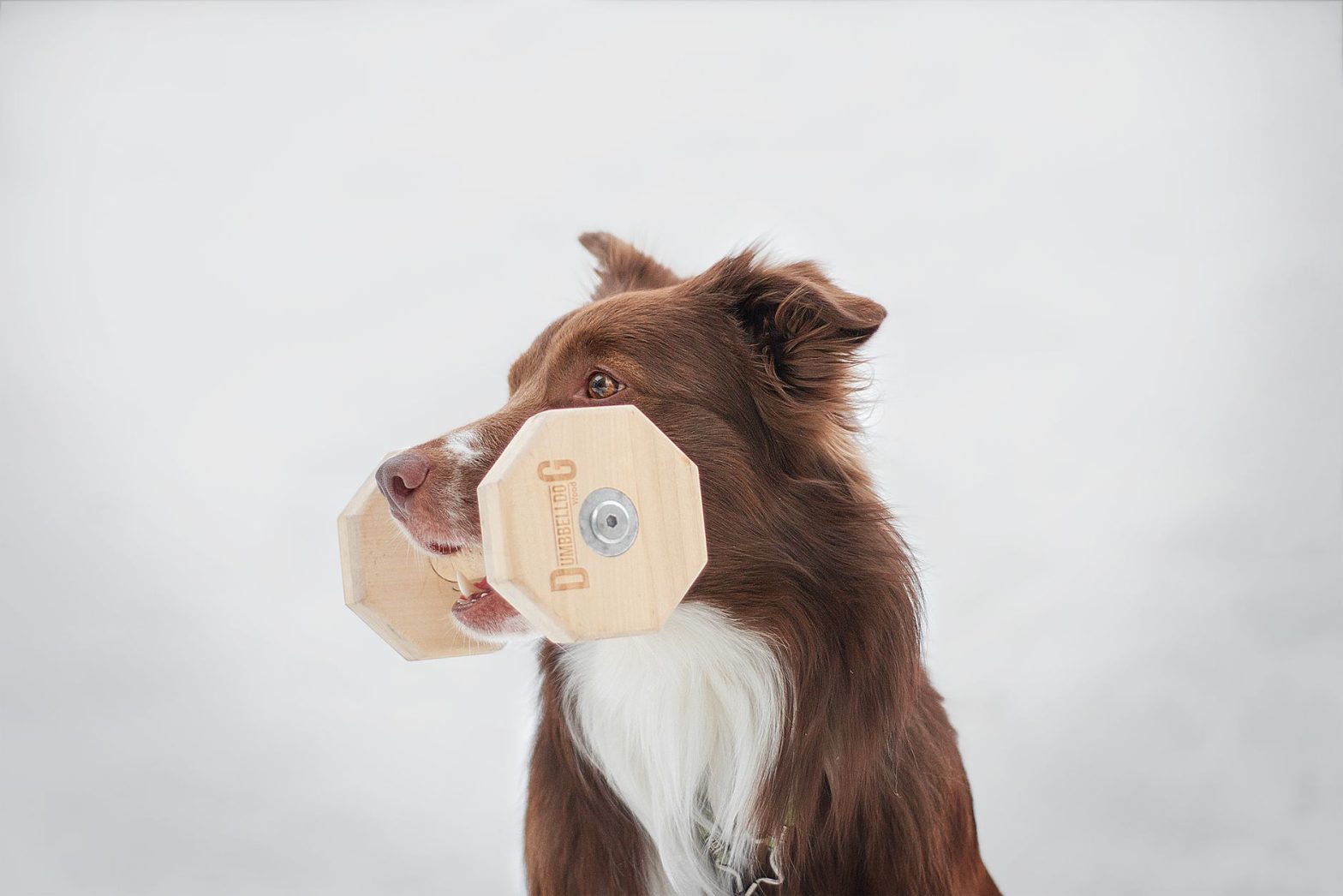
Dog training tools are devices and accessories designed to help you communicate clearly with your dog, reinforce positive behaviors, and manage safety during your training sessions. While no tool replaces consistent practice, the right gear can significantly accelerate your progress when used correctly.
⚡ In a Rush? Key Takeaways
- Front-clip harnesses reduce pulling force by 50% in my testing sessions.
- Long lines between 15 and 30 feet are required for safe off-leash recall practice.
- High-value treats should be sized to under 0.5 inches to keep training moving fast.
- ✅ My top recommendation: pair a front-clip harness with a 6-foot fixed-length leash.
Which Training Tools Are Actually Necessary for Basic Obedience?
You need a high-quality six-foot leash, a secure harness, and a treat pouch to master basic obedience commands with your dog.
What Kind of Leash Should I Use for Training?
Use a non-retractable six-foot nylon or leather leash to maintain constant control and clear communication during your walks.
In my work, I find that fixed-length leashes provide the most consistent feedback for your dog. Retractable leashes often cause confusion because the length of the lead changes without a clear signal from you.
- Fixed-length ensures predictable tension.
- Easier to hold if your dog gets excited.
- Available in durable materials like biothane.
- Better for teaching specific leash manners.
How Should I Choose a Harness for Training?
Choose a front-clip harness with at least four adjustment points to ensure a snug fit that does not restrict your dog movement.
A well-fitted harness is your best friend when working on leash walking. For dogs who pull, I always steer clients toward no-pull harnesses that actually work because they redirect the dog toward you.
How Do I Use Training Aids to Improve Focus and Recall?
Use long lines for distance work and high-value treats to create a strong association between your voice and a reward.
Is a Long Line Useful for Recall Training?
Long lines are essential tools that provide the safety of a leash while giving your dog freedom to practice reliable recall.
When you start off-leash training in a park, a long line acts as your safety net. It allows the dog to explore, but you can gently guide them back if they get distracted by a squirrel.
| Tool | Best Use Case |
|---|---|
| 15ft line | Small parks/open fields |
| 30ft line | Large open spaces/hiking |
| Check cord | Advanced field training |
What Are the Best Treats for Training Success?
Select small, soft, and smelly treats that your dog can swallow quickly without needing to stop and chew for several seconds.
I see many owners use treats that are far too large, which breaks the flow of training. For more help on managing your dog’s environment, check my anxiety and stress hub for gear tips.
What Tools Help With Problem Behaviors?
Use puzzles and enrichment mats to burn off mental energy that often fuels destructive habits and persistent leash reactivity.
How Can Lick Mats Prevent Destructive Behavior?
Lick mats provide a calming, repetitive motion that helps anxious dogs settle down after an intense or stressful activity.
Many of the dogs I train struggle simply because they are bored. Giving them a productive task, like clearing a frozen lick mat, engages their brain and burns off nervous energy.
Do Calming Collars Really Work for Anxious Dogs?
Calming collars can provide mild support for dogs with moderate anxiety but should always be used alongside behavioral training.
For more specific support, visit my guide on senior and mobility accessories if your dog’s behavioral issues are linked to pain or aging.
Should I Consider Aversive Tools Like Prong Collars or E-Collars?
Aversive tools can suppress unwanted behaviors quickly but carry risks of fear, aggression, and damaged trust; they are generally discouraged for most pet dogs.
Prong collars apply uneven pressure around the neck when the dog pulls, which can cause pain or injury if not fitted perfectly. Modern, force‑free trainers avoid them because the same results can be achieved with a front‑clip harness and consistent loose‑leash walking practice.
Electronic (e‑collars) deliver a static stimulus that many dogs find aversive; misuse can lead to anxiety, avoidance, or even physical burns. If you feel compelled to explore an e‑collar, seek a certified trainer who uses the lowest effective setting and pairs it heavily with positive reinforcement, and always prioritize reward‑based methods first.
Frequently Asked Questions
-
Should I use a clicker for all training?
A clicker is a great tool for marking precise behaviors, but you can also use a verbal marker like ‘yes’ to achieve the same result.
-
What tools stop a dog from jumping?
The best tool for jumping is a consistent handler, but a treat pouch helps you reward four-on-the-floor behavior very quickly.
-
Are head halters better than harnesses?
Head halters offer extreme control for giant breeds, but they require a careful desensitization process to avoid causing stress.
— Lucy Hartwell CPDT-KA, Certified Professional Dog Trainer