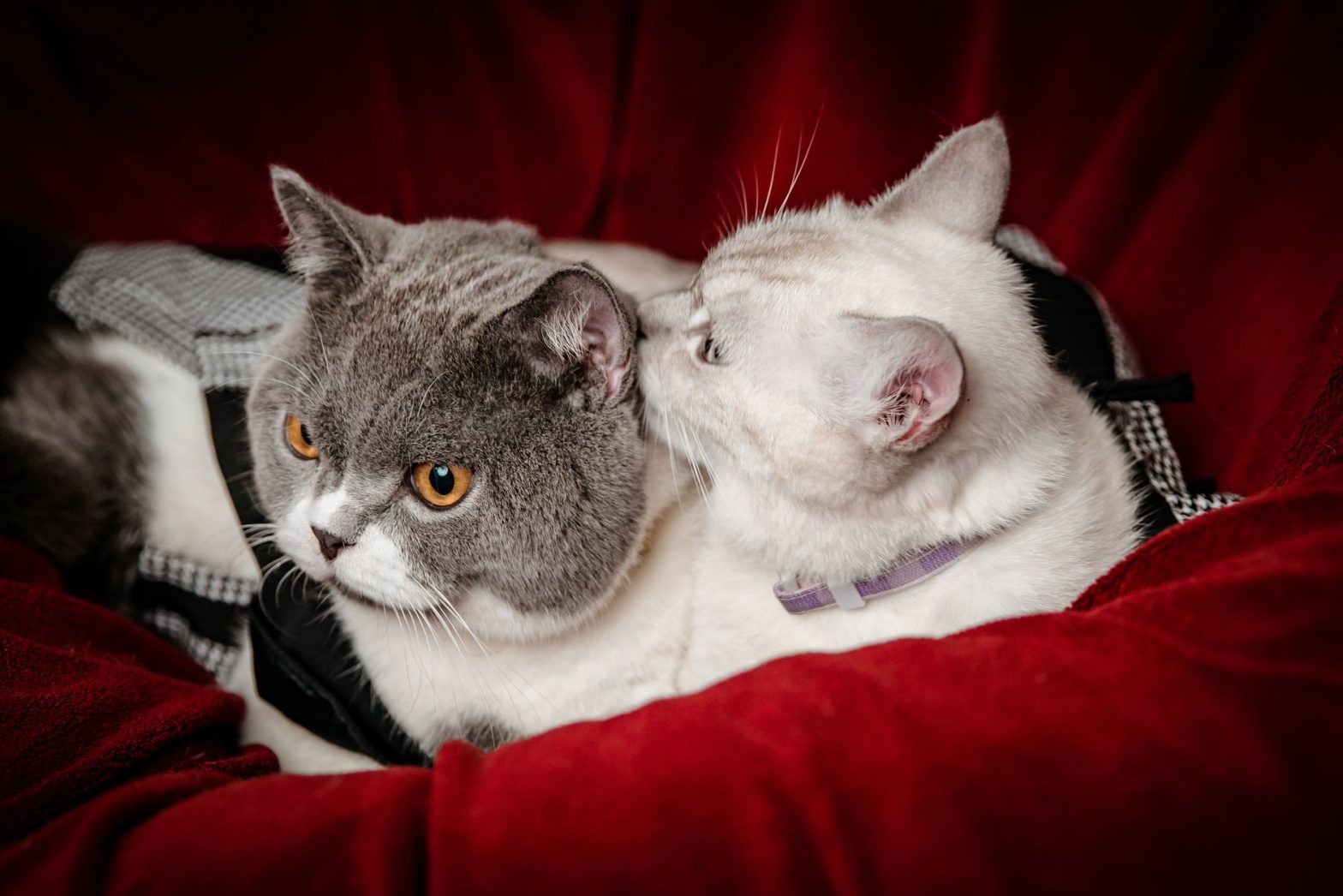
Cat collars are generally safe for indoor and outdoor cats as long as they feature a reliable quick-release or breakaway mechanism to prevent choking. I have spent years working with multi-cat households and shelter rescues, and I have seen firsthand how the right gear provides both identity security and peace of mind without compromising your cat’s mobility or comfort.
⚡ In a Rush? Key Takeaways
- Always choose a breakaway collar designed to release under 5–8 lbs of pressure.
- Over 90% of lost cats with proper ID collars are returned home faster than those without.
- Ensure you can fit 2 fingers comfortably under the collar to prevent skin irritation.
- Avoid elasticized collars as they pose a strangulation risk if a paw gets trapped.
- ✅ Verdict: A reflective, breakaway collar with a custom ID tag is the safest choice.
Why Do Cats Need to Wear Collars?
Cat collars provide essential identification, helping to ensure that a lost pet is returned home quickly by providing immediate contact info.
Is a collar better than a microchip for identification?
Collars provide visible, instant identification for anyone who finds your cat, whereas microchips require a vet to scan the animal.
While I always advocate for microchipping, a collar acts as the first line of defense. A neighbor who finds your cat in the yard can check a tag in seconds without needing to transport the cat to a clinic. Think of the collar as your cat’s “emergency business card” for anyone they meet while exploring.
- Instant contact information for quick reunions
- Visible notification that the cat is a owned pet, not a stray
- Opportunity to display vaccination or medical status tags
Can collars help monitor a cat’s outdoor activity?
Modern cat collars allow for the attachment of small GPS trackers, providing real-time data on your cat’s range and location outdoors.
Many of my clients use lightweight trackers to keep tabs on adventurous felines. If you are interested in exploring this, check out our guide on GPS trackers for cats to see which devices fit securely without weighing your pet down.
How Do You Choose a Safe Cat Collar?
The safest cat collars must feature a breakaway buckle that pops open instantly if the cat gets caught on a fence or tree branch.
What features define a breakaway collar?
Breakaway collars use a specific buckle mechanism designed to snap apart under a set amount of force to prevent accidental choking.
I cannot stress this enough: never use a standard buckle or elastic collar on a cat. Cats are expert climbers, and if that collar snags, a non-breakaway design can be fatal. Look for a buckle that feels sturdy but releases with a firm pull.
| Feature | Why It Matters |
|---|---|
| Breakaway Buckle | Prevents strangulation if the cat gets snagged |
| Reflective Material | Increases visibility during low-light hours |
| Lightweight Fabric | Ensures comfort and prevents fur matting |
Why should you avoid elastic and non-breakaway collars?
Elastic or standard buckles are dangerous because they do not give way, risking entrapment or injury during routine cat behaviors.
I have seen far too many cases where a cat’s jaw or front leg became caught in an elasticized collar. These designs are a relic of the past and should not be used. If your cat currently wears one, swap it out for a modern breakaway style today.
How Do You Properly Fit a Cat Collar?
A correctly fitted cat collar should allow two fingers to slide easily between the fabric and the cat’s neck to prevent skin irritation.
How often should you check the collar fit?
Check your cat’s collar fit at least once a week, especially for growing kittens or cats that have recently experienced weight changes.
Cats are masters at hiding discomfort. A collar that is too tight can cause sores, while one that is too loose can easily lead to a cat getting their leg stuck. If you have multiple pets, make sure to check each individual collar during your multi-cat household maintenance routine.
What should you do if your cat hates their collar?
If a cat reacts negatively to a new collar, use positive reinforcement like treats and short-duration sessions to build their comfort.
Some cats are naturally more sensitive than others. Start by placing the collar near their sleeping area, then introduce it for a few minutes at a time while providing their favorite snacks. Many cats will eventually accept the accessory if the process is slow and rewarding.
Frequently Asked Questions
-
Are bell collars dangerous for cats?
Bells help warn wildlife of a cat’s presence, but they may cause stress for sensitive cats and should be removed if they react poorly.
-
Do breakaway collars fall off too easily?
High-quality breakaway collars are designed to stay on during normal play and only snap when faced with a significant, snagging force.
-
Should indoor-only cats wear collars?
Yes, even indoor cats should wear a collar with an ID tag to ensure they are identified if they ever accidentally slip out the door.
As you continue to refine your home setup, consider checking out our indoor enrichment tools to keep your cat happy and engaged. Remember, safety gear is only as good as the consistency of its use, so keep those ID tags updated whenever your phone number changes. — Lucy Hartwell CPDT-KA, Certified Professional Dog Trainer