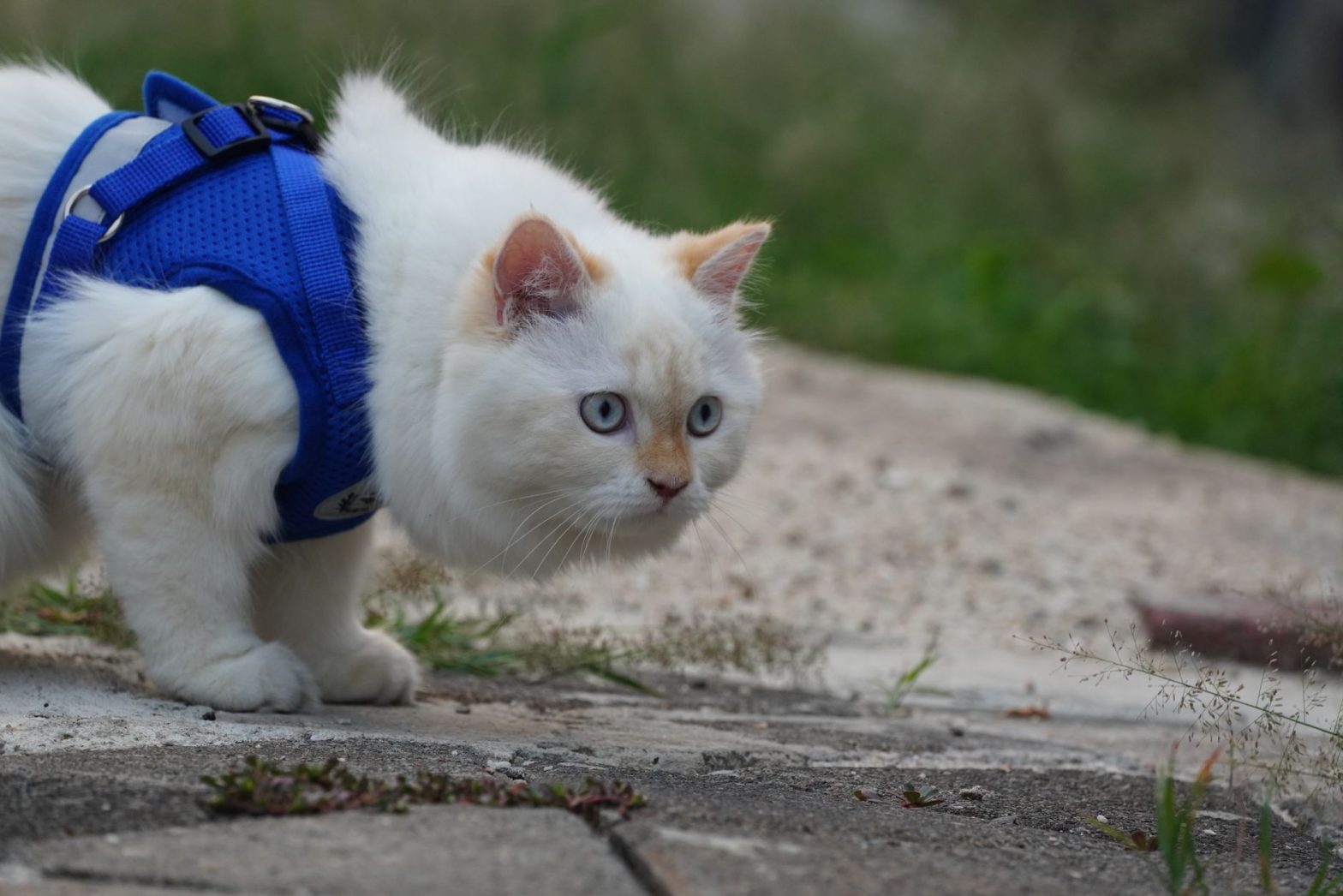
What is the most essential cat safety gear for outdoor exploration?
An escape-proof harness and a lightweight GPS tracker are the two most critical pieces of safety gear for cats exploring outdoors.
Keeping your cat safe when they are outside is about balancing their need for enrichment with the reality of urban or suburban risks. After working with countless cat owners, I’ve found that owners often over-rely on basic collars that simply aren’t up to the task of true safety. True protection requires a multi-layered approach to gear.
⚡ In a Rush? Key Takeaways
- GPS trackers can save hours of searching, with accuracy usually within 5 to 10 meters.
- Escape-proof harnesses should have at least 4 adjustment points to ensure a secure fit.
- Cats should never wear collars without a breakaway buckle to prevent strangulation risks.
- Reflective gear is essential for evening visibility, helping cats be seen from 50+ feet away.
- My top recommendation for active cats is a dedicated GPS tracker paired with a step-in harness.
How do you choose a truly escape-proof harness for cats?
A secure cat harness must have adjustable neck and chest straps to prevent the cat from backing out during a sudden startle response.
Cats are liquid; they can wiggle out of almost any traditional dog harness in seconds. When I test harnesses, I look for step-in designs that tighten slightly when tension is applied without restricting their breathing.
- Look for a ‘Y’ shape design to protect the neck.
- Ensure the material is breathable mesh for comfort.
- Check that the D-ring is positioned on the back, not the throat.
- Double-check the sizing against your cat’s specific weight.
Why are GPS trackers becoming the standard for cat safety?
GPS trackers provide real-time location data, which is essential if a cat wanders further than expected or gets lost in the neighborhood.
In my experience, the peace of mind offered by a GPS tracker is unmatched. While microchips are vital for identification, they don’t help you find a cat in real-time when they are stuck in a tree or hiding under a porch.
- Most modern trackers weigh under 30 grams for comfort.
- Battery life varies, but look for units lasting at least 48 hours.
- Subscription-based models usually offer the best accuracy in dead zones.
- Waterproof casing is mandatory for all-weather feline exploration.
How can you make travel safer for your cat?
Airline-approved carriers with secure latching mechanisms and familiar bedding are the best way to keep cats calm during travel.
Travel is one of the highest-stress events for a cat, and safety gear here means more than just a box. It means choosing a carrier that won’t pop open if dropped and providing items that make them feel secure.
What makes an airline-approved cat carrier safe?
Safe cat carriers must have reinforced zippers, solid structural integrity, and proper ventilation to prevent overheating during transit.
A cheap carrier is a disaster waiting to happen. I always recommend hard-sided carriers for car travel, as they offer better protection in the event of a sudden stop or collision.
- Check for secondary locking mechanisms on all zippers.
- Ensure the interior space allows the cat to stand and turn around.
- Use a seatbelt-compatible carrier for better stability in the car.
- Add a non-slip mat inside to help your cat feel balanced.
Do calming accessories actually help during transit?
Pheromone-infused sprays or collars can significantly lower cortisol levels for anxious cats, making them safer and easier to handle.
I have seen calming accessories transform a terrified cat into a manageable one during vet visits. It isn’t a miracle cure, but it takes the sharpest edge off their anxiety.
- Use calming sprays 15 minutes before putting the cat in the carrier.
- Combine pheromones with a heavy blanket over the carrier to darken the space.
- Monitor for any signs of respiratory irritation from the scent.
- Always consult your vet if your cat has a known history of severe phobias.
What should you look for in basic cat identification?
Breakaway collars with clear identification tags are the safest way to ensure your cat can be returned if they are found by a stranger.
Traditional collars can be a death trap for cats, but modern senior cat accessories or kitten gear now emphasize the breakaway safety mechanism. If your cat gets stuck on a fence, the buckle pops open to release them.
Are engraved tags better than digital QR tags?
Engraved tags provide immediate offline contact info, while QR tags offer more space for medical details and secondary contact numbers.
I recommend using both. A simple tag with your name and number is readable instantly, whereas a QR tag allows a finder to see if your cat has specific dietary needs or medications.
| Tag Type | Best For | Pros |
|---|---|---|
| Engraved | General ID | Read instantly without tech |
| QR Code | Medical Info | Updates remotely, holds more data |
| AirTag/GPS | Tracking | Real-time location |
Why is the breakaway buckle the most important feature?
The breakaway buckle is designed to release when a cat’s collar gets snagged, preventing the risk of accidental strangulation.
Never use a standard snap-lock collar on a cat. The risk of the collar catching on a branch while the cat is climbing is simply too high. Always look for the specific “breakaway” label on your pet accessories packaging.
FAQ
Is it safe to walk a cat on a leash?
Walking a cat on a leash is safe if you use a secure harness and start the training process gradually in a quiet, indoor environment.
Can I use a dog harness on my cat?
Most dog harnesses are not secure for cats; always choose a dedicated cat-specific harness that accounts for a cat’s unique anatomy.
How tight should a cat harness be?
A cat harness should be snug enough to fit one finger underneath the straps, ensuring it is secure without restricting breathing.
— Lucy Hartwell CPDT-KA, Certified Professional Dog Trainer