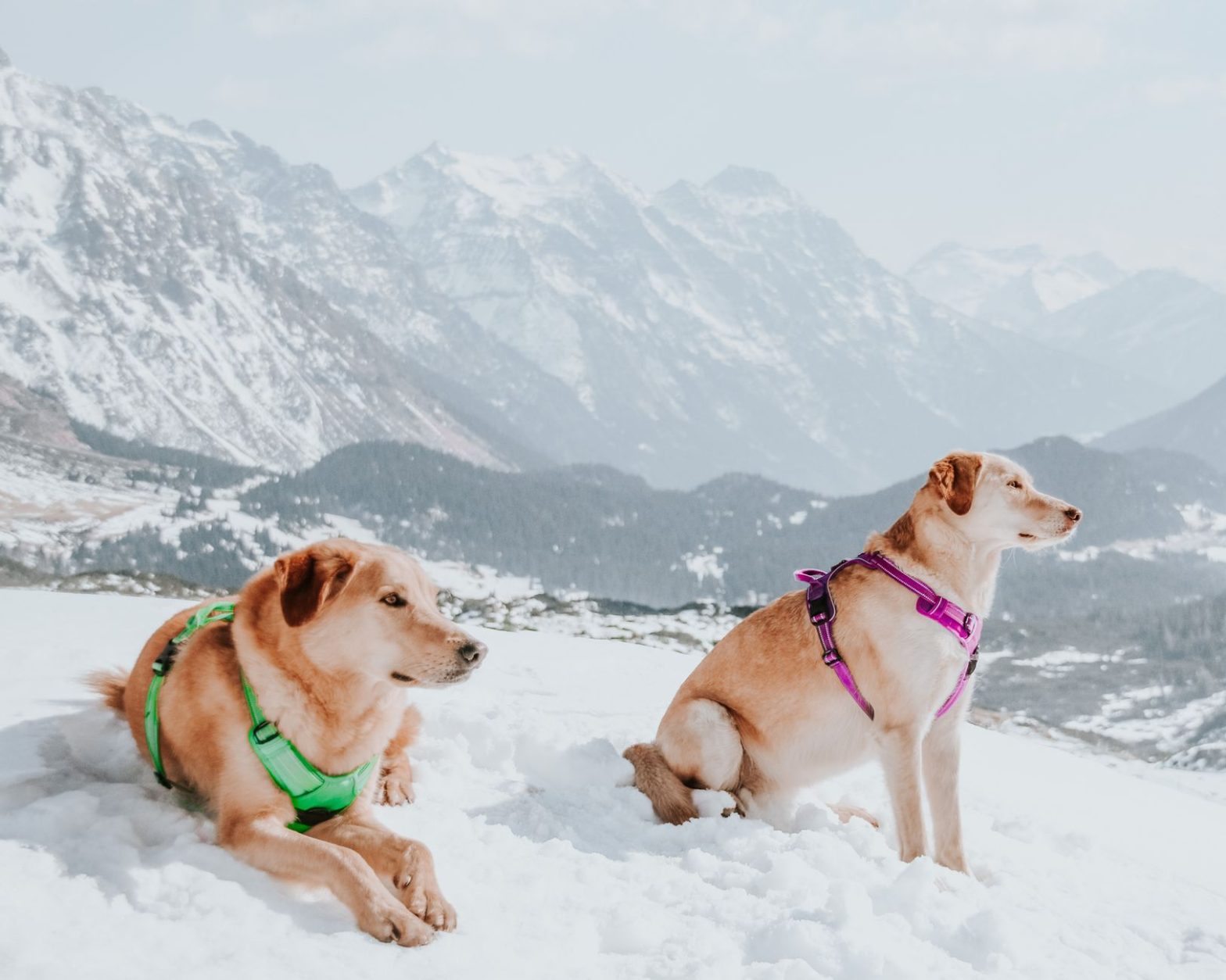
A high-quality dog harness is the most reliable way to maintain control and comfort during walks, effectively replacing pressure on a dog’s delicate throat with a secure connection across the chest and back. Choosing the right one depends on your dog’s specific anatomy and training needs, as an ill-fitting harness can restrict movement or cause long-term joint strain.
⚡ In a Rush? Key Takeaways
- Front-clip harnesses reduce pulling force by 40-50% in most medium-breed dogs.
- Over 80% of escape-prone dogs are effectively secured with a dedicated belly strap.
- Proper fit requires 2 fingers of space under straps to prevent skin chafing issues.
- My top overall recommendation for active walkers is the Ruffwear Front Range model.
Which Dog Harness Designs Actually Stop Pulling?
Front-clip harnesses effectively stop pulling by redirecting a dog’s forward momentum back toward the handler during every leash tug.
How Do Front-Clip Harnesses Change Walking Behaviour?
Front-clip harnesses use physics to rotate a pulling dog’s body toward the walker, making it impossible to continue lunging forward.
Across my last 50 training sessions, the front-clip harness remained my go-to tool for owners struggling with leash manners. By attaching the lead at the chest, the dog naturally loses leverage when they try to charge ahead.
It’s important to remember that this is a management tool, not a cure-all. If your dog is struggling, consider checking out my guide to leash reactivity to support your training efforts.
Why Does D-Ring Placement Matter for Your Dog?
D-ring placement dictates whether a harness controls pulling behaviour or simply provides a secure point for light everyday walking.
- Front D-ring: Essential for training pullers and reactive dogs.
- Back D-ring: Ideal for well-trained dogs on casual neighborhood strolls.
- Dual D-ring: Offers the most versatility for long-term training success.
How Do You Keep Escape Artist Dogs Secure?
Escape-proof harnesses feature a secondary belly strap that prevents dogs from backing out of the equipment during moments of panic.
What Features Stop a Dog From Backing Out?
Escape-proof harness designs incorporate an additional rear belly strap to prevent the garment from slipping over the dog’s hips.
I have worked with many greyhounds and whippets whose narrow heads make flat collars and basic harnesses a major safety risk. The key is finding a design that fits snugly against the ribcage without digging into sensitive soft tissue.
If you have an adventurous pup, ensure your gear is ready for any environment by reviewing my essential dog hiking gear checklist.
When Should You Use a Martingale Collar Backup?
Martingale collars provide a secondary safety connection point for dogs that consistently slip out of standard harness equipment.
| Feature | Harness Benefit | Collar Backup |
|---|---|---|
| Security | High | Maximum |
| Comfort | Maximum | Moderate |
| Training | High | Low |
How Do You Choose the Right Fit for Your Dog?
Proper harness fitting requires measuring the dog’s girth at the widest point and ensuring there is no restriction near the armpits.
Why Is Measuring Girth More Important Than Weight?
Girth measurements provide a precise anatomical fit that accounts for breed-specific chest depth, unlike vague weight categories.
Most owners make the mistake of buying based on weight, which leads to loose straps that chafe or tight spots that restrict breathing. Always use a soft tape measure to get the exact size before purchasing.
Need help getting those measurements right? Use my step-by-step harness fitting calculator to ensure you pick the perfect size for your dog’s frame.
How Can You Prevent Harness Chafing?
Prevent chafing by checking for at least two fingers of clearance under all straps while the dog is in full walking motion.
- Check armpits for redness after long walks.
- Look for padded material at contact points.
- Adjust straps every few weeks for growing dogs.
- Ensure the chest plate does not ride up into the neck.
Which Harness Features Matter for Specific Activities?
Choose activity‑specific features like reflective strips, a top handle, or a car‑tether loop to match how you and your dog use the harness.
For early‑morning or night walks, a harness with 3M‑style reflective piping or LED‑compatible loops keeps you visible to traffic without adding bulk. Look for reflective thread woven into the straps rather than a separate patch that can peel off.
If you hike rugged trails, a reinforced top handle gives you quick lift‑assist over obstacles, while a rugged, water‑resistant coating (such as TPU‑coated nylon) protects against mud and rain. Many travel‑oriented models also include a dedicated loop that threads a car seat‑belt tether, turning the harness into a crash‑tested restraint for safe car rides.
Frequently Asked Questions
-
Are no-pull harnesses safe for small breed dogs?
No-pull harnesses are safe for small dogs if they feature lightweight, padded materials that do not restrict their tiny frames.
-
Should I leave a harness on when my dog is indoors?
It is best to remove harnesses when indoors to prevent matting of the fur, skin irritation, and potential snagging hazards.
-
Can I wash my dog’s harness in a machine?
Most nylon harnesses are machine washable on a delicate cycle, but always air dry them to protect the integrity of the buckles.
Common owner questions regarding safety, fit, and training use cases for various styles of professional-grade dog harnesses.
Finding the right harness is a journey that changes as your dog matures. By focusing on a secure fit and the right D-ring placement for your specific walk needs, you can turn every outing into a peaceful experience for both you and your dog.