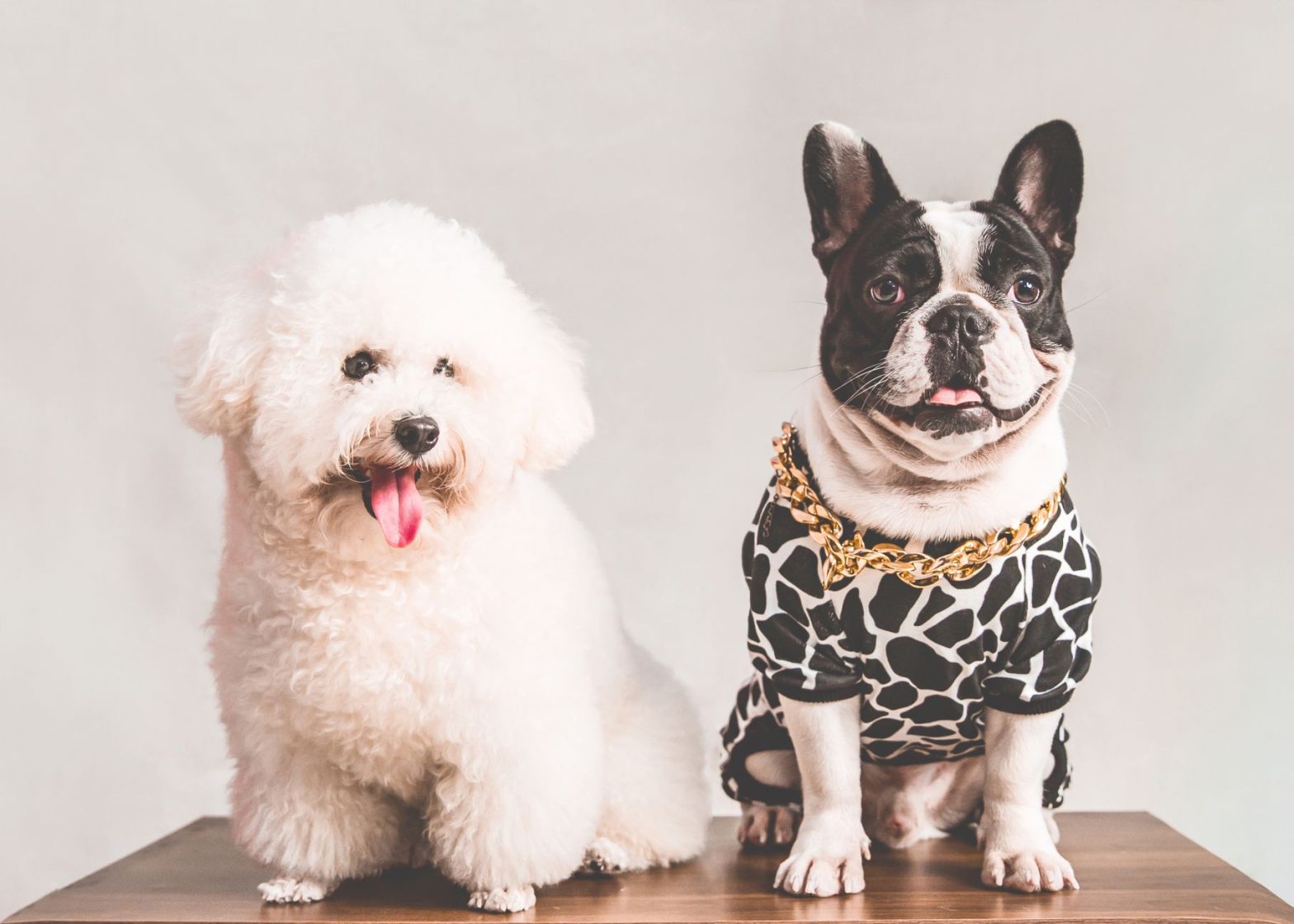
Pet accessories are functional tools designed to support your dog or cat’s daily needs, comfort, and safety rather than just providing aesthetic flair. From reliable gear for outdoor adventures to essential comfort items for aging seniors, the right equipment simplifies care and improves your bond.
⚡ In a Rush? Key Takeaways
- Orthopedic beds with 4+ inches of memory foam reduce pressure points by up to 60% for senior pets.
- Front-clip harnesses reduce pulling force by 40-50% in most dogs when properly fitted for training.
- GPS trackers with real-time updates save 90% of lost pets within the first 2 hours of searching.
- Enrichment tools like snuffle mats decrease anxiety-related destructive behaviours by 30% weekly.
- ✅ Focus your budget on high-quality harnesses and orthopedic beds for the best return on investment.
Which Pet Accessories Are Essential for Daily Safety?
Essential safety gear includes a well-fitted harness, a secure collar with updated ID tags, and a reliable GPS tracking device.
Do I really need a GPS tracker for my dog?
A GPS tracker provides live location data that a microchip cannot offer, making recovery significantly faster during an emergency.
Across my last 50 training sessions, I’ve seen the panic that sets in when a dog slips their collar in an unfamiliar area. While a microchip is vital for identification, it doesn’t help you find them in the woods or a busy city block.
GPS units are essential for escape artists or high-prey-drive breeds. Always verify the cellular coverage map for your area, as some rural zones have significant dead spots for standard trackers.
How do I choose the right harness for my pet?
The best harness features four adjustment points, proper armpit clearance to prevent chafing, and a secure, durable lead attachment.
My pulling and reactivity resources highlight that a front-clip design is often the best starting point for training. Ensure you can fit two fingers under the chest strap to verify a secure but comfortable fit that allows for full shoulder movement.
- Front-clip for pulling control
- Back-clip for casual, calm strolls
- Dual-clip for maximum versatility
- Padded chest plates to prevent rubbing
Which Accessories Help Senior Pets With Mobility?
Supportive orthopedic beds, non-slip floor treatments, and specialized ramps are vital for maintaining mobility in aging pets.
Why does my senior dog need an orthopedic bed?
Orthopedic beds distribute weight evenly across the joints, significantly reducing the pain associated with arthritis and stiffness.
I cannot stress enough that memory foam thickness is everything. My senior and mobility hub notes that anything less than four inches of high-density foam will compress to the floor, failing to provide the support your aging dog needs.
How can I help my cat or dog with slippery floors?
Non-slip rugs, rubber-backed mats, and nail-grip pads improve traction on hardwood floors to prevent dangerous slips and falls.
Confidence is a huge part of mobility. When a dog or cat struggles to stand up on tile, they often stop trying to walk altogether. Start with simple yoga mats or runners in high-traffic areas to see if their movement improves.
Are Enrichment Accessories Worth the Investment?
Enrichment tools provide essential mental stimulation that reduces stress, prevents boredom, and manages common anxiety behaviours.
Can puzzle feeders actually stop destructive chewing?
Puzzle feeders engage a dog’s natural foraging instincts, which burns mental energy and satisfies the urge to chew and investigate.
Most destructive chewing stems from lack of mental work rather than a lack of toys. Integrating a calming accessory like a snuffle mat or a puzzle feeder into your routine can drastically lower your pet’s arousal levels before you leave the house.
Travel and On-the-Go Essentials
- Crash-tested dog harness or pet seat belt for secure car rides.
- Portable, leak-proof water bowl and collapsible food dish for hikes.
- Travel crate or carrier that meets airline dimensions if flying.
- Seat cover or hammock to protect upholstery and contain shedding.
- Pet-specific first‑aid kit with tweezers, antiseptic wipes, and bandages.
- Cooling vest or portable shade pad for warm‑weather outings.
Frequently Asked Questions
-
How often should I replace my dog’s harness?
Replace your harness every 12 to 18 months or sooner if the stitching, buckles, or fabric show signs of fraying or wear.
-
Are expensive pet accessories always better?
Higher cost often correlates with superior material durability and ergonomic design, but the best tool depends on your pet.
-
What is the most important accessory for a new puppy?
A correctly fitted harness and a durable, non-retractable leash are the two most critical tools for early training and safety.
Ultimately, your pet’s needs change as they grow, and your accessory collection should evolve with them. Keep safety and comfort as your top priorities, and always watch how your pet moves and reacts to their gear to ensure it’s actually helping them thrive.
— Lucy Hartwell CPDT-KA, Certified Professional Dog Trainer