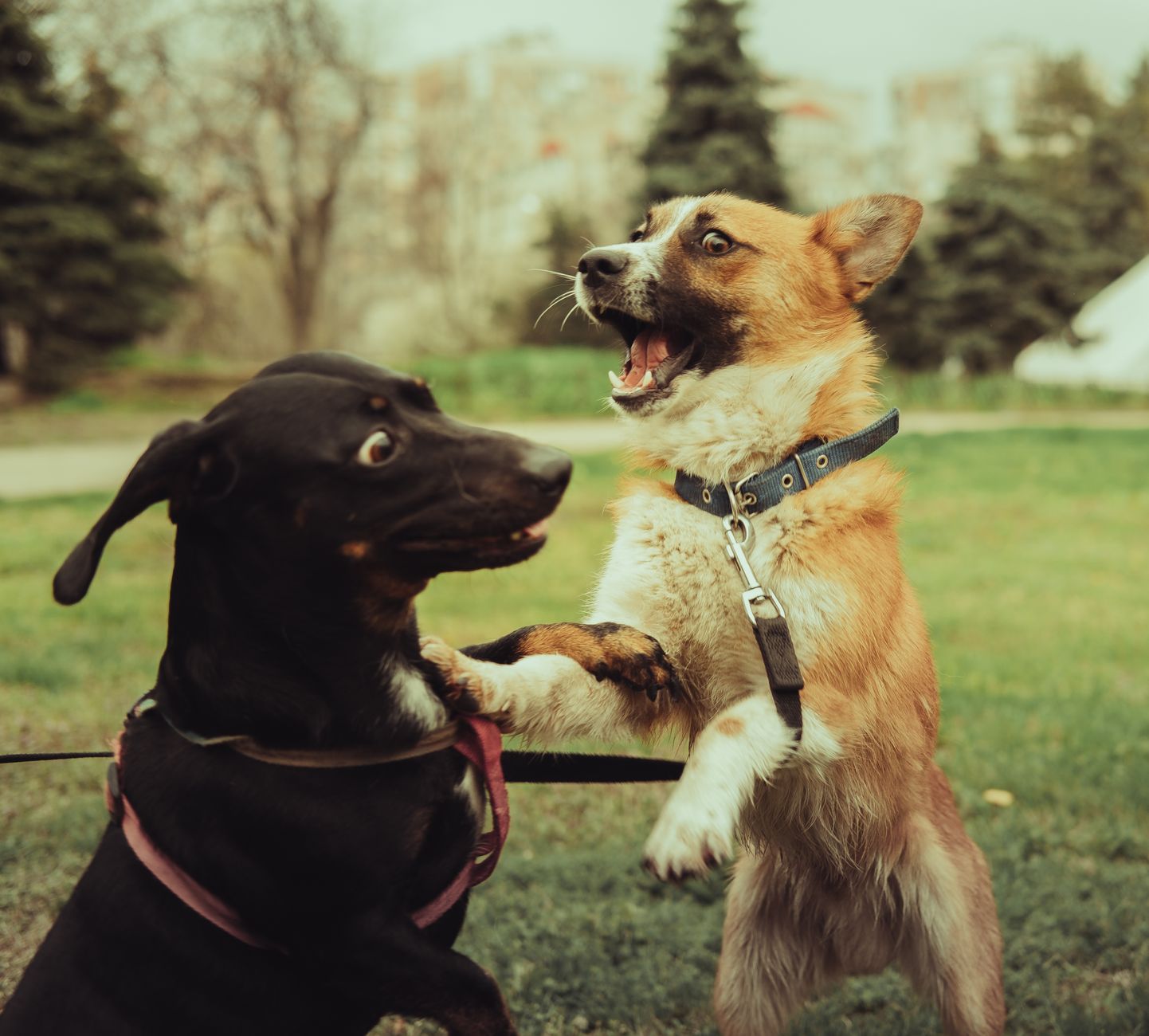
Dog leads serve as the primary physical connection between you and your dog, functioning as a critical tool for safety, training, and effective communication on walks. Selecting the right one depends on your dog’s size, temperament, and your specific training goals for 2026.
⚡ In a Rush? Key Takeaways
- Standard 6-foot fixed-length leads remain the gold standard for daily training sessions.
- Over 85% of leash-related injuries involve retractable leads that fail under sudden tension.
- Use a 20-30 foot long line for safe recall training in controlled, open outdoor spaces.
- ✅ Best all-rounder: A 6-foot biothane lead provides durability and easy cleaning for daily use.
Which Dog Lead Material Lasts the Longest?
Biothane leads last 3-5 years with heavy use, while nylon lasts 1-2 years and leather can last a decade if conditioned properly by owners.
Is Biothane better than leather for rainy walks?
Biothane is superior for rainy walks as it is waterproof, antimicrobial, and will not soak up water or develop odors like leather leads.
Across my last 50 training sessions, I have seen far too many leather leads snap because owners didn’t realize they needed regular oiling. Biothane is my go-to recommendation for clients who hike or live in wet climates.
It mimics the feel of leather but remains consistently grippy, even when covered in mud. You can simply wipe it clean, which keeps it looking new for years.
Why should you choose nylon over cotton leads?
Nylon leads provide superior tensile strength and abrasion resistance, making them safer and more durable than cotton for most dogs.
- Nylon dries faster than cotton after getting wet.
- Cotton leads can shrink and lose structural integrity.
- Nylon is available in high-visibility reflective options.
- Cotton is often too soft and can fray quickly near the clip.
What hardware features should I look for in a dog lead?
Look for rust‑proof, locking carabiners or bolt snaps, a swivel to prevent twisting, and reinforced stitching at stress points for maximum safety and longevity.
Strong, corrosion‑resistant hardware is especially important if you walk in wet or salty environments; a stainless‑steel or brass carabiner won’t seize up, while a plastic‑coated snap can degrade quickly.
A built‑in swivel near the clip stops the lead from coiling around your wrist or the dog’s neck when the dog spins, reducing tangles and wear on both the lead and your hands.
- Bolt snap (spring-loaded) – quick release, strong under load.
- Trigger snap – similar to bolt snap but with a safety lock.
- Locking carabiner – screw‑gate or auto‑lock, ideal for high‑pull dogs.
- Swivel joint – prevents lead twist, reduces tangles.
- Reinforced bar‑tack stitching – distributes force at the clip.
How Do I Choose the Right Leash Length?
Select a 6-foot lead for standard neighborhood walks, a 15-foot lead for training, and a 30-foot line for safe recall practice outdoors.
When is a 6-foot lead the best choice?
A 6-foot lead provides enough slack for natural sniffing while keeping your dog close enough for immediate safety in urban environments.
This is the industry standard for a reason. It offers the perfect balance between giving your dog freedom to explore and maintaining the control required for managing leash reactivity effectively.
If you are working on your harness fit, the 6-foot length allows you to see how the gear sits on the dog’s chest without them wandering too far away.
Why are retractable leashes often discouraged by trainers?
Retractable leads teach dogs that pulling extends the range, create rope burn risks, and often suffer mechanical brake failures.
Are There Special Leads for Escape Artists?
Escape artists require double-clip leashes or specialized hardware that connects to both a harness and a martingale collar for safety.
How does a double-clip lead improve safety?
A double-clip lead secures to both the front chest ring and back ring of a harness, offering two points of contact for extra security.
I have used this method for my rescue Beagle whenever we enter high-traffic areas. It essentially creates an emergency backup if one attachment point fails.
You can find more advice on securing your setup in our pulling and reactivity hub for those extra-determined pups.
What should I look for in a safety backup lead?
A safety backup should feature steel locking carabiners and a secondary short tether that attaches directly to your dog’s primary collar.
Frequently Asked Questions
-
What length lead is best for puppy training?
Use a 6-foot fixed-length lead for puppy training to establish consistent communication and prevent bad habits from forming early on.
-
Can I wash my dog’s lead in the machine?
Most nylon leads can be machine washed in a mesh bag on a gentle cycle, but avoid high heat drying which can damage the lead fabric.
-
Is a chain lead safe for my dog?
Chain leads are heavy, can damage your hands, and offer no benefit over modern nylon or biothane materials for standard walking tasks.
Finding the right lead is a journey of testing and observing what makes you and your dog feel most connected on your daily adventures. Remember, the best leash is the one that gives you peace of mind. — Lucy Hartwell CPDT-KA, Certified Professional Dog Trainer