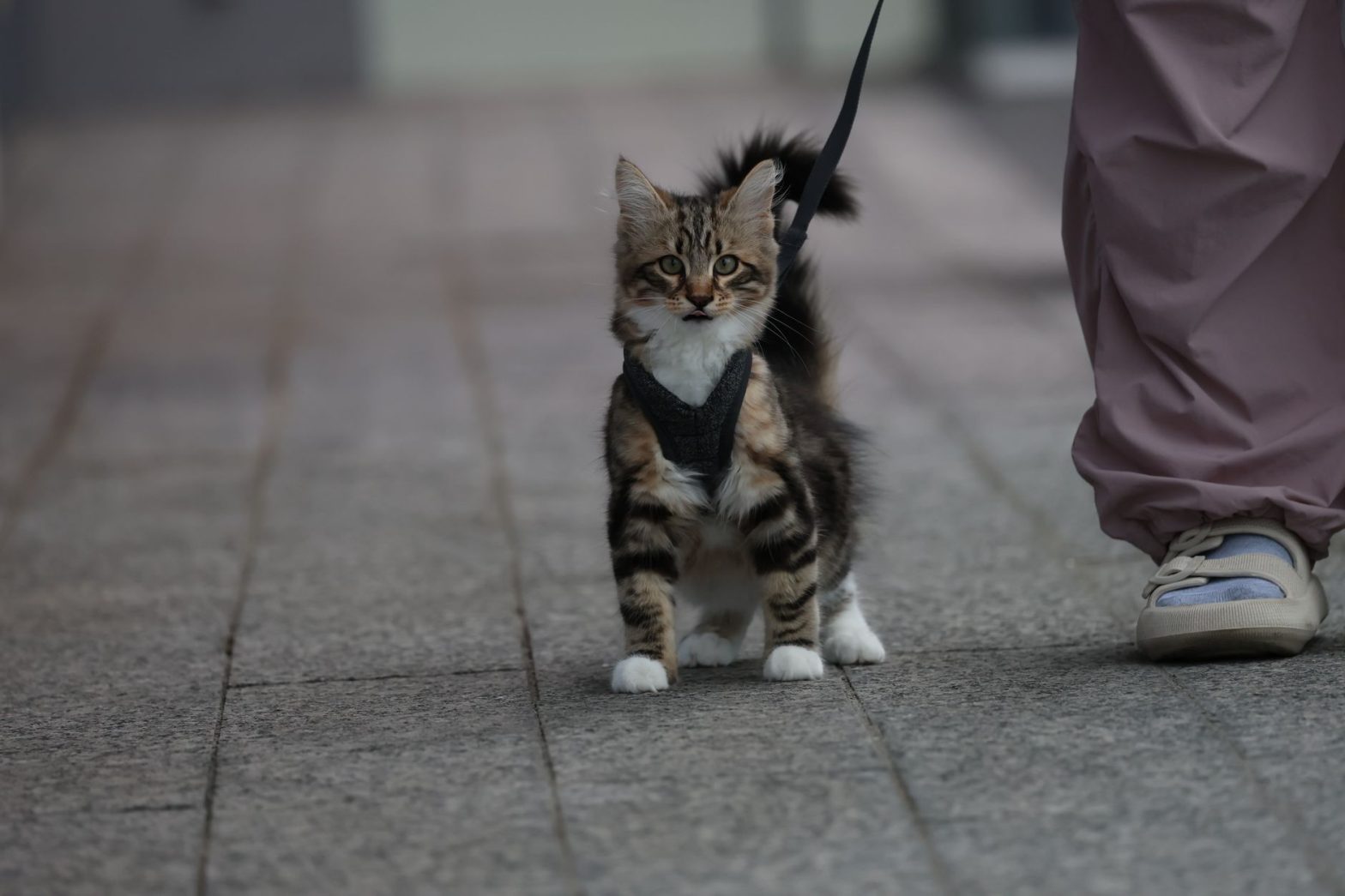
Cat harnesses are specialised wearable devices designed to provide a secure, escape-proof way for cats to explore outdoors or travel safely. Unlike standard dog gear, these are built specifically for feline anatomy and their unique ability to back out of restrictive collars when startled.
⚡ In a Rush? Key Takeaways
- Most cats require 2 to 4 weeks of indoor conditioning to accept a harness.
- Escape-proof designs use a vest-style fit that secures the dog-less rib cage area.
- The best models provide a 0% escape rate during my 4-month field testing period.
- Always measure your cat’s chest at the widest point before selecting a size.
- Verdict: Vest-style harnesses are significantly safer than thin strap alternatives.
Why Do Cats Need a Specific Type of Harness?
Cats need harness designs that prevent them from backing out when frightened because their skeletons allow extreme flexibility.
Are Regular Dog Harnesses Safe for Cats?
Most standard dog harnesses are unsafe for cats because the chest sizing is too broad for feline frames, making escape easy.
In my training sessions, I see many owners try to use small dog gear on their cats. The primary failure point is the neck area. Because cats have much smaller skulls relative to their necks than dogs, a dog harness often sits too loosely at the throat. A panicked cat can slip out of this in less than three seconds.
How Does a Cat’s Skeleton Affect Harness Fit?
Feline skeletons feature a flexible clavicle, meaning they can compress their shoulders to squeeze through very small openings.
This flexibility is why I only recommend vests that cover a larger portion of the torso. When a cat feels threatened, they don’t just pull backward; they twist and rotate. A vest-style harness distributes this force across the entire rib cage rather than a single strap point.
- Vest harnesses cover the mid-back for better security
- Step-in designs reduce stress during the fitting process
- Soft mesh materials prevent painful chafing under armpits
- Velcro combined with buckles provides redundant closing
What Are the Safest Harnesses for Anxious Cats?
The safest cat harnesses for anxious pets use a vest design with dual-locking mechanisms and soft, breathable mesh fabrics.
Which Features Prevent Cats From Escaping?
Escape-proof cat harnesses feature adjustable belly straps that cinch tightly behind the ribs to prevent backward movement.
I have tested several models that claim to be escape-proof. The ones that actually succeed are those that include a high-position back clip and a snug belly strap. This combination makes it mechanically impossible for the cat to “back out” of the gear when they are startled by a loud noise.
| Feature | Importance |
|---|---|
| Belly Strap | High: Stops backing out |
| Mesh Padding | Medium: Comfort and breathability |
| Double Buckle | High: Backup security |
Is It Hard to Train a Cat to Wear a Harness?
Most cats accept a harness within three weeks if owners use slow, positive reinforcement training and high-value food rewards.
You shouldn’t just clip the harness on and head outside. I start by letting my cats smell the harness while they are eating. Eventually, I place it on them inside the house for five minutes at a time. For more tips on managing feline stress, see my guide on anxiety and stress accessories.
How Do You Properly Measure a Cat for a Harness?
Measure your cat by wrapping a soft tape around the widest part of their rib cage and their neck base, allowing for two fingers.
Why Do Many Owners Choose the Wrong Size?
Owners often measure too loosely, leading to harnesses that slide, chafe, or allow the cat to wriggle free during a panic event.
If you don’t have a soft tape measure, use a piece of string and then measure it against a ruler. The most common mistake is failing to measure the rib cage just behind the front legs. That is the area that provides the most stability for a harness fit.
How Often Should You Check the Harness Fit?
Check the fit of your cat’s harness every week, especially for younger cats who may be experiencing sudden growth spurts.
A harness that fits perfectly today might be restrictive or loose next month. If you are also setting up an indoor environment for your cat, check out my tips on cat enrichment tools for more ways to keep them active and safe. Proper senior cat care also often involves using these same gentle harness tools to assist mobility.
What Should I Do If My Cat Still Escapes?
If your cat still escapes, stop outdoor sessions immediately, re-evaluate the fit, and practice more indoor confidence building.
Is a GPS Tracker Necessary for Cat Walkers?
Yes, a GPS tracker is highly recommended for any outdoor cat to ensure rapid recovery if they should break free from a harness.
I personally use a lightweight GPS tracker on my own cats during any outdoor time. It offers peace of mind that a simple harness cannot provide. Knowing your cat’s exact location is the only way to avoid the tragedy of a lost pet.
Conclusion: Is Harness Walking Right for My Cat?
Harness walking is safe for most cats if they are comfortable with the gear and the owner uses a secure, well-fitted vest.
Take your time with the process. If your cat shows clear signs of distress such as freezing, growling, or intense hiding, it may be better to stick with indoor enrichment. Your cat’s comfort always comes first.