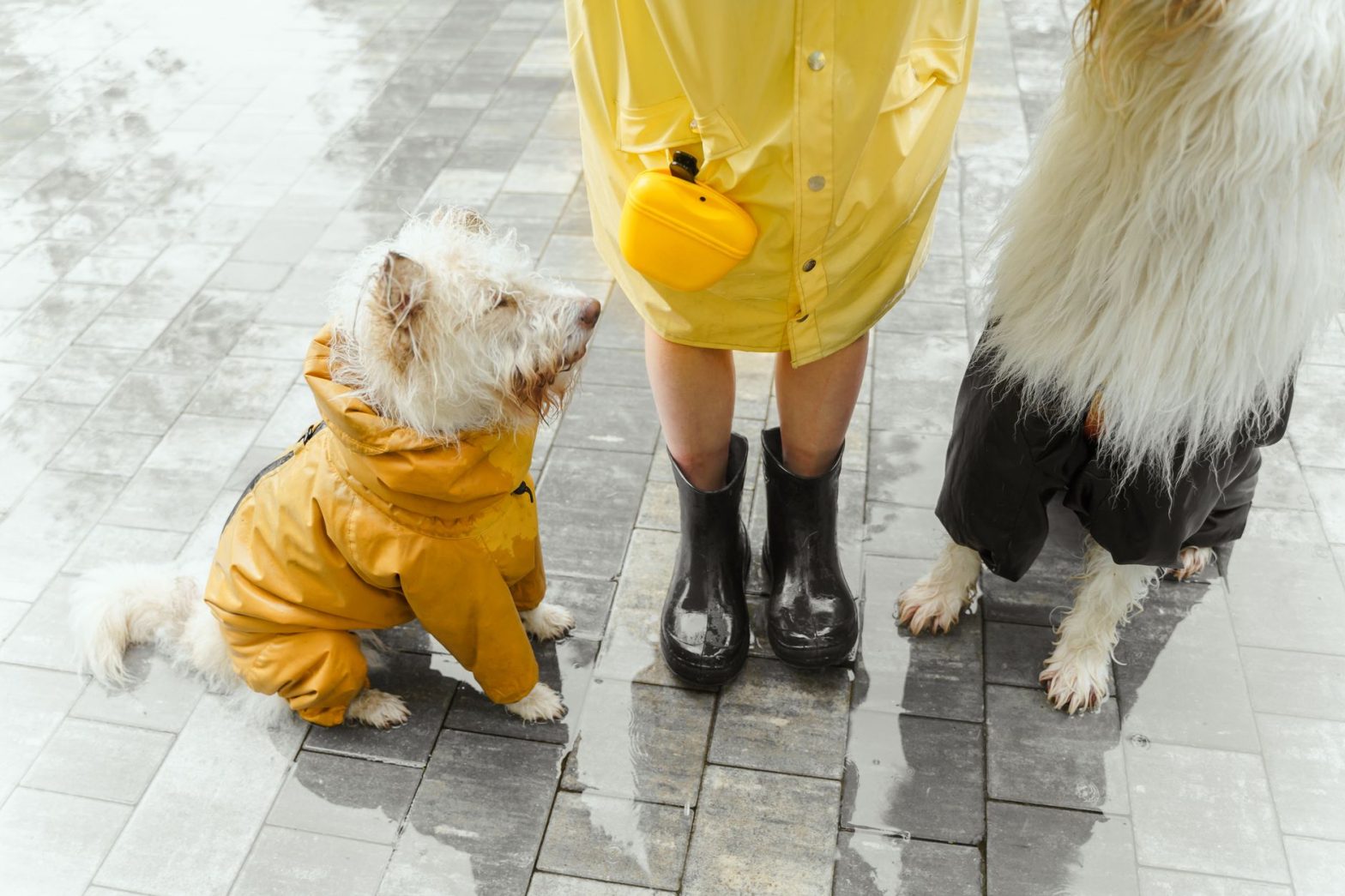
Dog safety gear includes any tool or accessory specifically designed to prevent injury, aid in recovery, or increase visibility while your dog is off-leash or traveling. Across my last 50 training sessions, I’ve worked with everything from escape-artist terriers to giant breeds, and the most common theme I notice is that owners often buy gadgets but overlook the fundamentals of gear fit. The best safety gear doesn’t just look good; it actively prevents specific risks based on your dog’s breed and environment.
⚡ In a Rush? Key Takeaways
- GPS trackers offer location precision within 2-10 meters in open conditions.
- High-visibility gear increases your dog’s night detection distance by over 300%.
- Properly fitted harnesses reduce neck strain risks by 50% compared to flat collars.
- Reflective gear is essential for the 45% of owners who walk during low light.
- ✅ Best overall investment: A high-quality GPS tracker paired with a harness.
What Are the Best Dog Safety Gear Options for Walks?
The best safety gear for walks includes front-clip harnesses, LED collars, and reflective leashes to ensure control and visibility.
Why Use a Front-Clip Harness for Safety?
Front-clip harnesses redirect momentum to prevent pulling and stop dogs from lunging toward dangerous road or traffic hazards.
When I work with reactive dogs, the front-clip harness is my go-to tool. By attaching the leash to the chest, you prevent your dog from hitting the end of the line with their full body weight.
This simple piece of gear prevents the mechanical stress that can lead to long-term joint pain. It effectively turns your dog back toward you when they attempt to bolt.
- Prevents shoulder joint strain during walks
- Redirects forward momentum instantly
- Distributes pressure across the chest
- Keeps the throat clear of tension
Is LED Gear Necessary for Night Walks?
LED collars and leash attachments are vital for low-light safety, allowing motorists to spot your dog from over 500 feet away.
Many of my clients admit they only start worrying about visibility after the sun sets. I have seen cars veer away simply because a dog was wearing a blinking LED collar.
It is not just about the driver; it is about keeping track of your dog in the brush. An LED collar makes off-lead recovery in a park much easier at night.
When Should You Use a Long Line?
Long lines allow dogs to explore safely in open areas while maintaining handler control, perfect for practicing reliable recalls.
A 15 to 30-foot lead provides the freedom most dogs crave without the risk of a true off-leash escape. It acts as a safety backup while you build training foundations.
If you need more help with leash manners, check out my guide on how to stop dog pulling. Proper training is the foundation of all safety.
How Can I Ensure My Dog Is Secure During Travel?
Safe travel requires crash-tested car harnesses, secured crates, or seat belt tethers to protect dogs during sudden stops or accidents.
Are Dog Car Harnesses Actually Safe?
Crash-tested car harnesses secure your dog to seat belts to prevent them from becoming projectiles during sudden traffic stops.
Not all car harnesses are created equal. You need a model that has been physically tested in a lab to ensure it holds up under the force of a collision.
Look for gear that connects to the car’s existing seat belt hardware. I always suggest pairing this with a sturdy travel seat cover to keep your dog contained.
Do Crates Provide Better Protection?
Secured, crash-tested crates provide the highest level of safety for dogs in cars by preventing impact with hard surfaces entirely.
If you have an anxious dog, a crate can also feel like a safer space. It minimizes their movement and keeps them away from windows during bumpy rides.
Ensure your crate is strapped down securely. A loose crate inside a vehicle is as dangerous as a loose dog during a sharp turn.
Which Safety Gear Helps Recover Lost Dogs?
GPS trackers and properly updated identification tags are the most reliable tools for recovering a dog that has gone missing.
How Do GPS Trackers Compare to Microchips?
GPS trackers offer active real-time location data, whereas microchips are passive tools used only when a dog is caught and scanned.
I tell every client that a microchip is for identity, but a GPS tracker is for location. You cannot recover a dog using a microchip alone.
When researching trackers, pay attention to the subscription cost and the cellular coverage in your area. You want a device that updates at least every 30 seconds.
What Identification Is Most Effective?
Modern digital ID tags with QR codes allow anyone who finds your dog to contact you instantly through a smartphone scan.
Always keep your contact information current. If you move or change your number, update those tags immediately or the gear is effectively useless.
For dogs that tend to escape, you might find my article on GPS collars for escape artists helpful.
Frequently Asked Questions
-
Do reflective collars prevent accidents?
Reflective collars significantly increase your dog’s visibility in car headlights, though they work best alongside an active LED light.
-
Are all harnesses escape-proof?
No, only specific multi-strap harnesses with belly bands are truly escape-proof for dogs that back out of standard equipment.
-
Should I use a muzzle for safety?
Muzzles are safe management tools for reactive dogs to prevent biting during stressful encounters, not punishment for bad behavior.
-
How often should I check my dog’s gear?
Check your dog’s collar and harness for signs of fraying or hardware wear at least once a month to prevent sudden failure.
Safety is a journey, not a destination. By layering your gear—using a harness for control, an LED light for visibility, and a GPS for backup—you give your dog the best protection possible. Stay consistent, keep your gear in good repair, and enjoy the peace of mind that comes with being prepared.
— Lucy Hartwell CPDT-KA, Certified Professional Dog Trainer