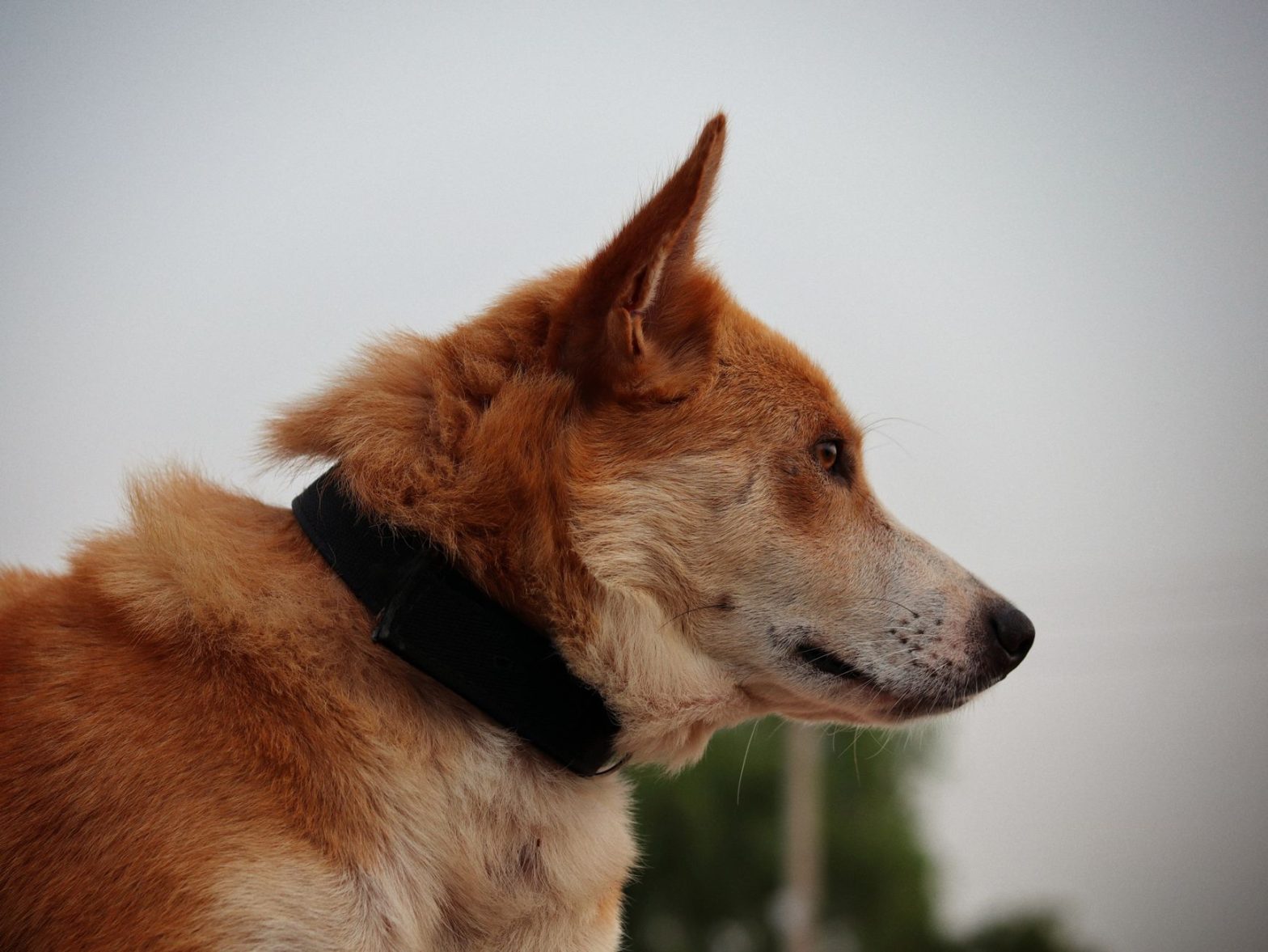
How Do You Choose the Best Dog Collar in 2026?
The best dog collar for 2026 prioritizes your dog’s neck safety, using non-toxic materials and secure, rust-resistant metal buckles.
Choosing a collar often feels overwhelming, but it boils down to matching the hardware to your dog’s specific personality. Across my last 50 training sessions, I’ve seen everything from broken plastic buckles on energetic Labradors to skin irritation from cheap, synthetic fabrics. Your dog’s collar is their primary identifier and your main point of control, so quality really does count.
⚡ In a Rush? Key Takeaways
- Standard flat collars should allow 2 fingers of space for 100% of breeds.
- Replace any plastic buckle showing scratches or stress marks after 6 months.
- For sighthounds, a martingale collar reduces neck pressure by up to 80%.
- Always choose stainless steel hardware if your dog spends time in water.
- My top recommendation for 2026 is a padded, reflective nylon flat collar.
Which Materials Are Safest for Your Dog’s Neck?
Safe dog collar materials include high-denier nylon, biothane, or soft-padded leather that prevent rubbing and avoid chemical allergens.
I always steer clients toward Biothane or padded nylon because they are incredibly easy to clean and don’t hold bacteria. Leather is beautiful but requires regular maintenance; if it gets soaked and isn’t dried properly, it can stiffen and chafe.
- Nylon: Lightweight and affordable for growing puppies.
- Biothane: Waterproof, smell-proof, and wipes clean instantly.
- Padded Leather: Durable and gentle, ideal for sensitive skin.
- Reflective Mesh: Best for low-light walks and visibility.
How Can You Ensure a Perfect Collar Fit?
A perfect collar fit means the band sits comfortably against the neck, allowing two fingers to slide underneath without any gaps.
Measuring isn’t just a one-time task; it’s a routine check. I remind clients to check the fit every time they brush their dog, as seasonal weight changes or even thick winter coats can shift the required setting.
If you are struggling with the transition to a new style, my guide on how to measure a dog for a harness often provides the same foundation for sizing a proper collar.
Which Collar Style Works Best for Your Dog’s Breed?
Flat collars suit most dogs, but martingale collars are best for escape artists and head-halters serve dogs needing more guidance.
Why Do Sighthounds Need Martingale Collars?
Martingale collars provide a secure fit for narrow-headed breeds, preventing escape by tightening gently without fully choking them.
I fit these on every whippet and greyhound I work with. Their necks are often thicker than their heads, meaning a standard flat collar slips off far too easily during a spooked retreat.
For more advice on managing dogs that tend to wiggle out of their gear, take a look at my tips for dogs that pull on the leash. Prevention is always the goal.
Are Head Collars Necessary for Heavy Pullers?
Head collars are training tools for heavy pullers, providing physical leverage to redirect movement during the learning process.
These should be used with a double-ended leash and professional guidance. They are not a permanent accessory, but rather a temporary way to help your dog learn how to walk by your side.
How Often Should You Replace Your Dog’s Collar?
Replace your dog’s collar every 12 to 18 months, or immediately if you notice frayed webbing, cracked buckles, or worn hardware.
What Are the Signs of Collar Wear and Tear?
Signs of wear include visible fraying, oxidation on metal rings, sticky buckle mechanisms, and loss of reflectivity on safety trim.
If your dog loves swimming, keep a close eye on the D-ring. Rust can weaken the integrity of the metal, leading to a catastrophic failure during a walk.
Why Should You Always Keep an ID Tag Attached?
ID tags provide immediate contact info for anyone who finds your lost dog, serving as your first line of defense for recovery.
Don’t rely solely on a microchip, as it requires a reader. A sturdy tag on the collar is the fastest way to get your dog home if they ever manage to escape.
Frequently Asked Questions
-
Should a dog wear a collar inside the house?
Many trainers suggest removing collars indoors to prevent the risk of snagging on crates, furniture, or during play with other dogs.
-
Can collars cause thyroid issues in dogs?
Chronic pressure from a poorly fitted or constantly pulled-on collar may cause neck strain, though thyroid link research is ongoing.
-
Are rolled leather collars better for long-haired dogs?
Yes, rolled leather collars help prevent the matting and coat breakage often caused by the edges of traditional flat webbing collars.
This FAQ section covers common concerns about collar safety, material durability, and choosing the right fit for your unique pup.
If you’re still deciding which path is best, you can explore the mobility and support accessories I recommend for older dogs who might need more specialized gear. Always remember, the best accessory is one that keeps your best friend safe and comfortable. — Lucy Hartwell CPDT-KA, Certified Professional Dog Trainer