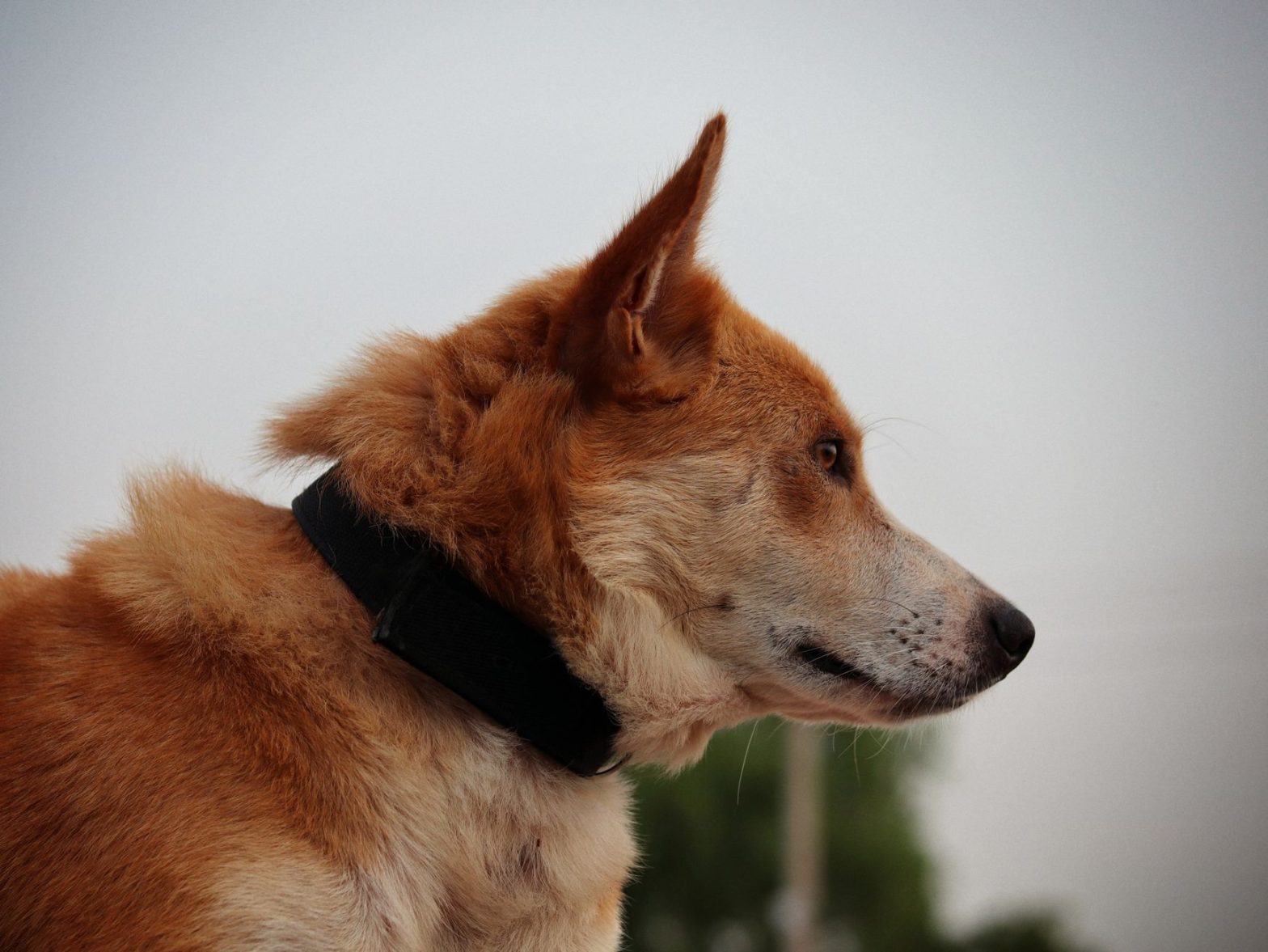
A dog collar is the most essential piece of equipment your dog will wear, serving as a primary attachment point for identification and leash control. Finding the right one involves balancing the specific needs of your dog’s breed, temperament, and daily activity level.
⚡ In a Rush? Key Takeaways
- Standard flat collars should allow exactly two fingers of space for safety.
- Martingale collars reduce escape risks for sighthounds by up to 90% when fitted.
- Replace any collar showing frayed stitching or worn buckles at least every 12 months.
- ✅ Best all-around pick: A high-quality nylon flat collar with reflective trim.
Which type of dog collar is best for your dog?
The best collar depends on your dog’s breed and behaviour, with flat, martingale, and head collars serving different specific needs.
What are the benefits of a standard flat collar?
Standard flat collars provide a comfortable and secure way to display identification tags for everyday use and routine walks.
Flat collars are the industry standard for a reason. They are lightweight, come in countless materials, and are generally non-intrusive for most dogs.
Across my training sessions, I’ve found that nylon is the most durable material for active dogs. If your dog prefers to swim, quick-dry webbing is a much better choice than leather.
Why choose a martingale collar for escape artists?
Martingale collars tighten gently under tension to prevent dogs with narrow heads from backing out of their collar during walks.
I frequently recommend martingale collars for breeds like Greyhounds, Whippets, and Collies. They provide security without the constant choking sensation of a slip chain.
- Prevents backing out of the collar
- Distributes pressure evenly around the neck
- Gentler than traditional choke chains
- Available in both fabric and metal chain loop styles
What are head collars and when should you use them?
Head collars, such as the Gentle Leader or Halti, fit around the dog’s muzzle and neck to give handlers greater steering control without pressure on the throat.
These collars work by applying gentle pressure behind the ears and on the nose, encouraging the dog to follow the handler’s direction. They are especially useful for strong pullers or dogs that are reactive on leash.
Proper fitting is crucial: the neck strap should sit high behind the ears, and the nose loop should be loose enough to allow the dog to open its mouth but tight enough to prevent slipping off. Introduce the head collar gradually with positive reinforcement to avoid aversion.
How do I find the correct collar size?
The correct collar size is determined by measuring your dog’s neck and ensuring you can fit two fingers beneath the strap easily.
How do you measure a dog’s neck for a collar?
Measure the base of the dog’s neck using a soft tape measure, keeping it snug but not tight against the dog’s fur and skin.
Don’t rely on your dog’s old collar as a measurement reference, as buckles can stretch over time. Use a fabric tape measure to get an accurate reading.
If you don’t have a soft tape measure, use a piece of string and then measure that against a standard ruler. This simple fitting process saves so much frustration later.
What should I look for in collar hardware?
High-quality collars should feature stainless steel D-rings and durable plastic or metal buckles that can withstand sudden tension.
I always look for welded D-rings rather than those with a visible seam. Seams are weak points that can snap under the pressure of a lunging dog.
Are there safety considerations for dog collars?
Safety hinges on regular inspection for wear and ensuring the collar isn’t too loose to get caught on crates or furniture items.
When should you remove your dog’s collar?
Remove the collar when your dog is crated or playing with other dogs to prevent snagging risks and accidental injury hazards.
It sounds simple, but a collar caught on a crate latch can be a dangerous situation. Always check your dog’s gear for loose threads that could catch on things.
How often should you replace a dog collar?
Inspect collars every three months and replace them annually or immediately if you spot frayed fabric, rust, or broken buckles.
Even if a collar looks fine, the internal integrity of the nylon can weaken over time. Check our senior dog care guide for more tips on long-term safety.
Frequently Asked Questions
-
Can I leave a collar on my dog 24/7?
Most trainers suggest removing collars indoors to prevent matting of the fur and potential accidents involving household furniture.
-
Are leather collars better than nylon?
Leather is durable and aesthetically pleasing but requires maintenance; nylon is easier to clean and ideal for high-activity dogs.
-
How do I stop my dog from scratching their collar?
Ensure the collar isn’t too loose or tight, and check for hidden skin irritation or allergic reactions to the collar material.
Choosing a collar is a small decision that impacts your dog’s safety every single day. Take the time to measure correctly and inspect the gear often to keep your best friend secure.
— Lucy Hartwell CPDT-KA, Certified Professional Dog Trainer