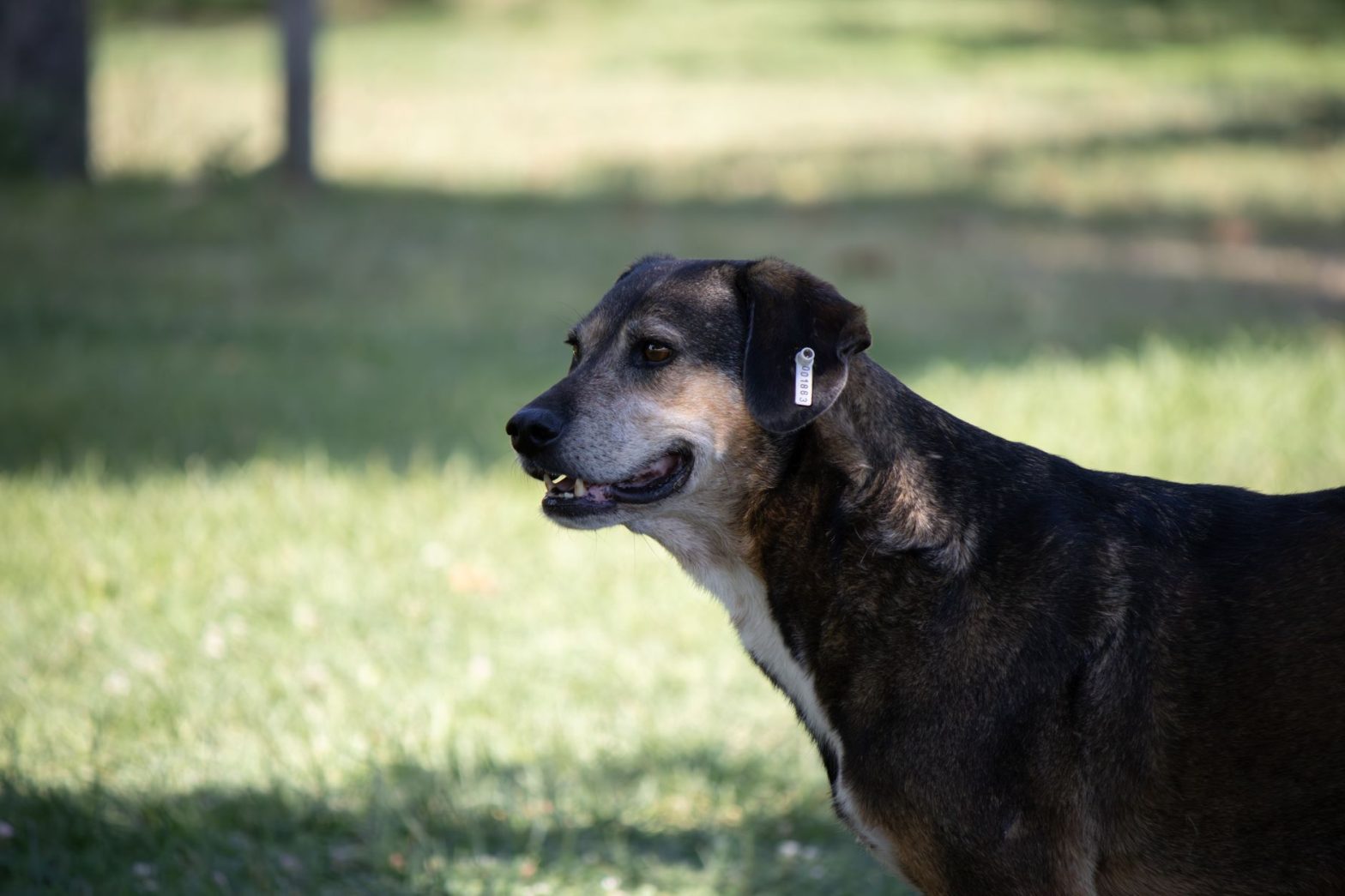
What makes a pet ID tag essential for your dog’s safety?
A pet ID tag provides immediate contact information to anyone who finds your wandering dog, significantly increasing the odds of a reunion.
⚡ In a Rush? Key Takeaways
- Stainless steel tags last 5+ years without losing readability compared to aluminum.
- Over 80% of dogs found with an ID tag are returned home within 24 hours.
- Always include your phone number and secondary contact on the tag surface.
- ✅ Best overall durability: Red Dingo stainless steel tags withstand heavy wear.
I have spent years training dogs and managing their gear, and if there is one thing I’ve learned, it’s that basic identification is non-negotiable. Whether your dog is a professional escape artist or a calm walker, an ID tag is the first line of defense if they slip their collar. Across my last 50 training sessions, I’ve seen that owners often prioritize flashy designs over legibility, which is a dangerous trade-off during a crisis.
A well-chosen tag doesn’t just display a name; it needs to be readable at a glance. Most people find themselves frantically searching for their dog after an accidental gate opening or a loud noise spook. Having a tag that won’t rust or fade is why I steer my clients toward specific high-grade materials like stainless steel or brass. If you are preparing for adventures, check out my guide on essential outdoor dog gear to ensure your travel kit is as complete as your safety protocols.
Which materials are best for long-term durability?
Stainless steel and brass offer superior durability, resisting corrosion and scratching that degrades cheap aluminum over time.
Why is stainless steel the gold standard?
Stainless steel provides maximum resistance to rust and oxidation, ensuring your contact details remain clear for many years of use.
I’ve tested dozens of tags, and stainless steel remains the leader for its sheer toughness. It doesn’t corrode when your dog decides to jump into a lake or roll in the mud. For an active dog, this material is worth the extra investment.
- High resistance to water and salt exposure
- Deep, permanent engraving that won’t fade
- Sturdy rings that resist bending under tension
- Easy to clean with standard household soap
What are the benefits of choosing brass?
Brass tags develop a unique patina over time while maintaining structural integrity, making them excellent for a classic, heavy look.
Brass is a softer metal, but it is incredibly resilient against environmental elements. It doesn’t rust, and if it gets scratched, the damage usually adds character rather than obscuring the text. I recommend this for dogs that prefer a slightly heavier feel on their collar.
How should you engrave your pet ID tag?
Engraving should prioritize your current phone number and location, ensuring the information remains legible after years of wear.
What information is strictly necessary on a tag?
You must include your primary phone number and city, while the dog’s name is optional but helpful for an easier first connection.
Some owners love putting their dog’s address on the tag, but I suggest focusing on a phone number you answer immediately. If you are worried about security, a secondary contact number or an out-of-town relative’s number is a smart addition. For dogs with specific health needs, you can find specialized gear that might better signal medical conditions.
| Info Type | Importance |
|---|---|
| Phone Number | Critical |
| Secondary Contact | High |
| Dog’s Name | Moderate |
| Home Address | Optional |
How does laser engraving compare to stamping?
Laser engraving offers precise, high-contrast text that stays readable much longer than traditional physical stamping methods.
Modern laser technology has changed the game for readability. Unlike older stamped tags that can become blurry after rubbing against the collar ring, laser-etched letters stay sharp. It is the specific feature I look for when buying tags for my own dogs, including my Beagle, Biscuit.
Frequently Asked Questions
-
Should I use a collar-mounted tag or a hanging tag?
Hanging tags are easier to read for strangers, while slide-on collar-mounted tags are silent and less likely to snag on objects.
-
Are digital QR code tags better than traditional tags?
QR code tags allow you to update info instantly, but they require a smartphone and cell service to work during a recovery.
-
How often should I check my dog’s ID tag for wear?
You should inspect the tag for legibility and the ring for signs of metal fatigue every three months during routine grooming.
-
Can I get free pet ID tags in the US?
Some local animal shelters or pet supply stores provide basic tags, but these often lack the durability of custom-engraved ones.
-
How can I reduce the noise from my dog’s ID tag?
Using tag silencers or choosing a low‑profile tag design minimizes the jingle that can annoy both dogs and owners.
Metal tags hanging from a collar can create a constant clinking sound, which some dogs find stressful and which can be irritating during quiet walks or at night. Simple solutions include rubber or silicone tag silencers that slide over the split ring, absorbing impact and muffling the noise. These accessories are inexpensive, come in various colors to match the tag, and do not interfere with readability.
Another approach is to opt for a slide‑on or riveted tag that sits flat against the collar, eliminating the hanging gap altogether. While these styles may require a slightly larger collar width, they provide a silent ID solution that is especially useful for dogs that are noise‑sensitive or for owners who prefer a quieter walk.
Remember that even with the best tag, your training routines play a huge role in preventing escapes. Always double-check your gate latches and keep your contact info updated. — Lucy Hartwell CPDT-KA, Certified Professional Dog Trainer