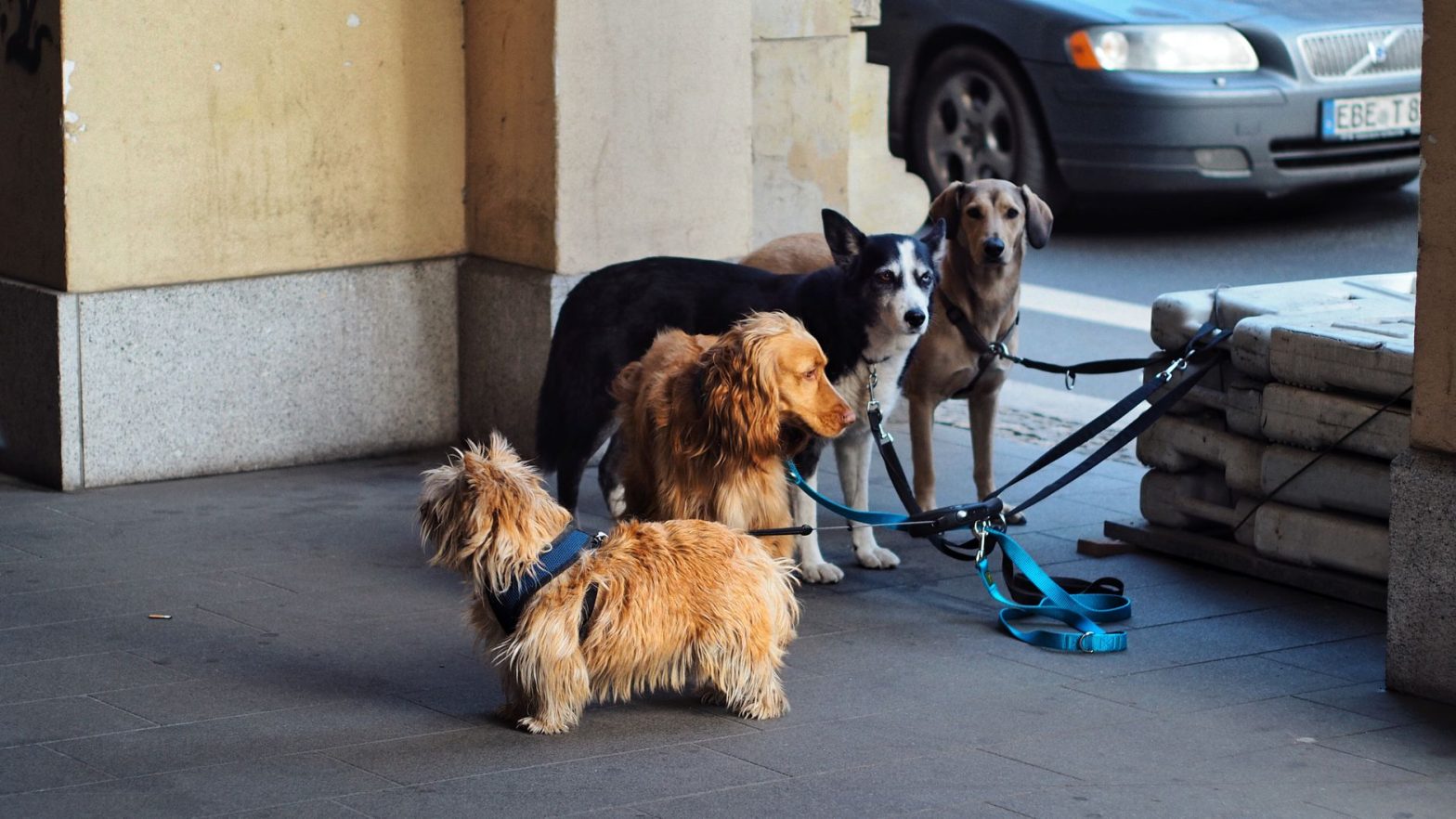
The best dog leash for your daily walks is a fixed-length lead made from durable nylon or leather that measures between four and six feet long. This length provides the ideal balance of control for training and safety in urban environments while preventing the dangerous habits often encouraged by retractable cords.
⚡ In a Rush? Key Takeaways
- Fixed 6-foot leashes are 80% safer for traffic management than retractable models.
- Waterproof leashes like Biothane require 0 minutes of maintenance after muddy hikes.
- Front-clip no-pull harnesses work best with a standard double-ended training lead.
- Reliable hardware should withstand at least 300lbs of force for medium-sized breeds.
- Verdict: A 6-foot braided nylon lead is the best all-around tool for most dog owners.
Which type of dog leash is safest for daily walks?
The safest daily leash is a 6-foot non-retractable lead with a locking carabiner, which prevents accidental escapes in traffic.
Why should you avoid retractable leashes?
Retractable leashes teach dogs to pull for freedom and frequently fail, causing rope burns or snap-back injuries to the owner.
Across my last 50 training sessions, I have seen more emergency situations caused by retractable leashes than any other piece of gear. When a dog reaches the end of the line, the sudden jerk can snap the internal spring or cause the cord to cut into your hand if you try to grab it.
A static lead keeps your dog within your immediate sphere of control. This is vital when navigating busy sidewalks or traveling with your dog on public trails.
- Prevents “leash tension” behaviour rewards
- Eliminates mechanical failure points of plastic casings
- Allows for better “loose leash” training consistency
- Reduces the risk of cord entanglement with other dogs
What length is best for standard training?
A 6-foot leash is the gold standard for obedience training, offering enough freedom for sniffing while maintaining handler control.
I always tell my clients that four feet is often too short for a casual sniff, while anything over eight feet is difficult to manage. A six-foot length allows your dog to walk beside you without the leash becoming taut.
What are the best materials for a durable dog leash?
Biothane offers waterproof, odour-proof durability, while traditional leather provides the best grip and strength for heavy pullers.
Is Biothane better than nylon for wet weather?
Biothane is superior for wet weather because it does not absorb moisture, preventing the heavy, soggy mess of wet nylon leads.
If you live in a rainy climate or have a dog who loves swimming, Biothane is a game-changer. It feels like soft leather but can be wiped clean with a single paper towel after a muddy hike.
Nylon, while cheaper, tends to trap grit and smells over time. If you do choose nylon, look for “tubular webbing” which is softer on the hands during those inevitable moments your dog decides to chase a squirrel.
How do you maintain a leather dog leash?
Leather leashes require annual conditioning with a high-quality leather balm to prevent the material from drying out and cracking.
Leather is the most comfortable material for your hands and offers a natural grip that synthetic materials lack. With regular care, a quality leather leash can last for the entire lifespan of your dog.
| Material | Waterproof? | Grip | Maintenance | Best For |
|---|---|---|---|---|
| Biothane | Yes | Moderate (similar to leather) | Wipe clean; no conditioning | Wet climates, swimmers, low‑maintenance |
| Nylon (tubular webbing) | No (absorbs water) | Good, soft on hands | Machine washable; check for fraying | Everyday walks, budget‑friendly |
| Leather | No (needs treatment) | Excellent, improves with age | Annual conditioning with balm | Heavy pullers, premium feel |
| Rope (polypropylene) | No (can mildew if wet) | Very good, natural texture | Rinse and air dry; avoid prolonged soak | Outdoor adventures, grip‑focused |
How do you choose the right leash for reactive dogs?
Reactive dogs require a durable, double-handled lead or a short traffic lead to provide immediate control during high-stress moments.
Why use a leash with a traffic handle?
A traffic handle is a secondary loop near the clip that allows you to pull your dog close to your leg instantly in emergencies.
If you are working through reactivity, you need gear that responds as quickly as you do. A traffic handle removes the need to “hand-over-hand” the leash to shorten it.
Pairing this with a solid harness for reactive dogs ensures your dog stays at your side rather than lunging out into the street.
What is a double-ended training lead?
A double-ended lead features two clips, allowing you to connect one to a front-clip harness and one to a back-clip harness for steering.
Frequently Asked Questions
-
Are rope leashes better than flat webbing?
Rope leashes are excellent for grip and durability, though they can be heavier and bulkier than standard flat nylon webbing leads.
-
How often should you replace a worn leash?
Replace any leash showing fraying, loose stitching, or a stiffening carabiner, as these are clear signs of structural failure.
-
Can I use a slip lead as a primary leash?
Slip leads should only be used by experienced handlers for short-term control, as they can cause tracheal damage if pulled hard.
— Lucy Hartwell CPDT-KA, Certified Professional Dog Trainer