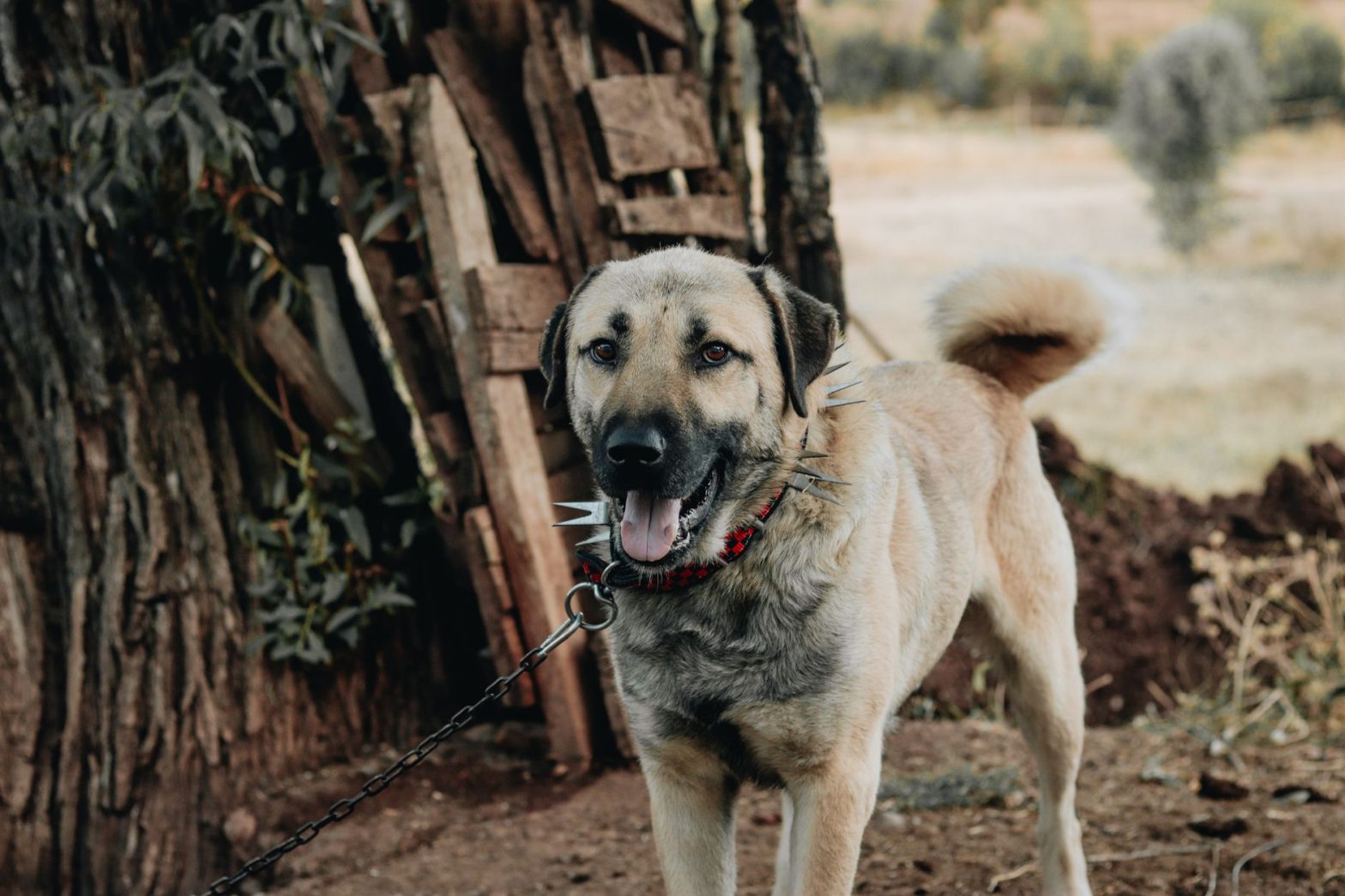
Anti-bark collars are devices designed to deter excessive vocalization through automatic stimulus, though their effectiveness varies based on the dog’s temperament. They act as a management tool that interrupts barking, but they do not address the underlying emotional cause of the behaviour.
⚡ In a Rush? Key Takeaways
- Roughly 60% of dogs show a reduction in barking with consistent, correct collar use.
- Avoid shock collars if your dog has anxiety, as fear increases vocalization by 40%.
- Use pheromone-based calming collars as a first step for stress-related barking.
- ✅ Best approach: Combine positive reinforcement training with environmental management tools.
How Do Different Types of Anti-Bark Collars Actually Work?
Bark collars use vibration, ultrasonic sound, or citronella spray to discourage barking by providing an immediate, neutral deterrent.
Are Ultrasonic Bark Collars Safe for Sensitive Dogs?
Ultrasonic collars emit a high-frequency sound only audible to the dog, serving as a non-invasive deterrent for mild barking issues.
In my training sessions, I find these units work best for dogs that respond to subtle environmental changes. They avoid physical contact, which keeps the dog’s stress levels lower compared to more intense collars.
However, they often fail if your household has multiple dogs. The sound may trigger or confuse a dog who isn’t even the one barking.
- Requires a quiet environment to function correctly.
- Safe for small breeds and elderly dogs.
- Limited range of effectiveness (usually 6-10 feet).
- No physical correction or discomfort involved.
Do Citronella Collars Effectively Stop Nuisance Barking?
Citronella collars release a harmless burst of scent upon detecting a bark, interrupting the dog through a mild sensory distraction.
This method is highly effective for many breeds because it uses a scent that dogs naturally dislike. It feels less aggressive than electric stimulation, making it a popular choice for pet parents who are uneasy about shock products.
I recommend checking the refill canisters frequently, as nothing is more frustrating than a device that stops working mid-training session. Always ensure the collar is fitted snugly to prevent the mist from missing the target area.
Are Vibration Collars Suitable for Training High-Energy Dogs?
Vibration collars provide a tactile sensation that alerts the dog to stop barking without using sound or chemical-based deterrents.
These are excellent for working breeds that are easily distracted by noise but sensitive to touch. They provide a clear, non-painful signal that acts like a gentle tap on the shoulder during a conversation.
Can Ultrasonic Bark Collars Affect a Dog’s Hearing?
While ultrasonic collars emit frequencies above human hearing, prolonged exposure may still impact canine auditory health.
Research on dogs’ hearing sensitivity suggests that frequencies between 20-25 kHz are within their audible range, and repeated high-intensity bursts could lead to temporary threshold shifts.
To mitigate risk, choose collars with adjustable intensity and limit use to short training sessions, monitoring for signs of ear discomfort such as head shaking or pawing at ears.
Why Do Most Bark Collars Fail to Fix Separation Anxiety?
Bark collars only manage noise and do not treat the underlying panic, often making separation anxiety worse by causing more stress.
Why Does Punishment Often Increase Vocalization in Anxious Dogs?
Punishment-based collars increase cortisol levels in anxious dogs, which can lead to escalating vocalization and destructive habits.
When a dog is barking because they are afraid or lonely, they are in a state of distress. Adding a negative stimulus, like a shock or loud noise, increases their heart rate and anxiety.
If you suspect your dog has separation issues, explore our guide on crates for separation anxiety to create a safer space. Addressing the root cause is always more sustainable than silencing the symptom.
What Are Better Alternatives for Anxious Barkers?
Environmental enrichment and white noise machines offer effective ways to reduce anxiety-driven vocalization without physical correction.
| Method | Effectiveness | Effort Level |
|---|---|---|
| Puzzle Toys | High | Low |
| White Noise | Moderate | Very Low |
| Training | Very High | High |
How Can You Properly Use Pheromones to Aid Training?
Pheromone collars and diffusers mimic natural calming signals, helping reduce the baseline arousal levels that trigger vocalization.
These are fantastic tools for multi-dog households where excitement levels run high. You can also explore calming beds for anxious dogs to support your training efforts.
What Should You Look for Before Buying an Anti-Bark Collar?
Look for adjustable sensitivity, waterproof construction, and multiple stimulus levels to ensure the device suits your dog’s needs.
How Do You Choose the Right Size for Your Breed?
Choose a collar with adjustable straps and lightweight sensors to ensure your dog remains comfortable during everyday movement.
Weight and fit are critical. A bulky sensor on a small neck causes chafing and alters the dog’s gait. You can use our guide on measuring your dog to ensure you pick a size that won’t restrict their breathing.
Why Does Battery Life Matter in Bark Training?
Consistent performance relies on stable battery life, as an intermittent device causes confusion and halts your training progress.
Frequently Asked Questions
-
Can a bark collar permanently damage a dog’s personality?
Aversive collars can induce fear, potentially causing your dog to become timid, aggressive, or withdrawn if used improperly over time.
-
Should I use an anti-bark collar on a puppy?
Puppies should not use bark collars, as they need positive reinforcement to learn communication skills during their developmental phase.
-
How long should a dog wear an anti-bark collar daily?
Never leave a collar on for more than 8 to 10 hours to prevent pressure sores and ensure the dog has breaks from the device.
Ultimately, a bark collar is a temporary management aid, not a replacement for clear training and emotional support. — Lucy Hartwell CPDT-KA, Certified Professional Dog Trainer