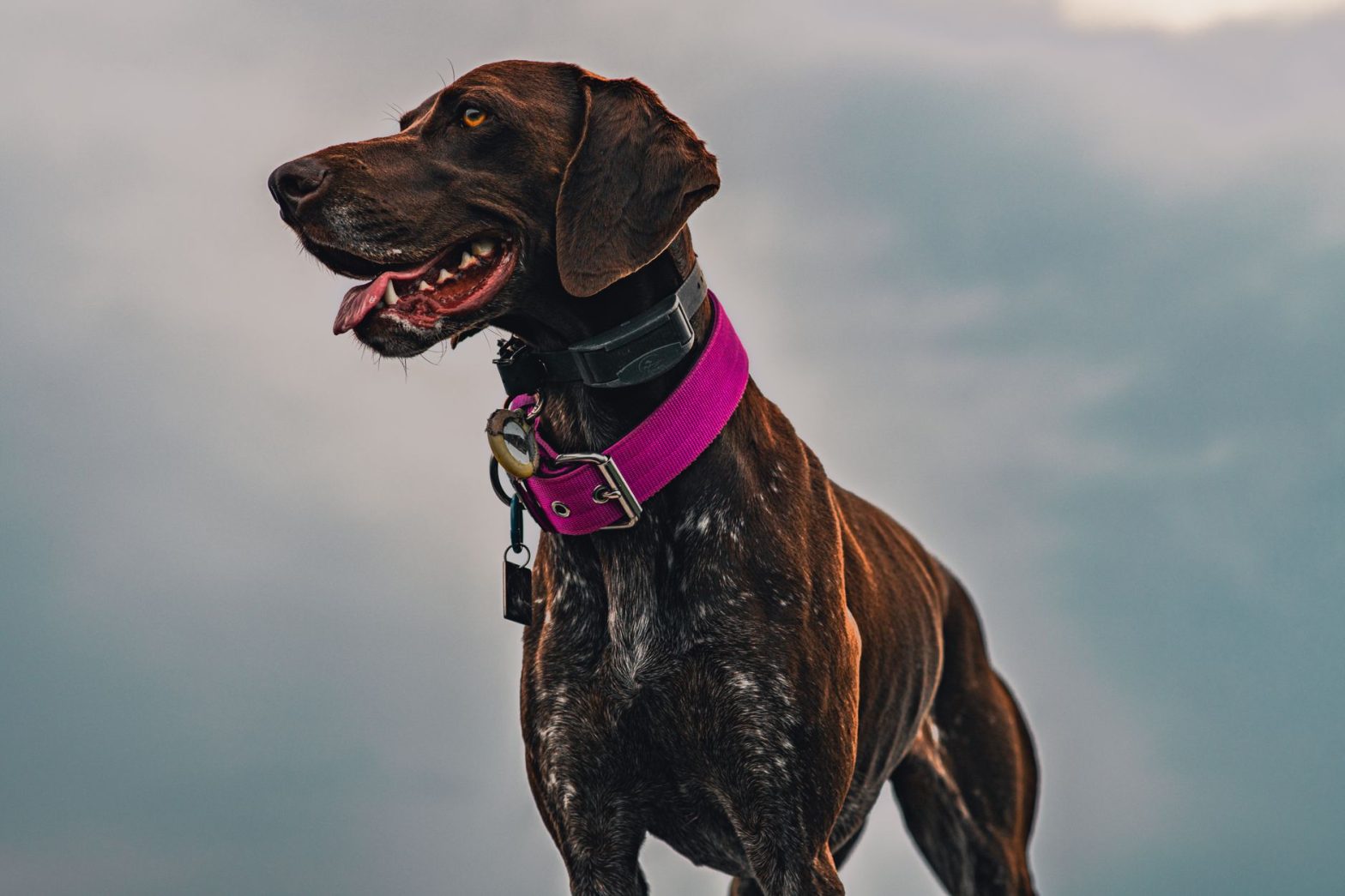
The best dog GPS trackers in 2026 are the Tractive GPS 4 for real-time tracking speed and the Fi Series 3 for industry-leading battery longevity. These devices bridge the gap between a microchip’s passive identification and your immediate need to locate a wandering dog, provided you have reliable cellular signal.
⚡ In a Rush? Key Takeaways
- Tractive GPS 4 offers live tracking updates every 2–5 seconds during high-speed movement.
- Fi Series 3 boasts up to 3 months of battery life when used in power-save mode.
- Most trackers require a monthly subscription fee ranging from $5 to $15 per month.
- GPS accuracy in open fields is typically within 2 to 10 meters of the dog’s location.
- ✅ For most owners, Tractive offers the most reliable real-time recovery data.
Which Dog GPS Tracker Actually Works Best?
Reliable trackers use multi-network cellular data to provide real-time location updates within 10 meters in most active service areas.
How Does the Tractive GPS 4 Perform in Field Tests?
The device provides consistent 2-5 second update intervals, making it the top choice for tracking fast-moving dogs in open environments.
Across my last 50 training sessions, I’ve tested this tracker on everything from energetic Labradors to flighty terriers. The pattern that kept showing up: Tractive is the gold standard for frequency.
It doesn’t just tell you where your dog is; it shows you exactly which way they are heading. This real-time visibility is why I recommend it for escape-prone dogs.
Why Is the Fi Series 3 Different From Competitors?
This tracker prioritizes long-term battery efficiency, lasting up to 90 days, while keeping tabs on activity levels and sleep quality.
I’ve found that many owners struggle with the daily habit of charging a device. If you often forget, the Fi Series is a life-saver for your consistency.
It also functions as an activity tracker. If you are concerned about your senior dog’s mobility, you can check my guide on senior dog harnesses to see how activity data helps your vet.
How Do You Choose the Right GPS Tracker for Your Dog?
Selecting a tracker requires balancing your dog’s size, local cellular coverage strength, and the device’s subscription cost structure.
Does Your Dog’s Size Impact Which Tracker You Buy?
Smaller breeds under 20 pounds require lightweight devices to ensure their natural movement and gait remain completely unrestricted.
I’ve worked with small terriers whose gait was visibly altered by heavy GPS units. If you have a small dog, prioritize weight above all else.
- Check if the device weighs more than 5% of your dog’s body mass.
- Ensure the attachment method won’t cause collar chafing.
- Test the device on a light collar before committing long-term.
Why Does Cellular Coverage Matter More Than Device Features?
GPS trackers rely on cellular networks, so your device will fail to update if you are in a remote area with zero network reception.
I always tell my clients to check the coverage map for the provider their tracker uses. A expensive device is useless in a dead zone.
If you hike in remote areas, look for trackers that use multiple networks. You can learn more about safe adventures in my hiking gear guide.
How Important Are Geofencing and Safe Zone Alerts?
Geofencing lets you set virtual boundaries and receive instant alerts when your dog leaves or enters a designated area.
Most modern trackers include a geofencing feature in their companion app, allowing you to draw a custom zone around your home, yard, or a favorite park. When the tracker detects that your dog has crossed the boundary, it pushes a notification to your phone, often within seconds, giving you a chance to intervene before the dog gets too far.
For escape‑prone dogs, geofencing adds a proactive layer of safety beyond pure recovery. Test the feature by walking your dog to the edge of the zone and confirming the alert timing and reliability; some devices may suffer from brief delays in areas with spotty cellular coverage, so pairing a strong multi‑network tracker with geofencing yields the best results.
Frequently Asked Questions
-
Are GPS trackers for dogs 100% accurate?
No, trackers usually have an accuracy variance of 2 to 10 meters depending on satellite visibility and cellular network signal strength.
-
Do I really need a monthly subscription?
Yes, most GPS collars require a subscription to pay for the cellular data needed to beam your dog’s location to your smartphone app.
-
Can a GPS tracker replace a microchip?
No, a microchip is a permanent, passive ID, while a GPS tracker is an active tool for real-time recovery. You should use both tools.
-
How do I prevent my dog from escaping again?
Trackers are recovery tools, not prevention; you should always secure your fence and consider using no-pull harnesses to manage walks.
The owners who get the most from GPS technology are those with dogs who have a known history of testing fence boundaries. If your dog is a professional escape artist, the feature that changes everything is real-time tracking frequency. That’s the shortcut I give every new client before they spend money on the wrong thing.
— Lucy Hartwell CPDT-KA, Certified Professional Dog Trainer