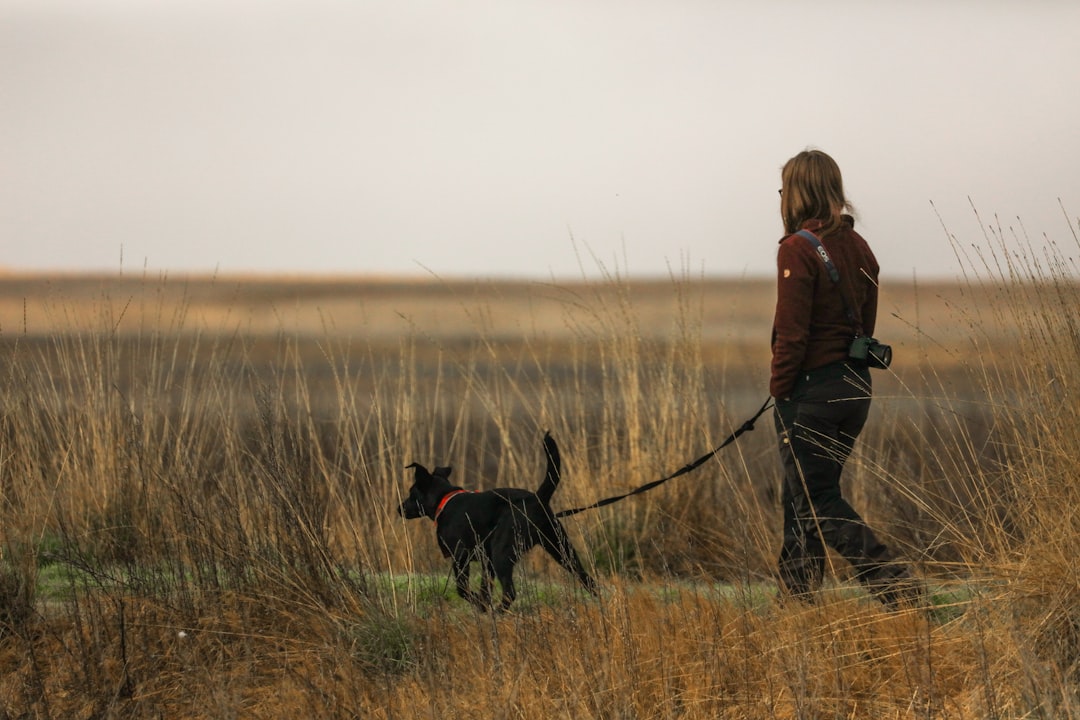
Are standard dog harnesses making your dog’s anxiety worse?
Many dog owners find that a regular harness simply doesn’t cut it when dealing with an anxious dog. A harness that’s too tight, difficult to put on, or doesn’t provide enough security can exacerbate anxiety. Finding the right harness can transform stressful walks into enjoyable outings for both you and your dog.
What features make for an anxiety-reducing dog harness?
Look for harnesses with these key features:
- Comfortable fit: Soft, padded materials prevent chafing and pressure points.
- Easy on/off design: Minimizes stress during the harnessing process.
- Secure and snug: Prevents escape attempts by dogs prone to bolting.
- Front-clip option: Offers better control and redirects pulling, reducing anxiety related to feeling overwhelmed.
As a dog owner, I’ve seen firsthand how the right harness can make a world of difference. My own rescue dog, Barnaby, used to tremble at the sight of his old harness. Switching to a softer, more secure option changed our walks completely. Let’s look at some top harnesses designed to reduce anxiety!
Best Calming Dog Harnesses for Anxious Dogs: Top Picks
These harnesses are carefully selected to provide comfort, security, and ease of use for dogs experiencing anxiety during walks.
1. Comfort Canine Calming Harness: Best Overall
The Comfort Canine Calming Harness provides a secure and snug fit that helps anxious dogs feel more secure. Many owners report that the soft padding and easy adjustability make it a favorite for dogs who are easily stressed by walks.
- Pros:
- Soft padding for comfort
- Easy to adjust and put on
- Secure fit minimizes escape risk
- Cons:
- May not be suitable for very strong pullers
- Sizing can be tricky, so measure carefully
2. SootheStride Anxiety Relief Harness: Premium Choice
The SootheStride harness is designed with premium materials and incorporates a unique, calming pressure system. This system applies gentle pressure to specific points on the dog’s body, which can help to reduce anxiety. Owners praise its durability and effectiveness, particularly for dogs with moderate to severe anxiety.
- Pros:
- Calming pressure system for anxiety relief
- Durable, high-quality materials
- Adjustable straps for a custom fit
- Cons:
- Higher price point than other options
- Some dogs may need time to adjust to the pressure system
3. Secure & Serene Escape-Proof Harness: Best for Escape Artists
For dogs that are prone to slipping out of their harnesses, the Secure & Serene harness is a game-changer. It features a double-clip system and extra padding to ensure a secure and comfortable fit. Its robust design makes it ideal for anxious dogs who tend to panic and try to escape during walks. It’s worth reading our article on the best escape-proof dog harnesses for more options.
- Pros:
- Double-clip system for extra security
- Padded for comfort
- Highly effective at preventing escapes
- Cons:
- Can be a bit bulky on smaller dogs
- May require more time to adjust initially
4. Gentle Embrace Comfort Harness: Best for Small Anxious Dogs
The Gentle Embrace Comfort Harness is specifically designed for smaller breeds that experience anxiety. It’s lightweight, soft, and easy to put on, minimizing stress for both the dog and the owner. The harness distributes pressure evenly, preventing discomfort and making it a great choice for daily walks. Speaking of small dogs, you might find our guide to thebest dog harnesses for small dogs that pull helpful.
- Pros:
- Lightweight and comfortable for small dogs
- Easy to put on and take off
- Even pressure distribution
- Cons:
- Not suitable for larger or stronger dogs
- Less durable than some other options
5. Tranquil Trek No-Pull Harness: Best for Anxious Dogs That Pull
The Tranquil Trek No-Pull Harness combines the benefits of a no-pull design with features that help reduce anxiety. The front-clip attachment redirects the dog’s attention, making it easier to manage pulling while also reducing stress. Padded straps and a secure fit ensure comfort and prevent escape. If pulling is a major issue, be sure to check out our article on the best no-pull dog harnesses that actually work.
- Pros:
- Front-clip design for no-pull control
- Padded straps for comfort
- Reduces pulling and anxiety
- Cons:
- Some dogs may take time to adjust to front-clip design
- Requires proper fitting to be effective
What to Look for When Buying a Harness for an Anxious Dog
Choosing the right harness involves considering several factors that cater specifically to your dog’s anxiety and comfort needs.
Comfort and Padding
Opt for harnesses made with soft, breathable materials such as fleece or neoprene to minimize chafing and skin irritation. Padding is particularly important around the chest and neck areas, where harnesses tend to rub. A well-padded harness can significantly reduce discomfort, making your dog more willing to wear it.
Fit and Adjustability
A snug but not restrictive fit is crucial for both comfort and security. Look for harnesses with multiple adjustment points to customize the fit to your dog’s unique measurements. Ensure that the harness does not impede your dog’s range of motion or cause pressure on sensitive areas. Use our dog harness size calculator to estimate the correct size before purchasing.
Easy On/Off Design
Anxious dogs can become more stressed if the harnessing process is complicated or lengthy. Choose a harness with a simple, easy-to-use design, such as those with quick-release buckles or step-in styles. A harness that can be put on and taken off quickly minimizes handling and reduces anxiety.
Security Features
Security is paramount for anxious dogs who may try to escape when frightened. Look for harnesses with features such as double-clip systems, secure buckles, and durable materials. A harness that fits snugly and securely reduces the risk of your dog slipping out during a walk.
Front vs. Back Clip Options
Both front and back clip harnesses have their benefits, but for anxious dogs, a front-clip harness can be particularly helpful. Front-clip harnesses redirect the dog’s attention when they pull, making it easier to manage and control their movements. This can reduce anxiety by preventing them from feeling overwhelmed.
Material and Durability
Choose a harness made from high-quality, durable materials that can withstand daily wear and tear. Reinforced stitching and sturdy buckles ensure that the harness will hold up over time, providing consistent security and comfort for your dog. Be sure it fits the correct breed type, too. If you own a French bulldog, also read our article on the best harnesses for French bulldogs and flat-faced breeds.
How to Introduce a New Harness to Your Anxious Dog
Introducing a new harness to an anxious dog requires patience and positive reinforcement.
Step 1: Familiarization
Start by letting your dog sniff and examine the new harness. Place it on the floor and allow them to approach it at their own pace. Reward them with treats and praise for showing interest in the harness.
Step 2: Gradual Introduction
Once your dog is comfortable with the harness, start gently placing it on their body for short periods. Begin by draping it over their back and rewarding them with treats. Gradually increase the amount of time they wear the harness, always pairing it with positive reinforcement.
Step 3: Practice Indoors
Before venturing outside, practice walking your dog indoors while wearing the harness. This allows them to get used to the feel of the harness without the added stress of the outside environment. Use treats and praise to encourage them to walk comfortably and confidently.
Step 4: Short Outdoor Walks
Once your dog is comfortable wearing the harness indoors, start with short, low-stress walks in familiar areas. Keep the walks brief and focus on positive reinforcement. If your dog shows signs of anxiety, such as pulling or panting, stop the walk and return home.
Step 5: Positive Reinforcement
Continue to reward your dog with treats, praise, and positive verbal cues during walks. This helps to create a positive association with the harness and walking experience. Over time, your dog will begin to associate the harness with enjoyable outings.
Other Accessories to Help Anxious Dogs
While the right harness is essential, integrating additional calming aids can further alleviate your dog’s anxiety.
Anxiety Wraps
Anxiety wraps apply gentle, constant pressure to the dog’s torso, which can have a calming effect. These wraps are designed to mimic swaddling, providing a sense of security and comfort for anxious dogs. Be sure to read our best anxiety wraps for dogs article, where we assess whether they work or not.
Calming Treats
Calming treats contain ingredients such as L-theanine, chamomile, and valerian root, which have natural calming properties. These treats can help to reduce anxiety and promote relaxation, making walks more enjoyable for your dog.
Conclusion
Choosing the right harness for your anxious dog can significantly improve their comfort and confidence during walks. By considering factors such as comfort, fit, security, and ease of use, you can find a harness that meets your dog’s specific needs. Remember to introduce the new harness gradually and use positive reinforcement to create a positive association. With the right harness and a little patience, you can transform stressful walks into enjoyable experiences for both you and your dog.
Remember to consult with your veterinarian or a professional dog trainer for personalized advice on managing your dog’s anxiety. They can provide valuable insights and recommendations based on your dog’s individual needs and behavior.
For more information and resources, check out our Anxiety Hub for additional articles and product reviews.