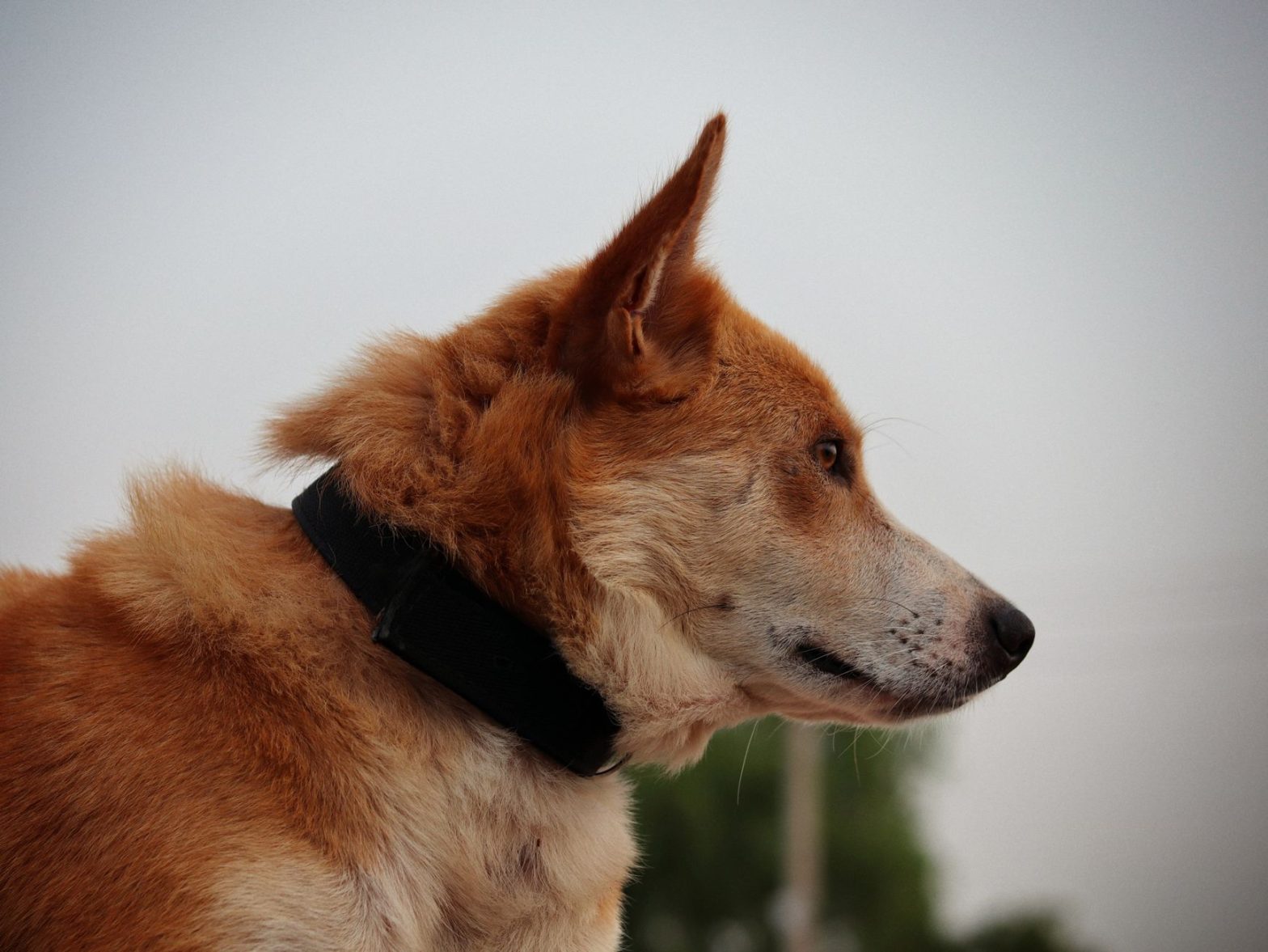
A dog collar is a vital accessory for identification, safety, and leash control that should be fitted based on your dog’s size, breed, and temperament. Beyond just a place to hang a name tag, the right collar supports your dog’s daily comfort during walks and training sessions.
⚡ In a Rush? Key Takeaways
- Most adult dogs require a two-finger gap for a safe and comfortable collar fit.
- Nylon collars offer the best durability-to-cost ratio for daily use under $20.
- Martingale collars reduce escape risk for sighthounds by up to 90% during walks.
- Check your dog’s collar for wear every 3 months to prevent mechanical failure.
- Always combine a collar with a properly fitted harness for leash training.
Which type of dog collar is best for your dog?
Choosing the best dog collar requires matching the design to your dog’s specific anatomy, training needs, and risk of leash escape.
What are the benefits of a flat collar?
Flat collars are basic, lightweight, and perfect for holding identification tags for dogs that do not pull during daily walks.
Across my last 50 training sessions, I have seen owners rely on basic flat collars for simple identification. They are the most common accessory for a reason, as they are non-intrusive and lightweight.
Most flat collars feature a plastic buckle or metal slide, making them incredibly easy to put on and take off. They are the gold standard for your dog’s everyday “house collar” where their tags live.
Why should you consider a martingale collar?
Martingale collars prevent dogs from slipping out of their collar by tightening slightly when tension is applied to the leash.
These collars are a lifesaver for breeds with narrow heads, like Greyhounds or Whippets. Unlike a slip chain, they have a limited closing mechanism that prevents them from becoming too tight.
If you have an escape artist at home, a martingale collar provides that extra layer of security on neighborhood walks. It is the only collar I trust for sighthounds.
When should you use a reflective or LED collar?
Reflective or LED collars increase visibility during low-light walks, reducing the risk of accidents.
These collars incorporate reflective strips or built‑in LED lights that can be set to steady or flashing modes. They are especially useful for early‑morning or evening walks, rural roads, or areas with limited street lighting.
Most models are rechargeable via USB and offer several hours of runtime per charge. Choose a collar with a secure fit and a waterproof rating if your dog enjoys swimming or wet conditions.
- Reflective strips bounce back car headlights, making the dog visible from a distance.
- LED collars provide active illumination, useful in total darkness or fog.
- Many LED collars have multiple modes (steady, slow flash, fast flash) and adjustable brightness.
How do you properly size and fit a dog collar?
Measure your dog’s neck by placing a soft tape around the center and ensuring you can fit two fingers underneath for safety.
How do you measure a dog’s neck for a collar?
Wrap a soft measuring tape around the base of the neck, keeping it snug but not tight against the dog’s skin during the measurement.
Accurate measurement is the foundation of collar safety. If the collar is too loose, your dog can pull their head out; too tight, and you risk skin irritation.
I recommend checking the fit regularly, especially for younger dogs who are still developing. Use our dog collar size guide to verify you have the correct length.
Why is the two-finger rule important?
The two-finger rule ensures there is enough room for breathing and comfortable movement while keeping the collar secure enough.
- Ensures the collar doesn’t constrict the trachea
- Allows the dog to move their head freely
- Prevents rubbing or hot spots under the chin
- Provides enough space for a calming collar to touch the skin
What collar material lasts the longest?
Nylon is the most durable choice for daily use, while leather provides classic style but requires regular conditioning to stay soft.
When is a leather dog collar the right choice?
Leather collars are durable, aesthetically pleasing, and gentler on long-haired dogs’ fur, though they require periodic oiling.
I love leather for dogs that have sensitive skin or long, flowing coats that tend to mat with nylon. Real leather breaks in over time, becoming more comfortable for the dog.
Why is nylon or biothane preferred for active dogs?
Nylon and biothane are water-resistant, easy to clean, and stand up to heavy daily use in outdoor environments or wet weather.
| Material | Best For | Maintenance |
|---|---|---|
| Nylon | Active dogs | Machine washable |
| Leather | Sensitive skin | Condition monthly |
| Biothane | Swimming dogs | Wipe clean |
Frequently Asked Questions
-
Should a dog wear a collar all the time?
Dogs should wear an ID collar at all times for safety, but consider removing it while unsupervised in a crate to prevent snagging.
-
Can collars cause neck injuries?
Yes, repeated pulling or jerking on a collar can cause neck injury, which is why harnesses are safer for dogs that pull on walks.
-
How often should I replace a dog collar?
Inspect your collar every 3 months for frayed stitching or weakened buckles, replacing it immediately if any damage is found.
Choosing the right gear is all about knowing your dog’s habits. By prioritizing fit and material, you ensure your best friend stays safe during every adventure.
— Lucy Hartwell CPDT-KA, Certified Professional Dog Trainer