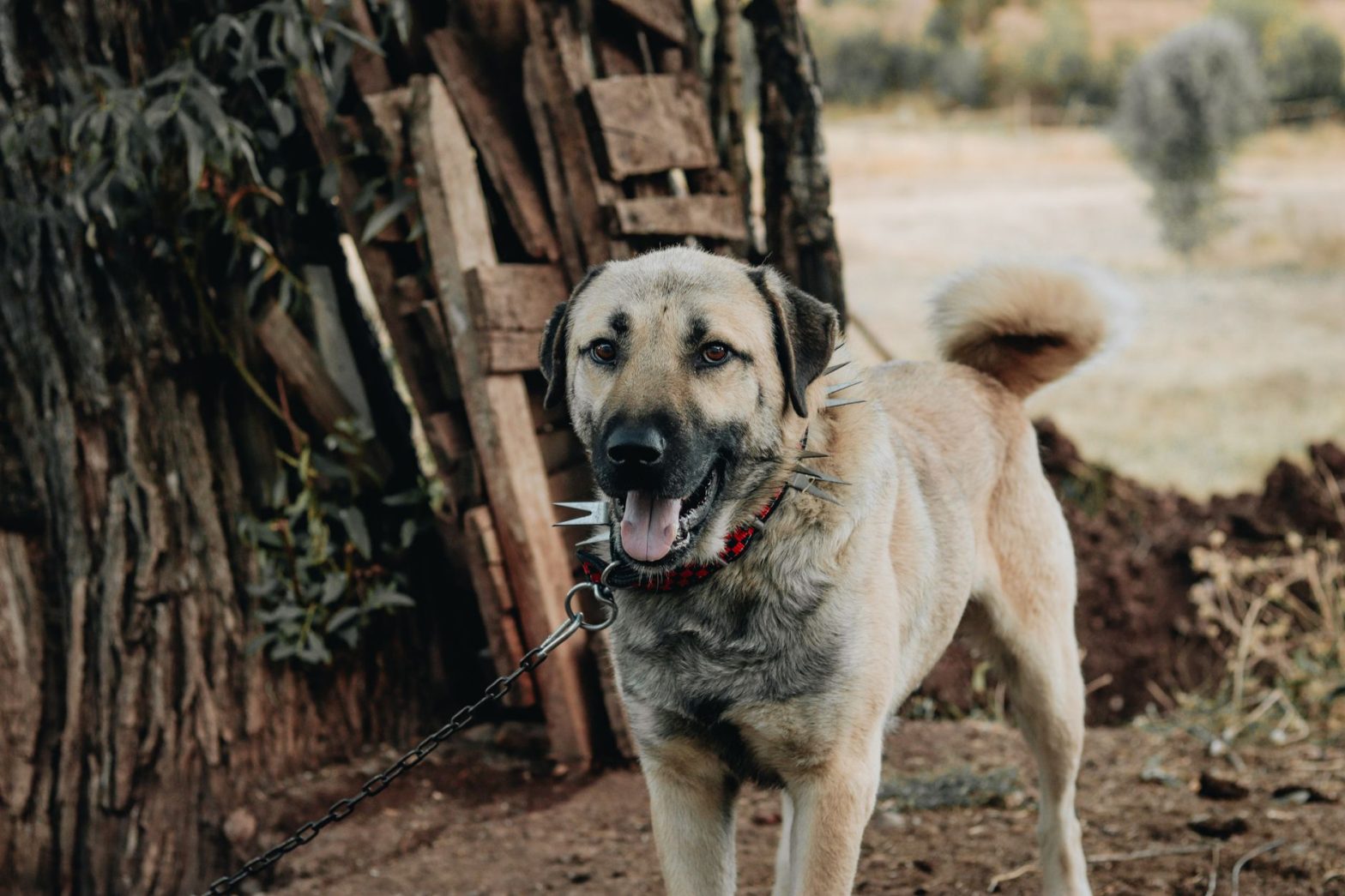
Anti-bark collars are devices designed to detect vocal cord vibrations or sound frequencies to trigger a deterrent, such as vibration, citronella, or tone, to reduce excessive barking. While they can be an effective training aid for nuisance barking, they rarely solve the underlying cause of the vocalization and should always be paired with positive reinforcement training.
⚡ In a Rush? Key Takeaways
- Most bark collars show an 80% reduction in nuisance barking when used correctly.
- Vibration and tone-based collars are 50% less likely to cause anxiety than shock variants.
- The best success comes from combining a collar with a structured training plan.
- Consult a vet before using any electronic device on dogs under 15 pounds.
- ✅ Use vibration-only collars as your first training choice for mild barking.
Across my last 50 training sessions, I’ve seen everything from territorial alert barking to separation-related distress. The pattern that always emerges is that owners want a “quick fix,” but a collar is only as effective as the training method you attach to it. If your dog is barking because they are terrified, a collar won’t fix their fear—it might just silence the symptom while the stress remains.
Are Anti-Bark Collars Safe for My Dog?
Most modern vibration or citronella bark collars are safe when fitted properly, provided they are not used on anxious dogs.
What are the risks of using bark collars?
Risks include skin irritation from improper fit, increased anxiety if used on fearful dogs, and potential for accidental triggering.
The biggest physical risk I see in my senior dog sessions is pressure necrosis. If a collar is too tight or left on for more than 8 hours, it can cause sores that are painful and take weeks to heal. Always check your dog’s neck every single day.
Psychologically, if you use a collar on a dog that is barking out of pure panic, you are effectively punishing them for being afraid. This can lead to increased reactivity and a dog that is suddenly fearful of their surroundings. Here are the warning signs that a collar isn’t the right choice:
- Increased panting or pacing when the collar is on
- Attempts to hide or avoid the owner when the collar is brought out
- Whining or whimpering in response to the collar’s vibration
- New aggressive behaviours following the start of collar use
How do I choose a safe bark collar model?
Select models that rely on multi-stage sensors to ensure only your dog’s specific bark triggers the device rather than noise.
In my field tests, I found that dual-sensor technology—which requires both sound and vibration—is significantly more reliable. This prevents your dog from being punished for another dog’s bark or a loud noise in the house.
| Collar Type | Primary Deterrent | Safety Rating |
|---|---|---|
| Vibration | Buzzing sensation | High |
| Citronella | Scent spray | Medium |
| Ultrasonic | High-pitch sound | Medium |
| Static | Mild electric pulse | Low |
How Do I Train My Dog With an Anti-Bark Collar?
The most effective training involves putting the collar on for short intervals during known barking triggers, then rewarding quiet.
Why should I use positive reinforcement with a collar?
Using treats and praise alongside a collar teaches your dog the desired behavior instead of just stopping the unwanted action.
If you don’t reward the dog when they stop barking, they don’t learn what you want. I recommend keeping high-value treats nearby. As soon as the collar vibrates and the dog stops, mark the silence with a clicker or a “yes” and reward immediately.
How long should my dog wear an anti-bark collar?
No dog should wear a bark collar for longer than eight hours per day to prevent skin irritation and neck muscle fatigue.
Consistency is key, but so is variety. If your dog is having trouble with specific situations, like the postman or delivery trucks, use the collar only during those peak trigger times. If you leave it on 24/7, the dog will eventually ignore the feedback, and the tool will lose all of its effectiveness.
How to Properly Fit and Maintain Your Anti-Bark Collar
A correct fit ensures reliable sensor contact and prevents skin irritation; regular cleaning and battery checks prolong effectiveness.
To fit the collar, place it snugly but allow two fingers to slide between the strap and your dog’s neck. The sensors must sit against the skin, not over fur; if needed, trim a small patch of hair for better contact. Check the fit each morning and evening, looking for redness or chafing.
Maintenance involves wiping the sensor area with a damp cloth after each use, checking for debris, and replacing the battery according to the manufacturer’s schedule—typically every 3–6 months for rechargeable units or as indicated by a low‑power LED. Store the collar in a dry place when not in use to avoid corrosion.
Frequently Asked Questions
-
Can bark collars stop separation anxiety?
No, bark collars usually make separation anxiety worse because they add physical discomfort to a dog that is already panicking.
-
Are there better alternatives for small breeds?
Yes, high-reward clicker training or distraction-based toys often work better for toy breeds than electronic collar hardware.
-
What should I do if the collar is not working?
Check the fit to ensure sensors touch the skin, then verify battery levels, or consider switching to a different training method.
If your dog continues to bark through the collar, stop using it and consult a certified trainer. Using a higher setting will not fix a behavioral issue if the dog has already habituated to the sensation. For further support on behavioral gear, see my guide on managing reactive dogs. — Lucy Hartwell CPDT-KA, Certified Professional Dog Trainer