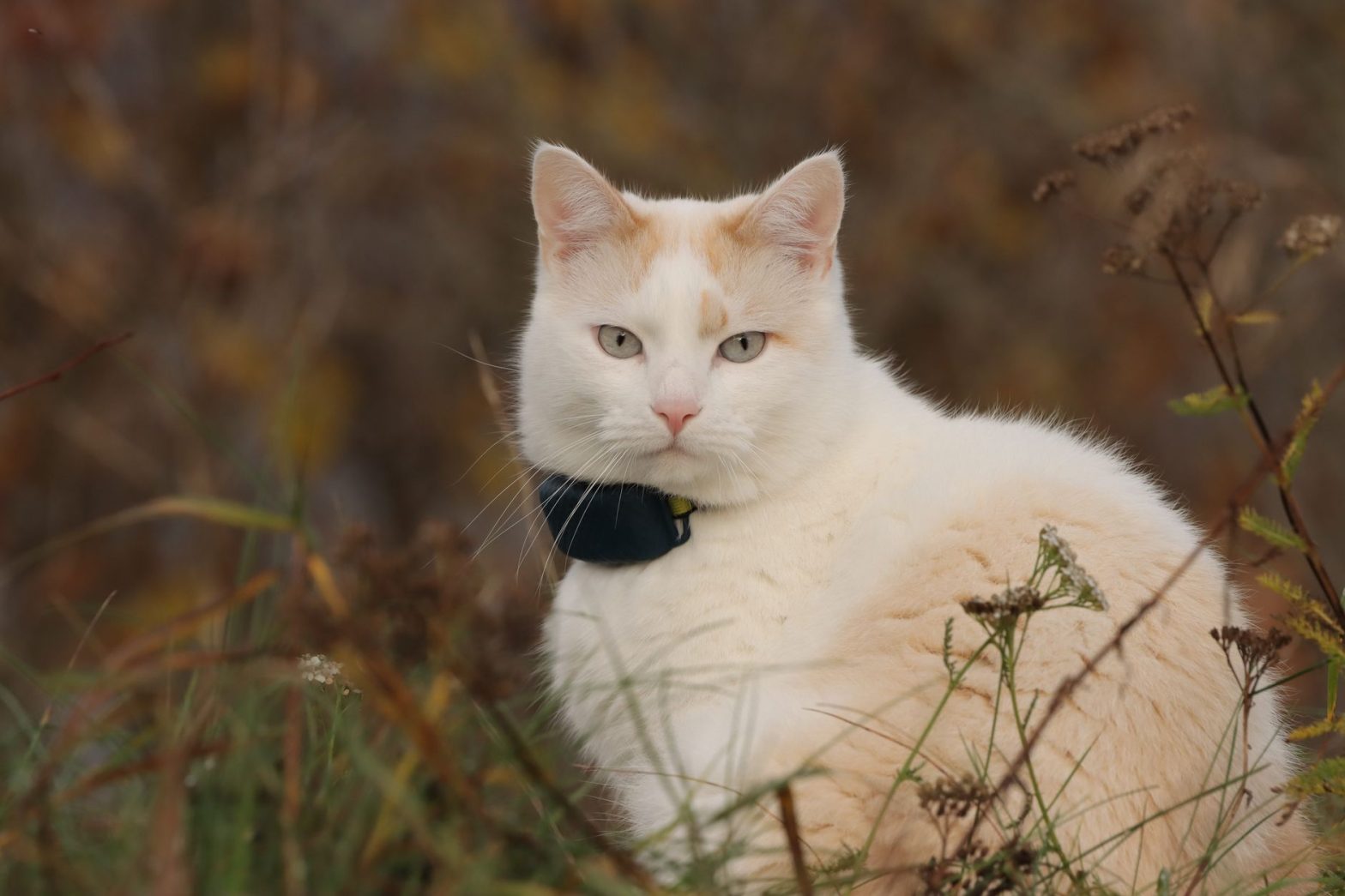
Cat GPS trackers use cellular, Bluetooth, or radio frequency technology to provide real-time location data, helping you find your cat if they wander away from home. These devices attach to a collar, allowing you to monitor your cat’s whereabouts directly through a smartphone app.
⚡ In a Rush? Key Takeaways
- GPS trackers using cellular networks provide unlimited range compared to 300-foot Bluetooth limits.
- Battery life varies significantly, typically lasting between 2 and 7 days on a single charge.
- Device weight is critical; cats under 8 pounds often find units over 35 grams too cumbersome.
- Active subscription plans for cellular trackers cost between $5 and $12 monthly for service.
- The Tractive GPS CAT remains my top recommendation for accuracy and reliability in 2026.
How Do GPS Trackers for Cats Actually Work?
Cat trackers use GPS satellites to pinpoint location and cellular networks to send that data to an app on your smartphone in real time.
What is the difference between GPS and Bluetooth trackers?
GPS trackers provide global tracking range via cell networks while Bluetooth devices only work within 300 feet of your own mobile phone.
If your cat is an explorer, the limited range of a Bluetooth tag will likely disappoint you. While they are lighter and cheaper, they won’t help if your cat ventures three streets over.
Cellular GPS trackers, on the other hand, function anywhere with mobile coverage. This makes them the only reliable choice for true outdoor safety and recovery.
Do GPS trackers really require a monthly subscription?
Most cellular GPS trackers require a monthly subscription plan to cover the data costs for transmitting location updates to your phone.
You are essentially paying for a small mobile phone plan for your cat. Without this data service, the device cannot communicate with the satellite network or your mobile device.
- Basic plans cover location tracking updates
- Premium tiers often add historical activity data
- No-contract plans are available for seasonal users
- Subscription costs typically range from $60 to $120 yearly
Which GPS Tracker Is Best for Small Cats?
The best GPS trackers for small cats weigh under 30 grams and feature contoured designs to prevent interference with natural feline movement.
Why does the weight of a tracker matter for my cat?
Excessive weight on a cat collar causes neck strain and discomfort which often leads to the cat attempting to remove the device entirely.
I have worked with many pet owners who found their cats were lethargic because the tracker was simply too heavy. A good rule of thumb is that the device should be less than 5% of your cat’s total body weight.
How can I ensure the tracker fits my cat comfortably?
Use a breakaway collar with a secure attachment sleeve to ensure the tracker stays centered without risking the cat getting caught on trees.
When fitting the tracker, ensure there is enough room for two fingers between the collar and the neck. If your cat is an aging senior, pay extra attention to comfort, as they may be more sensitive to added bulk.
Are GPS Trackers Safe for Indoor-Outdoor Cats?
GPS trackers are safe for outdoor cats when paired with a quality breakaway collar to prevent choking risks during climbing or exploration.
Do these devices interfere with my cat’s behavior?
Most modern feline GPS trackers are unobtrusive, though some cats may take a few days to adjust to the slight change in collar weight.
some cats are sensitive to the slight beeping sounds these devices make when initiating a search. This is rarely a long-term issue, but indoor enrichment can help distract them during the initial adjustment period.
What should I do if the tracker stops sending updates?
Check the cellular signal strength in your area and ensure the battery is charged, as connection drops are usually due to network coverage.
If you live in a rural area with poor cellular reception, you may experience signal gaps. Always ensure your cat is microchipped as a primary, permanent form of identification, as the tracker is a secondary recovery tool.
Frequently Asked Questions
-
Can a GPS tracker replace a microchip?
No, a GPS tracker is a recovery tool for you, while a microchip is a permanent, non-electronic identification system for shelters to scan.
-
Will my cat be able to swim with a GPS tracker?
Most high-end cat GPS trackers are IP67 waterproof, meaning they can handle rain and brief submersion, but they are not for swimming.
-
How accurate are cat GPS trackers in dense cities?
GPS accuracy in urban areas is usually within 10 feet, though “urban canyons” between tall buildings can sometimes affect precision.
-
Can I track multiple cats with one device?
Most apps allow you to manage multiple cat profiles, but each cat must wear its own individual GPS device to be tracked separately.
Managing a multi-cat household requires careful planning. If you are struggling with resources, prioritizing the most adventurous cat for a tracker is a common strategy.
Advanced Features: Geofencing, Activity Monitoring, and Health Insights
What advanced features do modern cat GPS trackers offer?
Many trackers now include geofencing safe‑zone alerts, activity‑level tracking, and basic health insights such as rest periods.
Geofencing lets you define a virtual boundary around your home or yard; if your cat leaves the area, the app sends an instant push notification, giving you a chance to act before they wander too far.
Activity monitoring records steps, distance traveled, and active vs. resting time, which can help you notice changes in behavior that might indicate illness or stress. Some models also log temperature exposure or provide a LED flashlight for night walks.