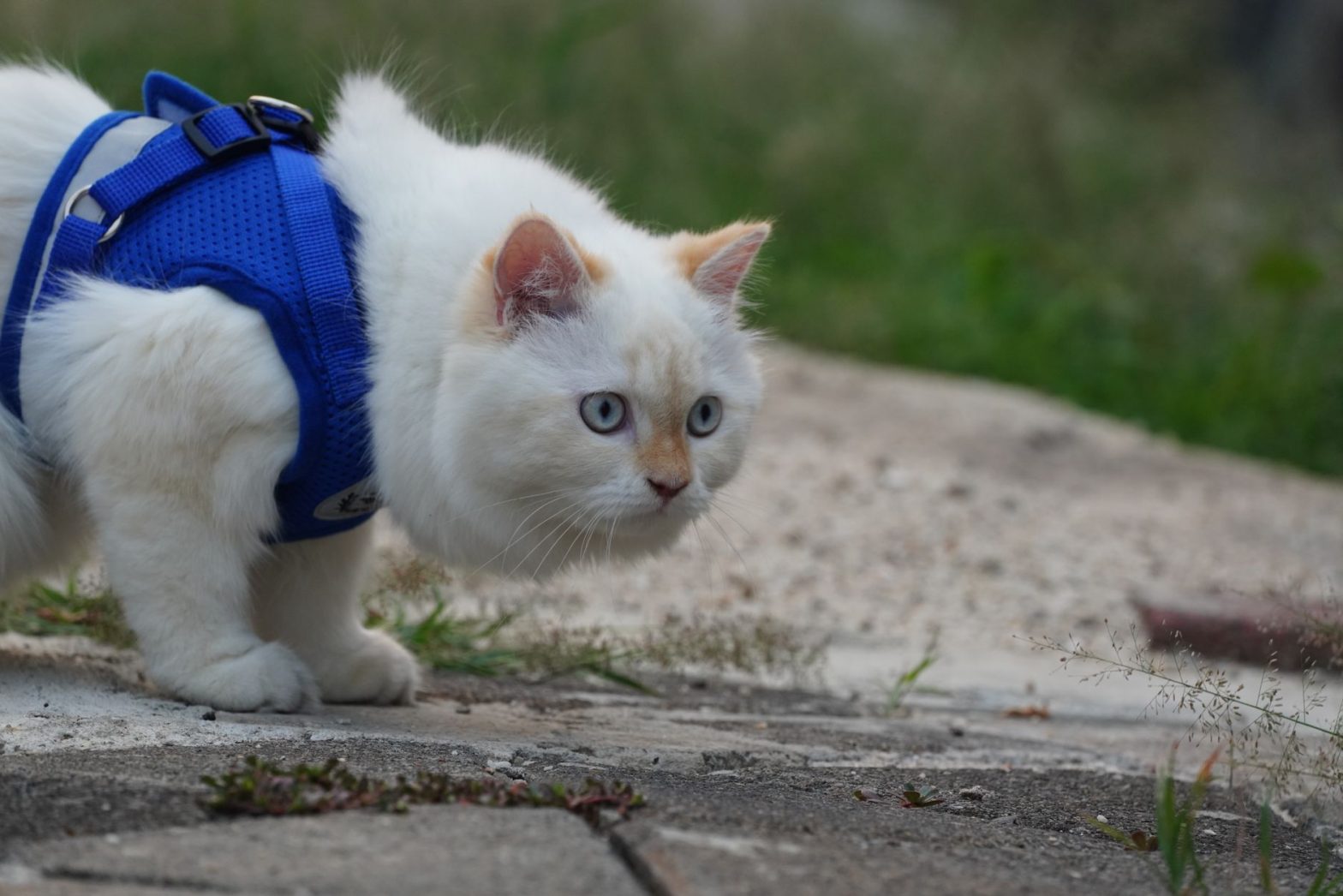
Cat safety gear includes GPS trackers, break-away collars, and secure harnesses designed to prevent accidental loss or injury while allowing your cat to explore safely. These tools provide essential layers of protection for both indoor-outdoor cats and indoor-only companions who may accidentally slip out.
⚡ In a Rush? Key Takeaways
- GPS trackers for cats have improved battery life, now averaging 4–7 days per charge.
- Always choose collars with a break-away clasp to prevent choking accidents on branches.
- Over 80% of cat escapees are found within a 5-house radius using active GPS tracking.
- Standard cat harnesses must be fitted specifically for a feline’s flexible ribcage.
- ✅ Best overall safety setup: A microchip, a break-away collar, and a lightweight GPS unit.
Which Cat Safety Gear Is Essential for Every Household?
Every cat owner needs a microchip, a high-visibility break-away collar, and a sturdy carrier to ensure basic safety and easy recovery.
Do All Indoor Cats Need Identification?
Indoor cats require permanent microchip identification because collar tags can snag or fall off during an unexpected escape event.
Many owners assume indoor cats are perfectly safe, but an open door or a repair worker’s visit can lead to a quick exit. A microchip acts as your cat’s permanent return address, readable by any shelter or vet.
Beyond the chip, having a backup plan is vital. My senior cat resources highlight why older pets are even more vulnerable if they wander off and become confused.
Why Must Cat Collars Be Break-Away?
Break-away collars are designed to snap open under 5 pounds of pressure to ensure your cat does not hang from fences or branches.
Standard collars are dangerous for agile cats who love to climb. If the collar catches on a tree limb, the cat needs a way to escape it immediately to avoid choking.
- Snaps open under low tension
- Often features reflective material for night visibility
- Allows for bells or ID tags
Should I Use Reflective or LED Gear for Nighttime Safety?
Reflective collars, LED lights, and glow-in-the-dark tags greatly increase a cat’s visibility after dark, reducing the risk of vehicle collisions and helping owners locate them quickly.
These visibility aids work passively (reflective materials that bounce back headlights) or actively (small LED units that flash or glow). For cats that venture outdoors at dusk or dawn, attaching a lightweight LED tag to the break-away collar can make the difference between being seen and being missed by drivers.
When choosing nighttime gear, prioritize comfort and security: the device should weigh less than 5 grams, have a flexible silicone or nylon strap, and be waterproof enough to survive rain or dew. Test the fit during the day to ensure it does not irritate the skin or interfere with the collar’s break-away function.
How Do GPS Trackers Work for Cats?
GPS trackers use cellular networks or Bluetooth to send real-time location data to your phone, helping you find a lost pet quickly.
Is a GPS Tracker Too Heavy for My Cat?
Modern cat-specific GPS trackers weigh less than 30 grams and are designed to fit comfortably on standard feline collar widths.
Weight is the primary concern for most owners. I always check for devices under 30g, as anything heavier can cause neck strain or interfere with a cat’s natural jumping gait.
When choosing trackers, consider these factors:
| Feature | Why It Matters |
|---|---|
| Battery Life | Prevents you from searching for a dead device |
| Waterproofing | Essential for outdoor exploration |
| Range | Determines if you need cellular signal |
How Accurate Are Cellular GPS Units?
Cellular GPS units provide accuracy within 2 to 10 meters, making it easy to find a cat hiding under a deck or in thick brush.
Accuracy depends largely on how often the device syncs with satellites. For cat travel and outdoor adventures, these devices are a game changer compared to old radio-frequency units.
What Are the Best Safety Tools for Cat Travel?
Cat travel safety requires airline-approved carriers, harness training gear, and window covers to prevent accidental escape attempts.
How Do I Choose a Secure Cat Carrier?
A secure carrier must have metal door latches, solid ventilation, and a size that allows the cat to stand and turn around easily.
Carriers are the most important piece of travel equipment. If the door isn’t secure, the carrier becomes a safety hazard rather than a solution.
Can I Use a Harness on My Cat?
Cat harnesses must be H-style or vest-style to prevent the cat from wiggling out, and they should be used in enclosed areas first.
Harness training is a slow process. Never force a cat into a harness, as it will create negative associations. Check out our guide on enrichment tools to see how to build comfort with new gear.
Frequently Asked Questions
-
Are air tags good for tracking cats?
AirTags use crowd-sourced Bluetooth networks rather than active GPS, so they only work when another iPhone happens to be nearby.
-
How often should I check my cat’s collar fit?
Check your cat’s collar fit every two weeks, ensuring you can comfortably fit two fingers between the collar and the neck.
-
What if my cat is microchipped?
A microchip is a permanent database record for identification, but it does not provide real-time location tracking for a lost cat.
Ensuring your cat’s safety gear is properly maintained is an ongoing job. By combining permanent identification with active tracking, you provide the best possible security for your feline companion.
— Lucy Hartwell CPDT-KA, Certified Professional Dog Trainer