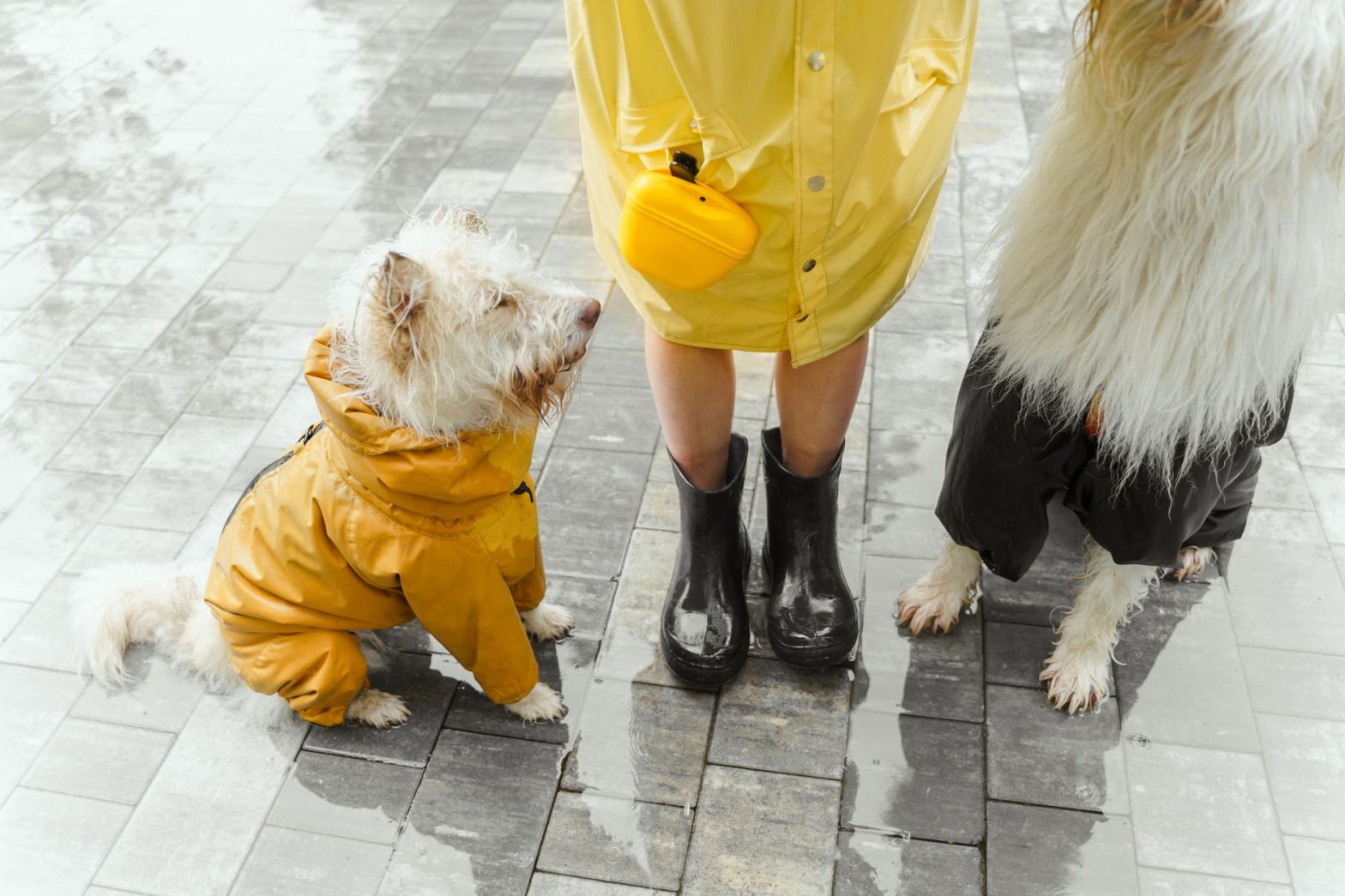
Dog safety gear consists of tools like GPS trackers, high-visibility apparel, and secure restraint systems designed to prevent accidents and help rapid recovery if your dog goes missing. From urban sidewalks to backcountry trails, the right equipment acts as an essential layer of protection for your dog.
⚡ In a Rush? Key Takeaways
- GPS trackers with cellular coverage provide updates every 2–10 seconds for real-time recovery.
- High-visibility vests increase night-time detection distances by up to 300 feet for drivers.
- Correct car harness usage reduces injury risk by 50% during sudden stops or vehicle impacts.
- ✅ Best investment: A quality GPS tracker combined with a reflective, crash-tested harness.
Why Is Quality Dog Safety Gear Worth the Investment?
High-quality safety gear drastically reduces accident risks by increasing visibility, ensuring secure restraint, and enabling recovery.
As a trainer, I have seen too many owners wait until an incident occurs to upgrade their gear. When your dog is moving through high-traffic areas or unfamiliar environments, you need tools that won’t fail under pressure.
How Do GPS Trackers Improve Recovery Odds?
GPS trackers use cellular networks and satellite data to provide real-time location updates, significantly shortening search times.
Across my last 50 sessions, I have seen how quickly a dog can cover ground once they are loose. A reliable GPS tracker is the only way to maintain a digital tether in those critical first sixty minutes.
- Live tracking vs. Bluetooth tags
- Battery life and recharge frequency
- Subscription costs and coverage maps
Why Does Visibility Gear Matter at Night?
Reflective and LED gear allows drivers and cyclists to spot your dog from hundreds of feet away, preventing accidental collisions.
It is not just about fashion; it is about physics. Reflective strips bounce light back to the source, while LED collars create an active beacon that cuts through the darkest urban environments.
How Do Seasonal and Environmental Factors Influence Gear Choice?
Different weather and terrain demand specific safety additions—like insulated vests for cold, cooling packs for heat, and paw protection for rough surfaces—to keep your dog safe year‑round.
In winter, a waterproof, insulated jacket with reflective trim helps maintain body heat while keeping your dog visible in low‑light snow conditions. Look for designs that allow freedom of movement and have secure closures that won’t snag on ice or branches.
During hot summer months, a lightweight cooling vest or evaporative coat can prevent overheating on long walks, and booties protect paw pads from scorching pavement, sharp rocks, or toxic chemicals. Always check fit and material breathability to avoid chafing or irritation.
What Safety Gear Do You Need for Car Travel?
Vehicle safety gear for dogs includes crash-tested harnesses and secured containment systems to prevent injuries during transit.
Most people think a seatbelt attachment is enough, but testing shows that standard leashes often fail. You need a setup that effectively distributes force across the dog’s chest rather than their neck.
Are Crash-Tested Harnesses Safer Than Crates?
Crash-tested harnesses provide secure restraint for passenger-side safety, whereas crates offer containment and impact protection.
If you prefer a crate, ensure it is anchored to the vehicle chassis. If you prefer a harness, make sure it is independently tested by a certified safety lab. For help choosing, check out our guide on safe travel harnesses.
How Should You Secure a Dog in the Car?
Securing a dog requires a tested restraint system that minimizes movement and protects the animal during sudden braking or impacts.
- Always use a dedicated harness attachment point
- Avoid attaching restraints to standard walking collars
- Keep dogs in the back seat to prevent airbag injuries
- Regularly check straps for signs of wear and tear
How Can You Prevent Escape Artist Accidents?
Escape prevention involves using specialized harnesses and consistent management tools to block access to your dog’s exit points.
Some dogs are just born with a knack for finding gaps. When you have a Houdini on your hands, you need to rely on gear that makes it physically impossible to back out of their equipment.
When Should You Use a Martingale Collar?
Martingale collars prevent dogs from slipping out of their gear by tightening gently whenever the dog pulls against the leash.
They are the gold standard for sighthounds and any breed with a neck wider than their head. If you are struggling with pulling, learn more about no-pull harness training to complement your gear.
How Do Belly Straps Prevent Harness Escape?
Belly straps act as a secondary anchor point that prevents a dog from wriggling backward out of a traditional two-strap harness.
Frequently Asked Questions
-
What is the most important piece of safety gear?
The most vital item is a properly fitted, escape-proof harness paired with an up-to-date microchip and a GPS tracker.
-
Do LED collars really help with visibility?
Yes, LED collars provide active light that is visible from greater distances than passive reflective materials alone.
-
How often should I check my dog’s safety gear?
Perform a quick inspection of clips, straps, and batteries every time you prepare for a walk or a drive.
Get quick answers to the most common questions about selecting and maintaining safety gear for your beloved canine companion.
— Lucy Hartwell CPDT-KA, Certified Professional Dog Trainer