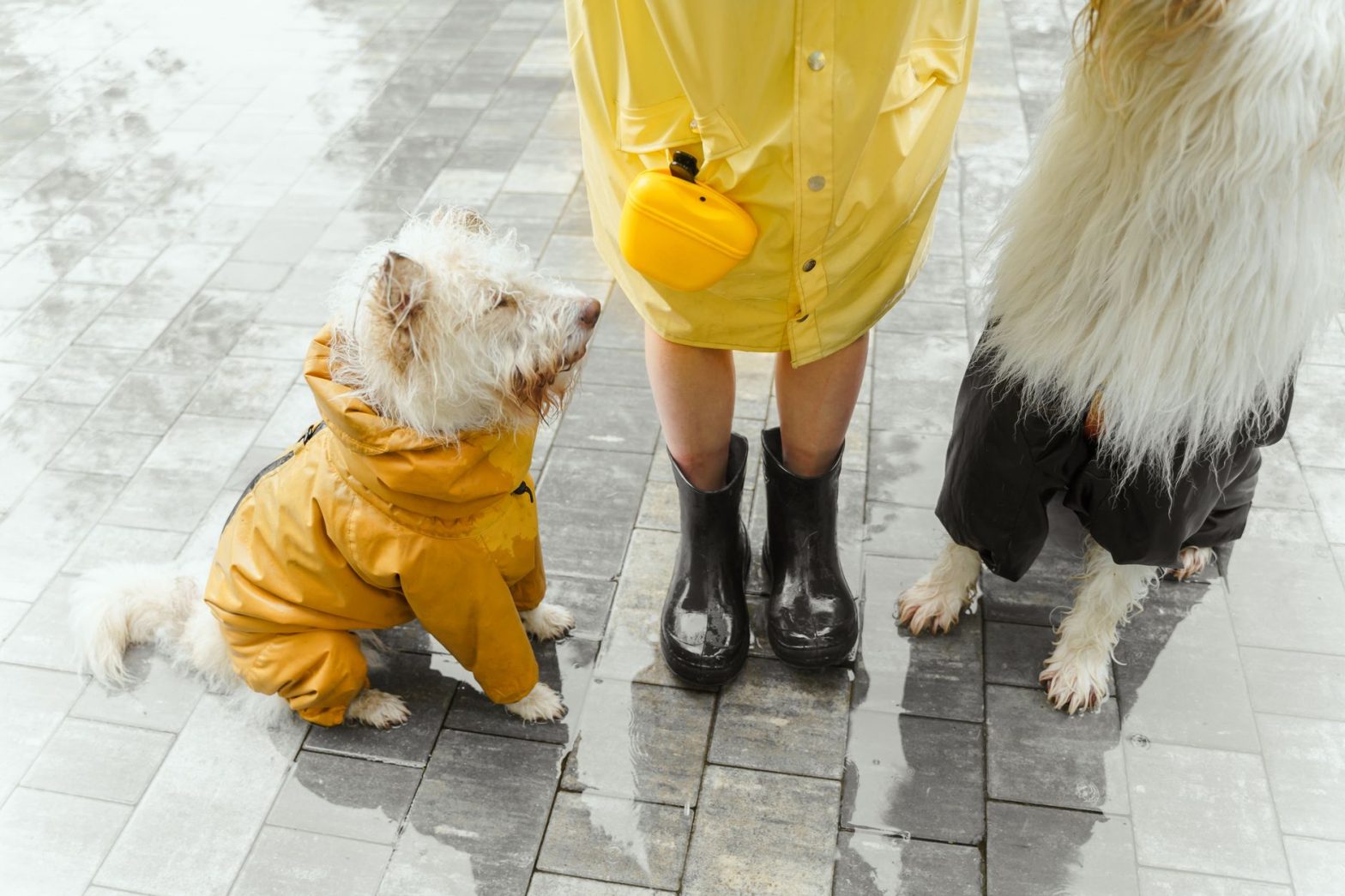
Dog safety gear includes any accessory or tool designed to prevent loss, injury, or accidents, ranging from GPS tracking collars to specialized car restraints and high-visibility apparel. Having the right equipment tailored to your dog’s specific lifestyle—whether you are a city dweller or an avid hiker—significantly reduces the risks faced during daily outings.
⚡ In a Rush? Key Takeaways
- GPS trackers can reduce recovery time by 90% in escape scenarios.
- Reflective gear makes dogs visible to drivers from up to 500 feet away.
- Proper car harnesses reduce injury risk by 75% during sudden stops.
- A combination of microchips and GPS is the safest recovery protocol.
- Always pair safety tools with consistent training for the best outcomes.
What Types of Dog Safety Gear Are Essential?
Essential safety gear includes GPS trackers, reflective harnesses, car restraint systems, and identification tags for every active dog.
Across my last 50 training sessions, I’ve seen firsthand how the right gear acts as a safety net. Whether you are dealing with a flighty rescue or a high-energy pup, investing in the correct equipment is about peace of mind.
Which GPS Tracker Best Prevents Dog Loss?
GPS trackers like Fi or Tractive provide real-time location data that significantly shortens the time a missing dog spends alone.
A GPS tracker is an active recovery tool, not a prevention device. You want a tracker with cellular coverage that matches your common travel areas to ensure you never lose the signal.
- Check battery life longevity for long-distance hikes.
- Prioritize real-time tracking updates over battery saving modes.
- Ensure the device weight is appropriate for your dog’s size.
- Review monthly subscription costs before committing to a brand.
Why Use Reflective Gear for Evening Walks?
Reflective collars, leashes, and vests dramatically improve visibility to motorists during low-light conditions and evening walks.
Most accidents involving dogs at night happen because drivers simply do not see them until it is too late. Reflective materials bounce back light from headlights, giving drivers more time to react.
Are Car Restraints Really Necessary for Dogs?
Car restraints, such as seat-belt buckles or crash-tested harnesses, prevent injury during sudden stops and reduce driver distraction.
Unrestrained dogs can become projectiles in the event of an accident. Using a dog car harness is one of the most effective ways to keep your dog anchored safely.
How Do You Select Safety Gear for Your Specific Dog?
Safety gear selection depends on your dog’s size, age, temperament, and daily activity patterns during walks or travel.
Not every gadget is right for every dog. A heavy-duty harness designed for a working German Shepherd will be far too bulky for a small terrier, potentially causing discomfort or gait changes.
Should You Use a Harness for Reactive Dogs?
Reactive dogs benefit from front-clip harnesses that allow handlers to maintain physical control without causing neck injuries.
If you have a dog that pulls, exploring no-pull dog harnesses is a smart move. They help redirect your dog’s momentum toward you rather than away from you.
How Do You Fit Safety Gear Correctly?
Proper fit involves checking for a two-finger gap under straps and ensuring no restriction in the dog’s shoulder range of motion.
Always test your gear while the dog is in motion, not just standing still. A harness that feels tight only when the dog trots needs adjustment to prevent long-term shoulder strain.
Is Identification Just About a Tag?
Identification protocols should combine a collar tag with contact info, a microchip, and an active GPS tracking device for redundancy.
- Engrave tags with your current mobile phone number.
- Ensure microchip registration information is updated annually.
- Attach a digital QR code tag for quick scanning by neighbors.
- Use a backup leash and collar setup if your dog is an escape artist.
What Are the Most Common Safety Gear Failures?
Common failures include mechanical breakage of plastic clips, dead tracker batteries, and improper sizing leading to dog escape.
We often trust our gear too implicitly. Regular maintenance and inspection of your escape-proof harnesses are vital to catch wear and tear before a failure occurs.
How Often Should You Inspect Safety Gear?
Inspect all clips, stitching, and leash connections for signs of fraying or fatigue at least once a month for heavy-duty users.
| Gear Type | Inspection Frequency | Key Wear Spot |
|---|---|---|
| Harnesses | Monthly | Chest strap buckles |
| Leashes | Weekly | Bolt snap spring |
| GPS Collars | Daily | Charging port/seals |
Why Do Plastic Buckles Fail on Harnesses?
Plastic buckles can become brittle over time due to UV exposure or extreme temperatures, leading to sudden snaps during high tension.
For dogs that exert a lot of force, metal hardware is always the more durable option. If your harness relies heavily on plastic, watch for any signs of whitening or stress marks.
Frequently Asked Questions
-
Can a GPS tracker be used as a training tool?
GPS trackers are designed for location recovery, not training; use positive reinforcement for obedience and recall instead.
-
Are light-up collars better than reflective gear?
Light-up collars provide active illumination, while reflective gear is better for passive visibility when hit by car headlights.
-
What is the most common safety gear mistake?
The most common mistake is failing to check equipment fit regularly as the dog ages or gains muscle mass through activities.
— Lucy Hartwell CPDT-KA, Certified Professional Dog Trainer